W. Westcott
W. Westcott was a co-founder of the Hermetic Order of the Golden Dawn, a major influence on Western occultism.
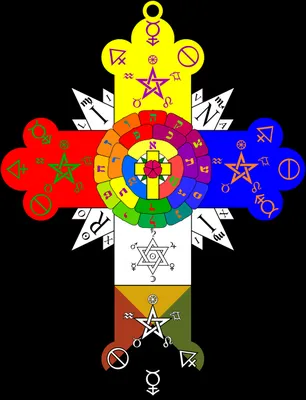
William Wynn Westcott was a pivotal figure in the establishment of the Hermetic Order of the Golden Dawn, a significant secret society within the Western esoteric tradition. Active in the late 19th and early 20th centuries, the Order drew heavily from Rosicrucianism and Freemasonry, focusing on the study and practice of Hermeticism, metaphysics, and occultism. Westcott, along with William Robert Woodman and Samuel Liddell Mathers, were Freemasons and members of the Societas Rosicruciana in Anglia. Westcott is considered to have been the initial driving force behind the Golden Dawn's creation. The Order's system was structured hierarchically through initiatory grades, and notably, it admitted women on equal terms with men, a departure from some contemporary fraternal organizations.
The foundational elements of the Golden Dawn stemmed from the "Cipher Manuscripts," which Westcott decoded. These documents outlined the Order's grade rituals and a curriculum encompassing Hermetic Qabalah, astrology, tarot, geomancy, and alchemy. Westcott, after decoding the manuscripts, collaborated with Mathers and Woodman to develop these into a practical system for lodge work. Westcott also initiated contact with a German Rosicrucian, Anna Sprengel, who allegedly granted permission to establish the Order's first temple, the Isis-Urania Temple in London, founded in 1888. While the First Order focused on esoteric philosophy and personal development, a Second Order, the Rosae Rubeae et Aureae Crucis, was later established to teach magic, including scrying and astral travel. Westcott eventually broke ties with the Order around 1896 or 1897, leaving Mathers in charge.
Founding and Early Structure
William Wynn Westcott was instrumental in the formation of the Hermetic Order of the Golden Dawn, a prominent secret society rooted in Western esoteric traditions. Alongside William Robert Woodman and Samuel Liddell Mathers, Westcott, a Freemason and member of the Societas Rosicruciana in Anglia (SRIA), initiated the creation of this magical order. Westcott is recognized as the primary instigator of the Golden Dawn. The Order's organizational structure was based on a system of hierarchy and initiation, similar to Masonic lodges, but it distinguished itself by admitting women to participate equally with men. The teachings of the First Order, also known as the Outer Order, were centered on esoteric philosophy derived from the Hermetic Qabalah, alongside personal growth through the study of the four classical elements, astrology, tarot divination, and geomancy.
The Cipher Manuscripts and Initiation
The genesis of the Golden Dawn's teachings lies in the "Cipher Manuscripts," documents written in a cipher that Westcott successfully decoded. These manuscripts provided the blueprint for the Order's grade rituals and established a curriculum focused on Hermetic Qabalah, astrology, occult tarot, geomancy, and alchemy. Upon deciphering the manuscripts, Westcott enlisted the help of Samuel Liddell MacGregor Mathers and William Robert Woodman to transform the material into a functional system for lodge activities. Westcott also claimed to have received authorization from a German Rosicrucian named Anna Sprengel to establish a temple. This led to the founding of the Isis-Urania Temple in London in 1888. The early years of the Order emphasized philosophical and metaphysical instruction, with "magical practices" not being a primary focus in the initial temple.
Later Developments and Westcott's Departure
Following the initial establishment, the Golden Dawn expanded, with additional temples founded in various locations. A Second Order, the Ordo Rosae Rubeae et Aureae Crucis (RR et AC), was formalized in 1892 to delve into magical practices, including scrying and astral travel, for adepts who had completed the First Order's curriculum. The concept of "Secret Chiefs" played a role, with Mathers eventually claiming to have established a link to them, supplying rituals for the Second Order. However, by 1896 or 1897, Westcott withdrew from all involvement with the Golden Dawn. Speculation suggests his departure may have been prompted by the discovery of occult papers, potentially compromising his professional position as a coroner. Following Westcott's exit, Mathers assumed sole leadership of the active founding members, though his authority later faced challenges from within the Order.
Key Ideas
- Hermetic Qabalah
- Rosicrucianism
- Freemasonry
- Theurgy
- Spiritual Development
- Occult Hermeticism
- Metaphysics
- Astrology
- Tarot Divination
- Geomancy
- Alchemy
- Scrying
- Astral Travel
Books by W. Westcott
0 free public domain books · Read online or download