Tom F. Driver
Tom F. Driver was a theologian and scholar known for exploring the intersection of theology, theater, and ritual studies.
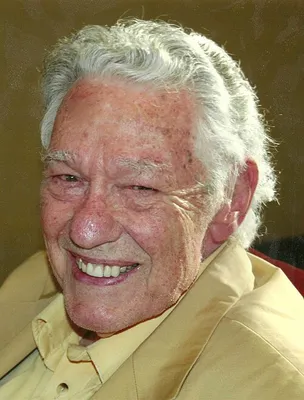
Tom Faw Driver (1925–2021) was a theologian, preacher, author, and peace activist whose work frequently examined the connections between religious thought, theatrical performance, and ritual practices. His academic career, which spanned theology and theater studies, led him to explore the symbolic actions found in both religious and dramatic contexts. Driver's interest in these areas culminated in significant publications that not only analyzed ritual but also advocated for its transformative power in personal and communal life. He was also deeply committed to peace and justice, with his activism against war and militarism influencing his scholarly pursuits and post-retirement projects. Driver's life was marked by a dedication to understanding and promoting nonviolent resistance and human rights, often in collaboration with his wife, historian Anne L. Barstow.
Early Life and Influences
Born in Johnson City, Tennessee, in 1925, Tom F. Driver developed an early interest in both church and theater. His experiences during World War II, serving in the Corps of Engineers in Europe, profoundly shaped his lifelong opposition to war and militarism. Upon his return and discharge in 1946, these experiences, combined with his involvement in the United Methodist Church youth movement, solidified his commitment to peace and justice. His academic journey began at Duke University, where he engaged with theological studies and joined organizations like the World Federalists Movement and the Fellowship of Reconciliation, further developing his understanding of theology as a foundation for peace.
Academic Career and Interdisciplinary Studies
Driver pursued advanced studies at Union Theological Seminary and Columbia University, earning doctorates in both theology and theater. This dual expertise allowed him to bridge disciplines, leading to his influential work in religious drama and theater criticism. He played a key role in establishing a Program in Religious Drama at Union Theological Seminary and served as the first theater critic for The Christian Century, gaining national recognition. His academic pursuits also included extensive writing and lecturing on theology, theater, and literature, often exploring avant-garde and participatory forms of theater.
Theology, Ritual, and Transformative Practice
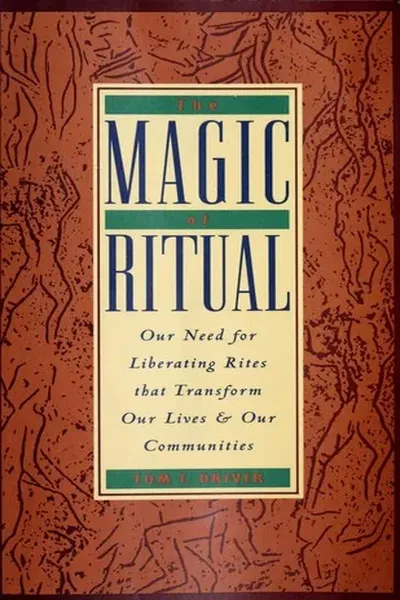
Driver's scholarly focus increasingly turned to ritual studies, recognizing the shared ground between religious and theatrical performance as symbolic, public acts. He co-founded the Ritual Studies Group of the American Academy of Religion, contributing to the formalization of this field in academic settings. His research into ritual led him to conduct fieldwork, notably in Papua New Guinea and Haiti, where he studied the ritual life of Vodou. These explorations informed his seminal works on ritual, which explored its capacity not only to preserve societal norms but also to serve as a catalyst for profound personal and communal transformation.
Activism and Legacy
Throughout his life, Tom F. Driver was a dedicated peace activist, advocating for nonviolent resistance and condemning war. His commitment extended beyond his academic work, influencing his post-retirement projects focused on peace, justice, and human rights in Haiti and Colombia. He directed documentary films on violence in Colombia with his wife, historian Anne L. Barstow. In recognition of their shared dedication to nonviolent action, they were honored with the Anne Barstow and Tom Driver Award for Excellence in Nonviolent Action in Retirement.
Key Ideas
- Theological exploration of theater and ritual.
- Ritual as a transformative force in society.
- Advocacy for peace, justice, and nonviolent resistance.
- Interdisciplinary study connecting theology, drama, and performance.
Books by Tom F. Driver
2 free public domain books · Read online or download