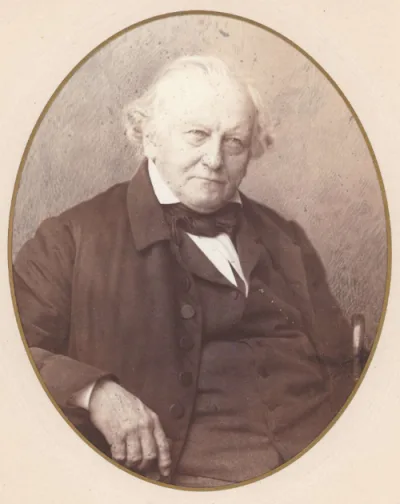
Steven P. Black
Steven Erikson is a Canadian author known for the epic fantasy series Malazan Book of the Fallen, blending anthropological training with complex narratives.
Steven Erikson, born Steve Rune Lundin in 1959, is a Canadian author with a background in archaeology and anthropology. He is most recognized for his extensive ten-volume epic fantasy series, the Malazan Book of the Fallen, which began with Gardens of the Moon in 1999 and concluded with The Crippled God in 2011. This series achieved significant commercial success, selling millions of copies worldwide and garnering critical acclaim, with some reviewers hailing it as a landmark achievement in the fantasy genre. Erikson has also expanded the Malazan universe with prequel and sequel series, as well as novellas and short stories. His work also includes science fiction, notably a comedic trilogy spoofing Star Trek and a standalone First Contact novel.
Prior to his success in fantasy, Erikson published earlier works under his birth name, including a story cycle titled A Ruin of Feathers. He has also participated in a novel-writing contest and published other collections of stories. His writing process involves a deep exploration of universal human emotions, which he transposes into fictional contexts, emphasizing imaginative vulnerability. Erikson's narratives are characterized by complex plots, a large cast of multidimensional characters, and a deliberate subversion of fantasy genre conventions, often beginning stories mid-plot to enhance realism and depth. He has also explored themes of social equality, egalitarianism, and the nature of existence.
Literary Themes and Style
Steven Erikson's literary output is driven by a core theme of exploring the "human condition" and is underpinned by "compassion." In crafting the Malazan world, he and collaborator Ian Cameron Esslemont aimed to depict societies free from sexism and gender-based power structures. Other prominent themes include social inequality, egalitarianism, mortality, life, and historical accuracy. Erikson deliberately plays with and subverts traditional fantasy tropes, presenting characters with complex, multidimensional traits that mirror real human beings, thereby adding depth and unpredictability to his narratives. His storytelling often features intricate plots with numerous characters and is noted for its willingness to eliminate central figures when it serves the narrative. He also emphasizes the importance of emotional truth in writing, arguing that universal emotions like grief can be authentically conveyed by transposing personal experiences into fictional scenarios, requiring significant imaginative vulnerability.
Influences and Creative Foundation
Erikson identifies pen-and-paper role-playing games, specifically Advanced Dungeons & Dragons (AD&D) and GURPS, as the primary influence on his writing career, considering them foundational to the Malazan Empire in his epic series. He also draws inspiration from influential post-Tolkien fantasy authors such as Stephen R. Donaldson, whose Chronicles of Thomas Covenant, and Glen Cook, whose Black Company series, have shaped his storytelling approach. Additionally, Erikson credits a range of other authors, including Robert E. Howard, Edgar Rice Burroughs, Homer, Arthur C. Clarke, Roger Zelazny, John Gardner, Gustav Hasford, Mark Helprin, and Robin Hobb, as significant influences on his Malazan works.
Key Ideas
- Exploration of the human condition through compassionate storytelling.
- Creation of societies free from sexism and gender hierarchies.
- Subversion of fantasy genre conventions with multidimensional characters.
- Transposition of universal emotions into fictional contexts.
- Influence of role-playing games on world-building and narrative structure.
Books by Steven P. Black
0 free public domain books · Read online or download