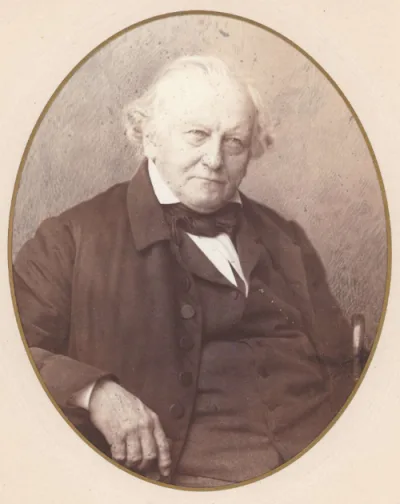
Stephan D. Feuchtwang
Stephan Feuchtwang is an academic whose work analyzes Chinese cosmology and its relation to Confucianism.
Stephan Feuchtwang is an academic whose research delves into Chinese cosmology, particularly its intersection with Confucian thought. His work highlights how Chinese cosmology, a system shared across various Chinese religions, views the universe as self-generating from primal energy and organized by the dynamic interplay of yin and yang. Feuchtwang emphasizes that Confucianism seeks to find balance within these polarities, applying this principle to both individual spiritual development and societal harmony, a concept he terms 'sageliness within and kingliness without'.
His analysis also touches upon the core Confucian virtue of ren (humaneness), describing it as the compassionate essence of a human being, divinely endowed and crucial for achieving unity with 'Heaven'. This pursuit of unity extends from the individual self to family and society, aiming for a harmonious community. Feuchtwang's perspective positions Confucianism not just as a philosophy but as a diffused civil religion, influencing social and moral structures, and he has studied its expression in contemporary China.
Chinese Cosmology and the Yin-Yang Polarity
Stephan Feuchtwang's work illuminates the foundational principles of Chinese cosmology, which posits that the universe originates from a primal chaos of material energy (hundun and qi). This cosmic order is maintained through the fundamental polarity of yin and yang, which permeates all aspects of existence, from the natural world to sociopolitical history. Feuchtwang explains that this dynamic interplay characterizes phenomena as visible/invisible, receptive/active, and unshaped/shaped, and influences cycles like the seasons and the balance between disorder and order. Confucianism, within this framework, is concerned with achieving equilibrium and finding 'middle ways' amidst these shifting configurations.
The Confucian Pursuit of Harmony and 'Ren'
Feuchtwang analyzes the Confucian ideal of integrating personal spiritual growth with worldly engagement, encapsulated in the concept of 'sageliness within and kingliness without.' Central to this is the virtue of 'ren' (humaneness), which he describes as the innate compassionate quality of humanity, a gift from 'Heaven.' This virtue serves as the pathway for individuals to realize their potential and achieve a state of oneness with the transcendent moral order of Heaven. The pursuit of ren involves recognizing the interconnectedness of all beings, extending compassion beyond the self to foster unity and a shared sense of existence.
Confucianism as a Diffused Civil Religion
According to Feuchtwang, Confucianism functions as a pervasive civil religion within Chinese society. He notes its expression through the widespread veneration of five cosmological entities: Heaven and Earth, the sovereign or government, ancestors, and masters. This framework suggests that Confucian ideals are deeply embedded in the cultural fabric, influencing social structures and moral values. The system emphasizes the realization of individual humanity and the creation of harmonious communities by extending the principles of self-cultivation from the personal sphere to the familial and societal levels.
Key Ideas
- Chinese cosmology views the universe as self-creating from primal energy, organized by yin and yang.
- Confucianism seeks balance ('middle ways') between the polarities of yin and yang.
- Ren (humaneness) is the core virtue, representing compassionate essence and a means to unity with Heaven.
- The ideal of 'sageliness within and kingliness without' integrates inner cultivation with outer action.
- Confucianism can be understood as a diffused civil religion in China.
Notable Quotes
“the universe creates itself out of a primary chaos of material energy (hundun and qi), and is organized through the polarity of yin and yang that characterises any thing and life.”
“Yin and yang are the invisible and visible, the receptive and the active, the unshaped and the shaped; they characterise the yearly cycle (winter and summer), the landscape (shady and bright), the sexes (female and male), and even sociopolitical history (disorder and order).”
“Confucianism is concerned with finding "middle ways" between yin and yang at every new configuration of the world.”
“sageliness within and kingliness without”
“humaneness”
Books by Stephan D. Feuchtwang
0 free public domain books · Read online or download