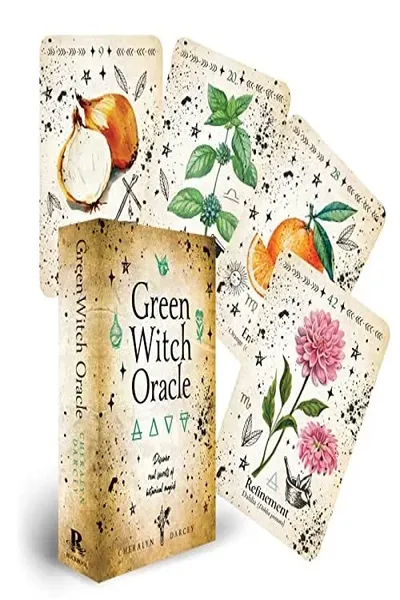
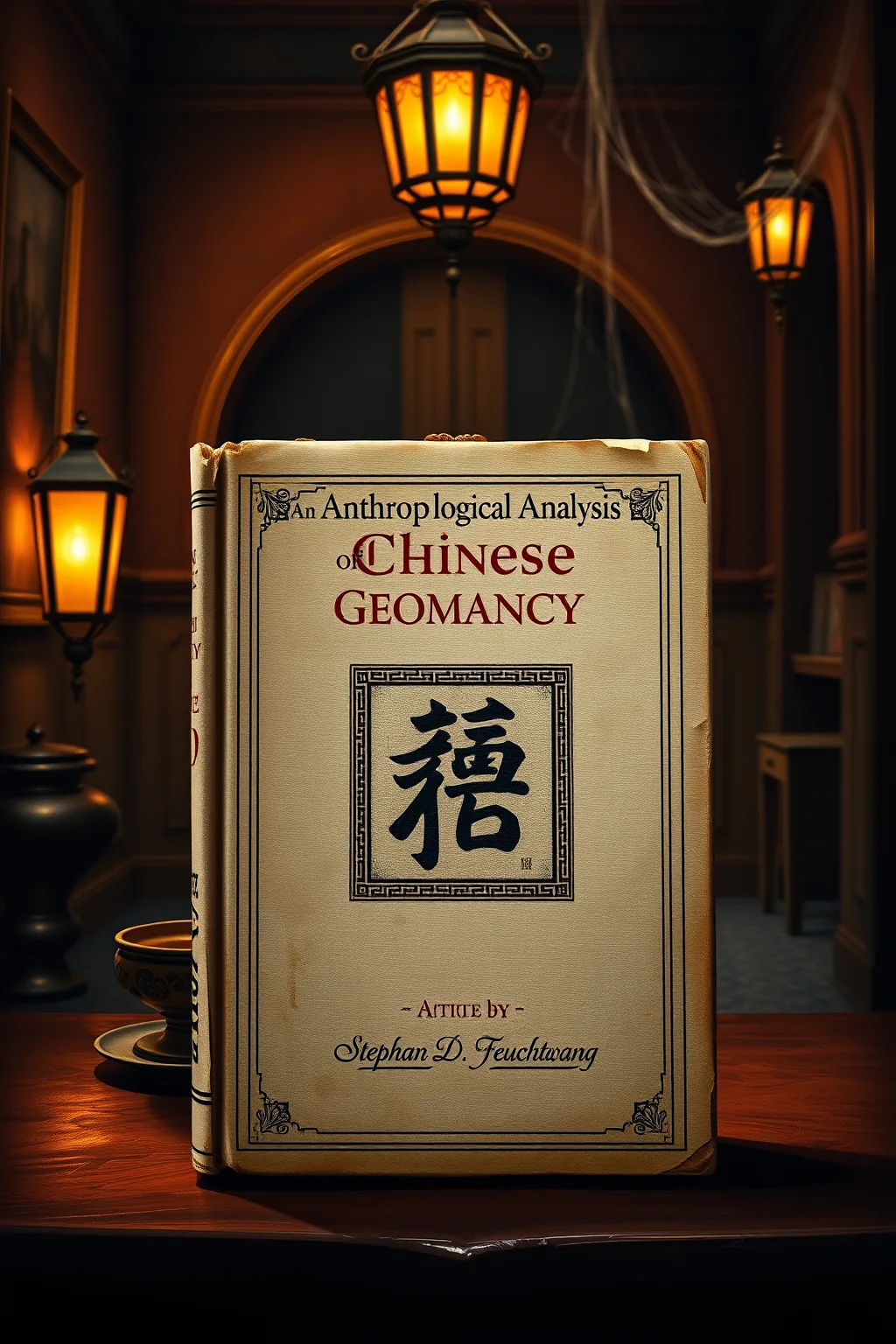
An Anthropological Analysis of Chinese Geomancy
 61
61

An Anthropological Analysis of Chinese Geomancy



Sophia Crane (Associate Editor) — Stephan D. Feuchtwang's 'An Anthropological Analysis of Chinese Geomancy' stands as a cornerstone for understanding the profound depths of Feng Shui. Feuchtwang masterfully dissects the complex theories and practices, moving beyond superficial interpretations to reveal the intricate cosmological worldview that underpins this ancient art. His anthropological lens offers a unique perspective, illuminating the social and cultural significance of geomancy within Chinese society. This work is indispensable for scholars, practitioners, and anyone seeking to grasp the philosophical and spiritual dimensions of harmonizing with the natural world. It is an authoritative and deeply insightful exploration of a practice that connects the earthly realm with celestial forces, offering timeless wisdom.
📝 Description
61
Stephan D. Feuchtwang's 1992 book analyzes Chinese geomancy as a cosmological framework.
Stephan D. Feuchtwang's 'An Anthropological Analysis of Chinese Geomancy' examines the practice known as Feng Shui. The book argues that geomancy is more than just arranging spaces; it is a deep cosmological system tied to Chinese spiritual and philosophical ideas. Feuchtwang looks at how concepts like 'chi', celestial forces, and earth energies affect human life and destiny.
The analysis covers the symbolic meanings of natural elements like dragons, mountains, and water in geomancy. It seeks to explain the 'esoteric wisdom' found in the landscape itself. The book aims to show how geomancy has historically tried to create harmony between people and the wider cosmos. It offers a view of a world where earthly and celestial matters are in constant interaction.
For those interested in hidden knowledge or the study of esoteric traditions, this work gives a look into the core of geomancy. It explores principles of balance and energy flow that continue to hold significance.
Chinese geomancy, or Feng Shui, is a tradition concerned with the arrangement of space to achieve harmony with the environment and cosmic forces. It draws upon ancient Chinese philosophies, including Taoism and concepts of *qi* (vital energy). This practice is not merely aesthetic; it is understood as a way to align human activities and dwellings with natural energies for well-being and prosperity. Feuchtwang's work places this practice within its anthropological and philosophical context, moving beyond superficial interpretations to understand its deeper cultural significance.
💡 Why Read This Book?
Uncover the mystical philosophy behind Feng Shui, exploring the intricate relationship between humanity and the earth's energetic flows. This book is essential for practitioners seeking a deeper understanding of geomantic principles, scholars interested in the anthropological roots of esoteric traditions, and seekers of ancient wisdom who wish to harmonize their environment with cosmic forces.
⭐ Reader Reviews
Honest opinions from readers who have explored this book.
❓ Frequently Asked Questions
What is the primary focus of this book on Chinese Geomancy?
The book offers an anthropological analysis, exploring Chinese Geomancy (Feng Shui) as a complex cosmological system deeply integrated into Chinese culture, philosophy, and spiritual beliefs, rather than just a set of spatial arrangement rules.
Who is Stephan D. Feuchtwang and what is his expertise?
Stephan D. Feuchtwang is a renowned anthropologist and scholar specializing in Chinese religion, ritual, and cosmology. His extensive fieldwork and academic research lend significant authority and depth to his analysis of geomancy.
Is this book suitable for beginners in Feng Shui?
While comprehensive, the book is best suited for those with a foundational interest or some prior exposure to geomancy. It offers a scholarly depth that rewards dedicated study, but the rich explanations can illuminate the subject for curious newcomers.
What are the key benefits of studying Chinese Geomancy from this perspective?
Studying geomancy from this perspective unlocks a deeper understanding of its symbolic language, its connection to natural forces, and its role in shaping human perception and interaction with the environment, fostering a more holistic approach to living.
Does the book discuss practical applications of Geomancy?
Yes, the book delves into the theoretical underpinnings which are crucial for practical application. It explains the principles and symbolism that guide practitioners in making informed decisions about spatial arrangements for harmony and well-being.
🔮 Key Themes & Symbolism
The Cosmological Framework of Geomancy
This theme explores the intricate worldview that underpins Chinese Geomancy, viewing it as a sophisticated system that maps the cosmic order onto the terrestrial landscape. It examines the belief that the earth is imbued with vital energies (chi) that are influenced by celestial bodies and geological formations. The analysis uncovers how geomancers interpret these energies to foster harmony, prosperity, and well-being, revealing a profound connection between the human realm and the universe. This section illuminates the symbolic language of mountains, rivers, and celestial alignments as conduits of cosmic influence, offering a unique lens through which to understand ancient Chinese thought.
Symbolism and the Language of the Land
Dive into the rich symbolic lexicon of Chinese Geomancy, where natural features are imbued with profound meaning. This theme deciphers the esoteric significance of dragons, phoenixes, tigers, and the flowing currents of water, understanding them not merely as geographical elements but as potent representations of energetic forces. It examines how these symbols are interpreted to assess the auspiciousness of a site, revealing a deep-seated belief in the sentience of the landscape and its capacity to influence human affairs. The analysis highlights how the skilled geomancer reads these signs to create environments that resonate with positive cosmic vibrations, fostering balance and good fortune.
The Anthropological Lens on Geomantic Practice
This theme examines Chinese Geomancy through the critical lens of anthropology, moving beyond mere ritualistic descriptions to understand its societal functions and cultural embeddedness. It explores how geomantic practices have shaped settlements, architecture, and social hierarchies, revealing their role in maintaining cosmic and social order. The analysis examines the historical evolution of geomancy, its integration with Taoism and other philosophical traditions, and its enduring impact on the Chinese psyche. By understanding geomancy as a cultural phenomenon, readers gain insight into how humans have historically sought to align themselves with perceived universal forces for guidance and empowerment.
💬 Memorable Quotes
Direct passages from the work, attributed to the author.
“Harmony is the dance between earth and sky.”
— This highlights the fundamental principle of geomancy: achieving balance and auspiciousness through the alignment of terrestrial energies with celestial influences.
“Every mountain whispers ancient secrets.”
— This evokes the idea that natural formations hold inherent wisdom and symbolic meaning, which a skilled geomancer can interpret to understand environmental energies.
“The flow of water dictates the flow of fortune.”
— This points to the crucial role of water in geomancy, representing wealth, prosperity, and the dynamic movement of chi, emphasizing its careful consideration in site selection.
“Man is a microcosm of the cosmos.”
— This philosophical statement underscores the belief that human beings reflect the larger universal order, and thus, aligning one's environment can lead to inner harmony and cosmic connection.
💡 Key Ideas
Editorial paraphrase of the work's core concepts — not direct quotes.
The land breathes with unseen forces.
This quote expresses the core belief in geomancy that the earth is alive and pulsating with vital energy (chi), which can be perceived and influenced by human action.
🌙 Esoteric Significance
Tradition
This work examines the esoteric tradition of Chinese Geomancy (Feng Shui), a practice deeply rooted in Taoist philosophy, cosmology, and ancient Chinese metaphysics. It is not merely about aesthetics but about understanding and manipulating the vital life force (Qi) that flows through the earth and all living things. The tradition seeks to achieve harmony and balance by aligning human environments with the natural landscape and cosmic energies, influencing health, prosperity, and spiritual well-being.
Symbolism
The esoteric significance lies in its profound symbolic language, where natural features like mountains (dragon's veins) and watercourses (Qi conduits) are interpreted as carriers of cosmic energy. Symbols like the Yin-Yang duality, the Five Elements (Wood, Fire, Earth, Metal, Water), and astrological patterns are employed to diagnose energetic imbalances and prescribe remedies. The book unpacks how these symbols are not arbitrary but represent fundamental forces and principles governing the universe, offering a sophisticated system for understanding the subtle energetic architecture of existence.
Modern Relevance
In contemporary times, the esoteric significance of Chinese Geomancy remains profoundly relevant as it offers timeless principles for achieving balance, harmony, and well-being in an increasingly chaotic world. It provides a framework for understanding the energetic impact of our built environments on our physical and mental states, encouraging a more conscious and mindful approach to living. For many, it offers a spiritual connection to the earth and a path to greater personal alignment and resilience, bridging ancient wisdom with modern challenges of urban living and environmental consciousness.
👥 Who Should Read This Book
This book is a rich source for a diverse audience. **Scholars and Academics** will find Feuchtwang's rigorous anthropological analysis and historical context important for their research into Chinese culture, religion, and esoteric traditions. **Practitioners of Feng Shui**, from seasoned professionals to aspiring students, will gain a deeper, more nuanced understanding of the theoretical underpinnings and philosophical depth of their craft, moving beyond rote application. **Seekers of Esoteric Wisdom** interested in non-Western metaphysical systems will discover a rich and complex worldview that offers clear insights into the human connection with the cosmos. **Anyone curious** about the intricate relationship between humanity, nature, and the unseen forces that shape our lives will find this exploration both enlightening and deeply engaging.
📜 Historical Context
Stephan D. Feuchtwang's 'An Anthropological Analysis of Chinese Geomancy' emerges from a rich historical milieu where the relationship between humanity and the cosmos was paramount. Developed over millennia, Chinese Geomancy, or Feng Shui, evolved from ancient observations of the natural world and astronomical cycles. Its codification and widespread practice intensified during periods of dynastic rule, where it influenced imperial city planning, tomb construction, and the placement of significant structures, aiming to secure imperial legitimacy and societal stability. The Song Dynasty (960-1279) saw a significant flourishing of philosophical inquiry, including the complex interplay of Yin and Yang, the Five Elements, and the concept of Qi, all of which are foundational to geomancy. Feuchtwang's work, while modern in its analytical approach, engages with this deep historical lineage, situating geomancy not as a static set of rules but as a dynamic, living tradition deeply embedded within the intellectual and spiritual currents of Chinese history. Its influence extended beyond the elite, permeating the lives of common people seeking to harmonize their immediate surroundings with the perceived cosmic order.
📔 Journal Prompts
Reflect on a natural landscape you find particularly calming or invigorating. What elements within it might be interpreted through a geomantic lens?
Consider the concept of 'Qi' in your daily life. Where do you perceive its flow or stagnation, and how might you influence it?
How does your current living or working space reflect or contradict the principles of harmony and balance discussed in the book?
What does the idea of 'man as a microcosm of the cosmos' mean to you personally?
Explore the symbolism of a mountain or a body of water in your local environment. What inherent energies or meanings might it represent?
🗂️ Glossary
Qi (Chi)
The fundamental life force or vital energy that permeates the universe and all living beings in Chinese philosophy and geomancy. It is believed to be the essence of breath and energy, influencing health, prosperity, and the environment.
Yin and Yang
The complementary, interconnected, and interdependent forces or principles that govern the natural world. Yin represents passive, feminine, dark, and cool aspects, while Yang represents active, masculine, light, and warm aspects. Their balance is crucial for harmony.
Five Elements
A classical Chinese concept representing five fundamental phases or elements: Wood, Fire, Earth, Metal, and Water. These elements are interconnected through generative and destructive cycles and are used to explain phenomena and guide geomantic practices.
Dragon's Vein
In geomancy, this refers to the auspicious lines of energy that flow through the earth, often associated with mountain ranges. Identifying and utilizing the Dragon's Vein is considered crucial for selecting sites with potent and beneficial Qi.
Eight Trigrams (Bagua)
A fundamental symbol in Chinese cosmology and geomancy, consisting of eight three-line symbols representing fundamental principles of reality. The Bagua is used to map the energetic qualities of space and understand relationships between different aspects of life.
This book appears in 4 collections
🔮 Readers Also Liked
Browse all →








More by Stephan D. Feuchtwang
All books →
From the “Geomancy” Collection
View all →







More Free Divination & Tarot Books
View all →