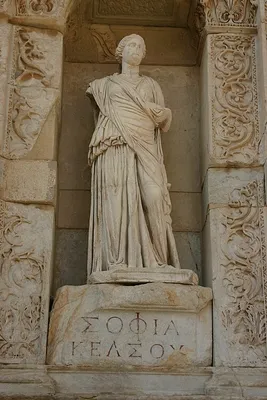
Sophia Williams
Sophia, meaning 'Wisdom,' is an ancient Greek name with a rich history, popular globally and associated with spiritual concepts.
The name Sophia, derived from the Greek word for 'Wisdom,' has a long and varied history, first appearing in the early 4th century. It is prevalent in Eastern Orthodox cultures and saw a significant surge in popularity in Western countries starting in the late 1990s, becoming one of the most common given names for girls in the 21st century. Early Christians recognized Sophia as the personification of wisdom, and the veneration of Saint Sophia, an early Christian martyr, also contributed to the name's widespread use.
The name's popularity has been influenced by various factors throughout history, including royal families like the House of Hanover in Britain and appearances in notable literature such as Henry Fielding's "Tom Jones" and Oliver Goldsmith's "The Vicar of Wakefield." Modern popular figures like Sophia Loren, Sofía Vergara, and Sofia Coppola have also contributed to its enduring appeal. Numerous variants of the name exist across different languages and cultures, reflecting its global reach.
Historical and Cultural Significance
The name Sophia, meaning 'Wisdom' in Greek, has a history dating back to the 4th century. It holds particular significance in Eastern Orthodox traditions and gained widespread popularity in the West from the late 20th century onwards. Early Christian associations linked Sophia to the concept of divine wisdom and the figure of Saint Sophia, an early martyr. This spiritual connection, coupled with its presence in medieval and early modern Europe, laid the groundwork for its enduring appeal. The name's journey through history includes popularization by royalty, such as the German House of Hanover in 18th-century Britain, and its inclusion in classic novels, further cementing its place in Western culture.
Global Popularity and Variations
Sophia and its many variations are now globally recognized and widely used names for girls. Its rise in the late 20th and early 21st centuries is notable, with figures like Sofía Vergara and Sofia Coppola cited as influences. The name's adaptability is evident in its diverse forms across languages, including Sofia (Romance languages), Sofija (Slavic and Baltic), Zsófia (Hungarian), and Sophie (French, English). While some spellings like Safiye and Persian Sofia have unrelated origins, the core association with wisdom remains a common thread. Its consistent ranking among the most popular names in numerous countries highlights its international appeal.
Notable Figures and Associations
Throughout history, the name Sophia has been borne by numerous notable individuals across various fields, including royalty, arts, and entertainment. From Byzantine empresses and European queens to modern actresses, singers, and artists, the name has been consistently associated with prominent figures. The legacy of Saint Sophia and the personification of wisdom have imbued the name with a sense of intellectual and spiritual depth, which may contribute to its continued popularity. The widespread adoption of its variants across cultures underscores its universal resonance.
Key Ideas
- Meaning of 'Wisdom' in Greek.
- Historical and religious significance of the name.
- Global popularity and linguistic variations.
Books by Sophia Williams
2 free public domain books · Read online or download