Robin Collyns
Ancient astronaut theories propose extraterrestrial contact influenced human history, technology, and religion, but are widely dismissed by academia.
The concept of ancient astronauts, also known as paleocontact or ancient aliens, posits that intelligent extraterrestrial beings visited Earth in antiquity, influencing human cultures, technologies, and religions. Proponents suggest that deities across various religions are alien in origin, and that advanced alien technologies were misinterpreted as divine by early humans. This perspective is considered pseudoscience and pseudoarchaeology by academics and archaeologists, who note that claims are often based on distorted or fabricated evidence and lack credible peer-reviewed support.
While popular in fringe media, the theories are criticized for potentially diminishing the achievements of indigenous cultures and sometimes carrying racist undertones, particularly when implying that non-white populations were incapable of building monumental structures without extraterrestrial aid. Some scholars argue that these theories can inadvertently support indigenous perspectives by acknowledging ancient peoples' claims of celestial origins. The idea gained traction in the late 20th century with prominent figures like Erich von Däniken, though critics have systematically debunked their claims.
Core Tenets of Ancient Astronaut Theories
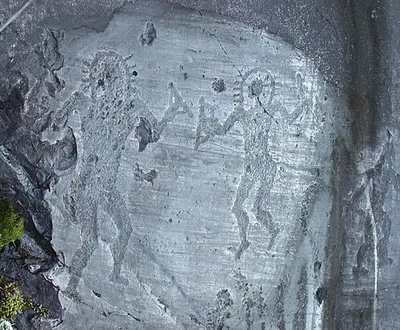
The central idea of ancient astronaut theories is that extraterrestrial intelligences visited Earth in prehistoric and ancient times, significantly impacting human development. Believers often assert that humanity is either descended from or was created by these alien visitors. Key to these theories is the notion that advanced knowledge, culture, and religion were gifted to humans by these ancient astronauts, who may have acted as a 'mother culture.' Furthermore, proponents frequently claim that extraterrestrials were responsible for constructing or assisting in the construction of Earth's ancient monumental structures, such as the pyramids or the Moai of Easter Island. Evidence cited typically includes interpretations of archaeological artifacts considered anachronistic or beyond the technological capabilities of ancient peoples, as well as reinterpretations of ancient artwork and legends.
Academic Rejection and Criticisms
Mainstream academic and archaeological communities widely reject ancient astronaut theories, classifying them as pseudoarchaeology and unscientific. Critics point out that proponents often distort or fabricate evidence and that claims receive no credible attention in peer-reviewed studies. A significant criticism is that these theories can have racist implications, suggesting that indigenous peoples were incapable of their own achievements and thus required alien intervention. This perspective is seen as undermining the capabilities and accomplishments of non-European cultures. Additionally, some argue that the focus on extraterrestrial intervention dismisses or distorts the origin stories and cultural narratives of indigenous peoples, some of whom have traditions referencing celestial beings or 'star-people'.
Historical Development and Proponents
The concept of ancient astronauts emerged in late 19th and early 20th-century science fiction before being seriously proposed by journalist Harold T. Wilkins in 1954. Its popularity surged in the 1960s, fueled by the Space Race and the widespread success of Erich von Däniken's books, most notably 'Chariots of the Gods?' (1968). Von Däniken argued that certain ancient artifacts and structures demonstrated technological capabilities beyond those of ancient cultures, suggesting extraterrestrial influence. While figures like Carl Sagan and Iosif Shklovsky explored the possibility of extraterrestrial life, they cautioned against uncritical acceptance of ancient astronaut claims, highlighting conventional explanations for purported evidence. Despite critiques debunking his specific claims, the idea has persisted in popular culture, particularly through media like the History Channel series 'Ancient Aliens'.
Key Ideas
- Extraterrestrial beings visited Earth in antiquity.
- Alien contact influenced human culture, technology, and religion.
- Deities in many religions are interpreted as extraterrestrial visitors.
- Ancient structures and artifacts provide evidence of alien intervention.
- Ancient astronaut theories are considered pseudoarchaeological by academics.
Books by Robin Collyns
2 free public domain books · Read online or download