Robert R. Barefoot
Robert R. Barefoot is recognized for his association with the barefooting movement, linked to spiritual and countercultural practices.
The practice of going barefoot has a long history, often associated with religious asceticism, philosophical inquiry, and spiritual devotion across various cultures. From ancient Greek philosophers like Socrates and Diogenes, who embraced a simple, barefoot lifestyle, to numerous Christian saints and Hindu gurus, foregoing shoes has symbolized humility, poverty, and respect. This tradition extends to figures in Judaism and other Christian denominations who adopt barefoot customs during mourning.
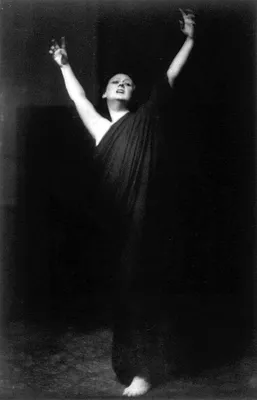
In the 20th century, barefooting gained new dimensions. The early barefoot dance movement, led by figures like Isadora Duncan, challenged societal norms and connected bare feet with freedom and naturalism. Later, particularly since the 1960s, it became intertwined with counterculture movements such as the hippies and New Age spirituality. This association influenced figures in business, notably Steve Jobs, who adopted a casual, barefoot public image. Today, individuals and groups continue to advocate for the recognition of a barefoot lifestyle, seeking to overcome social stigma and legal restrictions, with recent trends amplified by social media platforms.
Philosophical and Spiritual Roots of Barefooting
The practice of going barefoot has been deeply embedded in philosophical and spiritual traditions throughout history. Ancient Greek thinkers like Socrates and Diogenes are noted for their barefoot lifestyles, aligning with philosophical ideals of simplicity and detachment. This practice also found expression in religious asceticism, particularly within Christian mendicant orders such as the Discalced Carmelites, who adopted discalced practices as a sign of poverty and humility. In Eastern traditions, Hindu gurus often go barefoot as a way to receive gestures of respect from their followers. The association of barefooting with spiritual devotion is further evidenced by its custom in Judaism and some Christian denominations during periods of mourning, highlighting its role as a physical manifestation of reverence and penitence.
Barefooting in Modern Culture and Counterculture
The early 20th century witnessed the rise of the barefoot dance movement, spearheaded by pioneers like Isadora Duncan, who redefined the barefoot appearance from potentially obscene to a symbol of liberation and natural expression. As the century progressed, particularly from the 1960s onwards, barefooting became strongly linked with countercultural movements, including the hippie and New Age philosophies. This association drew historical parallels to ancient spiritual figures who lived simply and barefoot. The influence of these movements extended into mainstream culture, with figures like Steve Jobs adopting a barefoot public persona, which in turn influenced corporate culture. Currently, there is an ongoing effort to legitimize and normalize barefooting as a lifestyle choice, challenging social stigmas and advocating for the removal of restrictive regulations.
Key Ideas
- Barefooting as a symbol of asceticism, humility, and poverty in religious and philosophical contexts.
- Barefoot dancing as a form of liberation and natural expression.
- Association of barefooting with counterculture, New Age spirituality, and a rejection of societal norms.
- The modern movement to legitimize and destigmatize barefooting as a lifestyle choice.
Books by Robert R. Barefoot
0 free public domain books · Read online or download