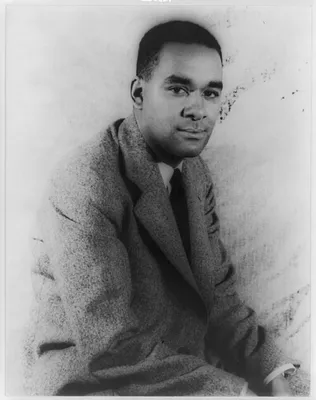
Richard Rose
Richard Wright was an American author whose works explored racial themes and the African American experience.
Richard Nathaniel Wright (1908–1960) was an American author, known for his novels, short stories, and non-fiction that frequently addressed racial injustice and the struggles of African Americans in the late 19th and mid-20th centuries. His literary contributions are credited by critics with influencing race relations in the United States during his time.
Wright's early life was marked by hardship, including his father's abandonment, poverty, and frequent moves between Mississippi, Tennessee, and Arkansas. He experienced significant periods of instability, including stays in an orphanage and living with relatives, which interrupted his formal education. Despite these challenges, he developed a strong desire for learning and reading, often finding ways to access books despite segregation. His experiences growing up in the Jim Crow South profoundly shaped his perspective and literary themes.
Relocating to Chicago, Wright continued his education and became involved with Marxist literary circles, joining the John Reed Club and later the Communist Party. He founded writing groups and edited literary magazines, contributing to various publications. His early writings, including his first novel 'Cesspool' (later 'Lawd Today'), drew on his experiences working in Chicago during the Great Depression. His career progressed with the publication of short stories and the collection 'Uncle Tom's Children,' solidifying his role as a significant voice addressing the Black experience in America.
Early Life and Education
Born in Mississippi in 1908, Richard Wright's early life was characterized by his father's absence and his family's frequent relocations across Mississippi, Tennessee, and Arkansas. He endured periods of poverty, including time in an orphanage and living with relatives, which led to intermittent schooling. His grandmother's home in Jackson, Mississippi, provided a more stable environment where he could attend school more regularly, though his relationship with his devout aunt and grandmother was strained by their attempts to enforce religious practices. These experiences, including beatings and restrictions on his activities, fostered a lasting skepticism towards religious dogma, a theme that would appear in his writing. Wright's early exposure to racism and discrimination in the South deeply influenced his worldview.
Literary Beginnings and Political Engagement
Wright's literary aspirations began to manifest during his youth. At fifteen, he published his first story in a local Black newspaper. After graduating from junior high, he faced pressure from a school principal to deliver a pre-written speech, but he insisted on delivering his own words, demonstrating an early commitment to his voice. Moving to Memphis, he pursued reading voraciously, even devising a method to borrow books from a segregated white library. In Chicago, he worked as a postal clerk and became involved with the Communist Party and the John Reed Club, a Marxist literary organization. He founded the South Side Writers Group and edited the literary magazine 'Left Front.' His early novel manuscript, 'Cesspool,' reflected his experiences in Chicago during the Depression. He also became involved with the National Negro Congress and served as the Harlem editor for the 'Daily Worker.'
Themes and Impact
Richard Wright's literary work is primarily concerned with the racial injustices and the profound impact of discrimination and violence on African Americans during the late 19th and mid-20th centuries. His writings often depicted the harsh realities faced by Black individuals in the segregated American South and urban centers. Critics have acknowledged that Wright's powerful literary portrayals significantly contributed to shifting public understanding and discourse on race relations in the United States during the mid-20th century. His experiences with religious control in his youth also informed his writing, leading to a critical examination of religious and Christian teachings as solutions to life's challenges.
Key Ideas
- Exploration of racial themes and the African American experience
- Critique of racial discrimination and violence
- Impact of the Jim Crow South on identity
- Skepticism towards religious dogma influenced by upbringing
Books by Richard Rose
5 free public domain books · Read online or download