Philip Pullman
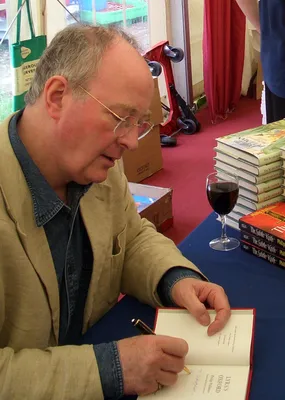
Philip Pullman is an English author celebrated for his fantasy works, particularly the His Dark Materials trilogy.
Philip Pullman is an English author widely recognized for his imaginative fantasy literature, most notably the acclaimed trilogy His Dark Materials. Born in 1946, his career has been marked by numerous accolades, including a knighthood for his contributions to literature. His early life experiences, including the loss of his father and subsequent family moves, alongside a profound engagement with literature and poetry, have shaped his narrative voice. He has taught and lectured, often critiquing educational practices, and has continued to produce significant works throughout his career.
Pullman's writing often explores complex philosophical and theological themes, drawing inspiration from classical literature, mythology, and religious texts. His most famous series, His Dark Materials, delves into concepts of parallel universes, the nature of consciousness, and the conflict between authority and individual freedom. Beyond this major work, he has also penned other children's books and a companion trilogy, The Book of Dust, further expanding his fictional universe. His literary output has achieved significant global sales and critical recognition, cementing his status as a prominent figure in contemporary literature.
Literary Influences and Early Development
Philip Pullman's formative years were significantly shaped by literature and his family background. His grandfather, a Church of England rector, instilled in him a love for storytelling. The early death of his father, a Royal Air Force pilot, and his mother's remarriage led to a period of relocation and adaptation. Pullman recalls his mother reading Kipling's "Just So Stories," and his childhood reading included Erich Kästner's "Emil and the Three Twins," a book he later recognized resonated with his own experience of a widowed mother. His exposure to comics like Superman and Batman, and particularly Hergé's "The Adventures of Tintin," also left a lasting impression. A pivotal moment occurred in his youth when he encountered T. S. Eliot's poetry, which awakened his appreciation for the profound impact of words. Later discoveries, such as John Milton's "Paradise Lost" and the works of poets like Allen Ginsberg and William Blake, profoundly influenced his developing worldview and literary style, particularly informing his seminal "His Dark Materials" trilogy.
Thematic Explorations in His Major Works
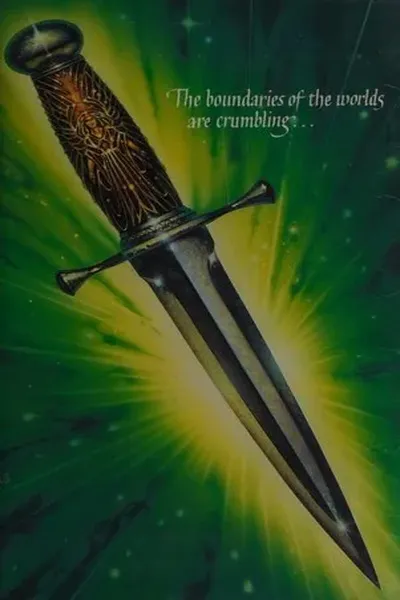
Pullman's most celebrated work, the fantasy trilogy "His Dark Materials," is deeply imbued with philosophical and theological explorations. The series, which includes "Northern Lights" (published as "The Golden Compass" in North America), "The Subtle Knife," and "The Amber Spyglass," draws its title from John Milton's "Paradise Lost." A central concept is the embodiment of human souls as animal companions called dæmons, a motif influenced by the Socratic concept of a daimon. The narrative follows the journey of Lyra Belacqua across parallel universes, confronting themes of free will, authority, knowledge, and the nature of consciousness. The trilogy's critical reception was immense, earning prestigious awards and public acclaim. Pullman has further expanded this universe with the companion trilogy "The Book of Dust," which he describes as an "equel" rather than a direct sequel or prequel, weaving together characters and events from the original series while introducing new narratives and thematic depths.
Career and Recognition
Philip Pullman's career as a writer has been marked by consistent critical and commercial success. His debut novel, "The Haunted Storm," received an award, though he has largely refrained from discussing it. He transitioned through various genres, writing adult fantasy and historical mysteries before achieving widespread recognition with his children's fiction. The "Sally Lockhart" quartet and his fairy tale-inspired works garnered attention, but it was "His Dark Materials" that solidified his international reputation. He has also been recognized for his contributions to education, often speaking out against rigid educational policies. Pullman's literary achievements were formally acknowledged when he was knighted in the 2019 New Year Honours for services to literature. He has also received numerous honorary doctorates and other distinctions, reflecting his significant impact on the literary landscape. As of recent reports, his books have achieved tens of millions of copies sold globally.
Key Ideas
- The concept of dæmons as externalized souls, influenced by Socratic philosophy.
- Exploration of parallel universes and their interconnectedness.
- Themes of free will, authority, knowledge, and the nature of consciousness.
- The tension between organized religion/authority and individual inquiry.
- The power of storytelling and its influence on memory and identity.
Notable Quotes
“Given what we now know about British behaviour during the insurgency, my father probably doesn't come out of this with very much credit, judged by the standards of modern liberal progressive thought”
“a serious challenge to his childhood memory”
“Kipling's rhythms must have got into my memory”
“It was only much later that I realised why that book had such a deep effect on me: like mine, Emil's mother had been widowed, and he didn't want her to marry again”
“weight and colour and taste and shape as well as meaning”
Books by Philip Pullman
9 free public domain books · Read online or download