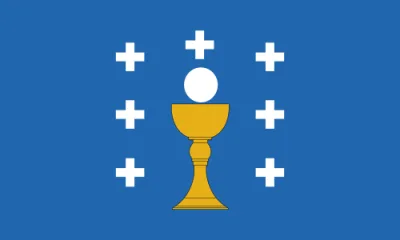
The Kingdom of Galicia was a historical entity in Iberia, initially formed by Suebi and later integrated into various larger kingdoms.
The Kingdom of Galicia emerged in the early 10th century from a division of the Kingdom of Asturias, with Ordoño II initially inheriting the territory. Though it gained distinct political status, it remained closely connected to León and Asturias through dynastic ties, eventually being absorbed into the Kingdom of León. Compostela became its capital in the 11th century. Portugal's independence in 1128 defined its southern border. Galicia came under Castilian control in 1230 and often resisted central authority, supporting various claimants to power until firmly subdued by the Catholic Monarchs. It was administered within the Crown of Castile and later Spain, with its representative assembly, the Junta, briefly asserting sovereignty during Napoleonic occupation before its dissolution in 1834.
The origins of the region's kingdom trace back to the 5th century when the Suebi settled in the Roman province of Gallaecia. Their king, Hermeric, established a kingdom, initially recognized as the Kingdom of the Suebi and later as the Kingdom of Galicia. This independent Suebic kingdom lasted from 409 to 585. During this period, the Suebi integrated with the local Gallaeci population, and their rulers, like Rechiar, adopted Nicene Christianity and minted coins. The kingdom faced internal divisions and external conflicts, notably with the Visigoths, who eventually conquered it in 585. Traces of the Suebi language remain in modern Galician and Portuguese, and their toponymic contributions are significant.
Suebic Foundation and Rule
The foundation of a distinct kingdom in Galicia is rooted in the 5th century with the settlement of the Suebi people in the former Roman province of Gallaecia. Under King Hermeric, a pact with the Roman Emperor Honorius granted them lands, and they established their capital in Bracara Augusta (modern Braga). This entity was first known as the Kingdom of the Suebi and later as the Kingdom of Galicia. The Suebi kingdom maintained relative stability for over a century and a half, lasting until 585. During this era, cultural distinctions between the Suebi and the native Gallaeci faded, leading to unified titles like 'King of Galicia.' Notable rulers like Rechiar adopted Nicene Christianity and even minted coins, marking a significant post-Roman development. The kingdom experienced periods of expansion and internal division, eventually succumbing to the Visigothic King Leovigild.
Integration and Resistance within Larger Kingdoms
Following the Suebic period, Galicia became integrated into the Visigothic Kingdom and later experienced periods of distinct political existence, often tied to the Kingdom of León. Formed in the early 10th century after the division of the Kingdom of Asturias, Galicia, while a separate entity, maintained close dynastic links with León. It was eventually incorporated into the Kingdom of León by Ordoño II. Compostela rose as its capital in the 11th century. The region's history is marked by a struggle against central control, supporting various claimants to power, including John of León, Ferdinand I of Portugal, and John of Gaunt. Its definitive integration into the Crown of Castile occurred in 1230. Later, under the Crown of Spain, it was administered by an Audiencia Real and had a representative assembly, the Junta or Cortes of the Kingdom of Galicia.
Books by
6 free public domain books · Read online or download