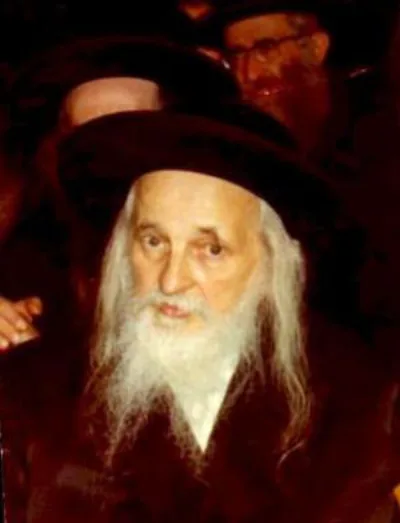
Michael Teitelbaum
Joel Teitelbaum founded the Satmar dynasty, known for strict conservatism and opposition to modernity and Zionism.
Joel Teitelbaum (1887-1979) was a Hungarian-born American Jewish leader and the founder of the Satmar Hasidic dynasty. He was a prominent figure in the post-World War II Hasidic revival, advocating for a highly conservative and isolationist approach, and rejecting modern influences. Teitelbaum was a staunch opponent of Zionism, viewing it as fundamentally heretical. The town of Kiryas Joel in New York is named in his honor.
Born into a rabbinical family known for its conservative views, Teitelbaum displayed intellectual prowess from a young age. He inherited his family's opposition to the Enlightenment, Neolog Judaism, and Zionism. After a period of initial rabbinical service and disputes over leadership, he eventually established himself as the Rebbe of Satmar. He faced significant opposition in securing the chief rabbinate of Satmar, leading to the establishment of an independent community before an eventual agreement was reached.
Early Life and Rabbinical Beginnings
Joel Teitelbaum was born in 1887, the youngest child of Rabbi Chananyah Yom Tov Lipa Teitelbaum, a prominent Hasidic leader. He hailed from a lineage of rabbis known for their staunch conservatism and opposition to secular influences like the Enlightenment and modern Judaism. Even in his youth, Joel demonstrated exceptional intellect and a rigorous adherence to religious observance. He received rabbinical ordination from several prominent rabbis before marrying Chavah Horowitz in 1904. Following his father's death, his older brother succeeded him, but Joel gradually began to gather his own following in Szatmárnémeti (Satmar), eventually referring to himself as the "Rebbe of Satmar."
Rabbinical Career and Opposition to Zionism
Teitelbaum served as rabbi in various communities, including Ilosva and later Krula. He established rabbinical seminaries and actively promoted Hasidism. He maintained the conservative stances of his predecessors, strictly forbidding any association with Zionists. His path to becoming the chief rabbi of Satmar was fraught with challenges, facing opposition from modernists and Zionists within the community. After a protracted dispute and the establishment of an independent community by his supporters, he was eventually appointed chief rabbi in 1934. His seminary in Satmar became the largest in the city. Teitelbaum's strong anti-Zionist views were a defining characteristic of his leadership.
World War II and Post-War Leadership
During the tumultuous period leading up to and during World War II, Teitelbaum's focus was on the survival of himself and his inner circle, securing visas for escape while not actively engaging in broader rescue efforts for the Jews of Transylvania. Following the war, he became a central figure in the revival of Hasidism. He led the Satmar Hasidic movement, establishing its center in Williamsburg, Brooklyn, and later in Kiryas Joel, New York. His ideology remained fiercely anti-modern and anti-Zionist, shaping the distinct identity of the Satmar community, which sought to preserve a traditional way of life, isolated from external influences.
Books by Michael Teitelbaum
6 free public domain books · Read online or download