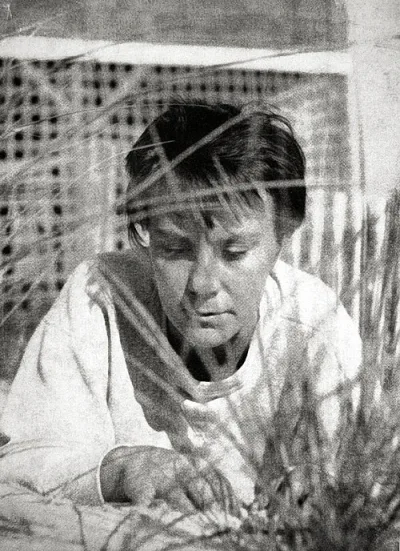
Nelle Harper Lee, an American novelist, is best known for her Pulitzer Prize-winning novel, To Kill a Mockingbird.
Nelle Harper Lee, born in Alabama in 1926, became a celebrated American novelist. Her most famous work, "To Kill a Mockingbird," published in 1960, received the Pulitzer Prize for Fiction in 1961 and is considered a cornerstone of modern American literature. The novel draws inspiration from Lee's own observations of her family, neighbors, and a childhood event in Monroeville, Alabama, exploring themes of racial prejudice and societal attitudes in the Deep South during the 1930s through the eyes of children.
Lee also assisted her friend Truman Capote with research for his novel "In Cold Blood." An earlier draft of her famous novel, titled "Go Set a Watchman," was published in 2015. Throughout her life, Lee received numerous honors, including the Presidential Medal of Freedom in 2007, recognizing her significant contributions to literature. She passed away in 2016.
Early Life and Education
Born Nelle Harper Lee in Monroeville, Alabama, on April 28, 1926, she was the youngest of four children. Her father was a lawyer and former newspaper editor who served in the Alabama State Legislature. Lee's early life and observations in Monroeville heavily influenced her later writing. She developed an interest in literature during high school and pursued legal studies at the University of Alabama. While at university, she contributed to student publications but ultimately left her studies before completing her degree, a decision that disappointed her father. She also briefly attended Oxford University in England.
Writing Career and "To Kill a Mockingbird"
In 1949, Lee moved to New York City, working various jobs while dedicating her free time to writing. She found a literary agent in 1956, and a year later, submitted a manuscript that would eventually become "To Kill a Mockingbird." Working closely with editor Tay Hohoff, Lee revised the manuscript extensively over several years. The novel, published in 1960, was an immediate success, earning critical acclaim and the Pulitzer Prize. It is noted for its exploration of racial injustice and societal dynamics in the American South, depicted through the perspective of young characters. The novel's characters and plot are loosely based on Lee's experiences and observations in her hometown.
Literary Influence and Legacy
Following the immense success of "To Kill a Mockingbird," Lee largely withdrew from public life, valuing her privacy. She contributed to the screenplay adaptation of her novel, which won an Academy Award. Lee also aided Truman Capote in his research for "In Cold Blood." Her novel has sold millions of copies worldwide and continues to be studied for its literary merit and its powerful commentary on social issues. "Go Set a Watchman," an earlier draft of "To Kill a Mockingbird," was published in 2015, offering a different perspective on the characters. Lee was recognized with the Presidential Medal of Freedom in 2007 for her lasting impact on literature.
Key Ideas
- Exploration of racial prejudice and social injustice in the American South.
- Narrative perspective through childhood innocence.
- Themes of empathy, courage, and moral growth.
Notable Quotes
“I never expected any sort of success with Mockingbird. I was hoping for a quick and merciful death at the hands of the reviewers, but at the same time I sort of hoped someone would like it enough to give me encouragement. Public encouragement. I hoped for a little, as I said, but I got rather a whole lot, and in some ways this was just about as frightening as the quick, merciful death I'd expected.”
“I was a first-time writer, so I did as I was told.”
“When she disagreed with a suggestion, we talked it out, sometimes for hours”
“And sometimes she came around to my way of thinking, sometimes I to hers, sometimes the discussion would open up an entirely new line of country.”
“Tay told her to march outside immediately and pick up the pages”
Books by
2 free public domain books · Read online or download