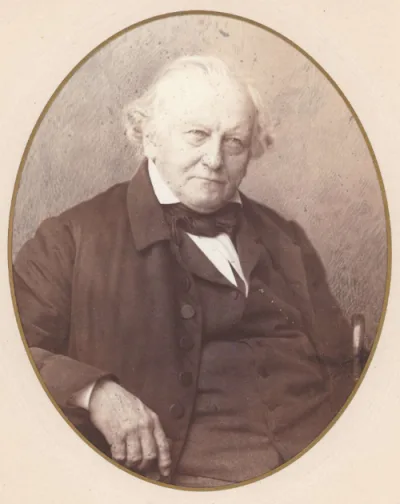
Ludovico Lazzarelli
Ludovico Lazzarelli is identified as a potential inspirer behind the Sola Busca tarot, a significant 15th-century deck linked to hermetic-alchemical traditions.
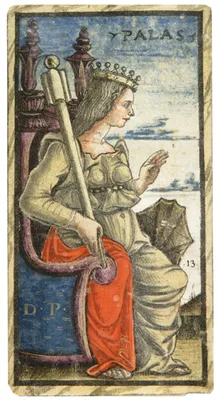
Ludovico Lazzarelli is associated with the Sola Busca tarot, a unique 78-card tarot deck created in the late 15th century. This deck is notable as the earliest complete extant tarot, featuring illustrated plain suit cards and trump illustrations that diverge from traditional iconography. The cards are numbered, with Roman numerals for trumps and Arabic for pips. While the artist remains unknown, research in 2012 suggested Nicola di Maestro Antonio as the engraver and Ludovico Lazzarelli as a potential inspirer for the hand-painted version, executed in Venice in 1491. The deck's connection to hermetic-alchemical traditions is considered established, particularly through figures like the King of Swords, Alecxandro M., who is linked to a legend about alchemy in the medieval manuscript "Secretum secretorum."
The Sola Busca Tarot and Hermeticism
The Sola Busca tarot, a 78-card deck from the late 15th century, stands out for its complete set of illustrated cards and its departure from standard tarot imagery. Research conducted around 2012 suggested that Ludovico Lazzarelli may have been an inspirer for the deck, which has been definitively linked to hermetic-alchemical traditions. This connection is exemplified by the King of Swords card, titled Alecxandro M., referencing a legend from the "Secretum secretorum" manuscript concerning alchemy. Other figures on the cards, such as the Knight of Swords (Amone, linked to Zeus Ammon) and the Queen of Swords (Olympias, Alexander's mother, known for sorcery), also draw from hermetic and esoteric lore, further reinforcing the deck's mystical underpinnings.
Artistic and Historical Context
The Sola Busca tarot is distinguished by its high-quality artwork, characterized by precise engraving, shading, and expressive figures. While the artist is unknown, the engravings were likely made in the late 15th century. A complete hand-painted deck is housed at the Brera Museum in Milan, tracing its provenance to the Busca-Serbelloni family. Uncolored cards are held by various institutions, including the Albertina Museum in Vienna and the British Museum. The deck's numbering system, with Roman numerals on trumps and Arabic on pips, is also a unique feature compared to earlier decks like the Visconti-Sforza. The deck's visual style, particularly in the Minor Arcana, has led some scholars to propose it as an influence on the Rider-Waite-Smith tarot deck.
Key Ideas
- The Sola Busca tarot is linked to hermetic-alchemical traditions.
- The deck features unique iconography and characters related to classical and esoteric figures.
- Ludovico Lazzarelli is considered a potential inspirer for the deck's esoteric themes.
Books by Ludovico Lazzarelli
2 free public domain books · Read online or download