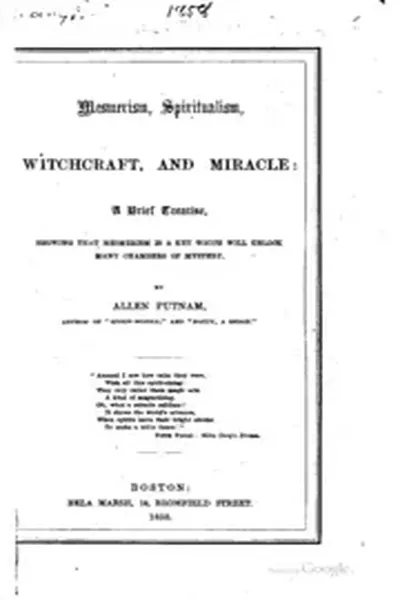
Allen Putnam, Harry Houdini Collection (Library of Congress
Norman Mailer was a prolific American author, journalist, and filmmaker known for his innovative approach to nonfiction and controversial commentary.
Norman Mailer, born Nachem Malech Mailer in 1923, was an influential American writer, journalist, and filmmaker whose career spanned over six decades. He achieved early fame with his 1948 novel "The Naked and the Dead" and later won Pulitzer Prizes for both nonfiction with "The Armies of the Night" (1968) and fiction with "The Executioner's Song" (1979). Mailer is recognized as a pioneer of "New Journalism" or "creative nonfiction," a style that blends literary techniques with factual reporting. He was also a prominent cultural critic, known for his often provocative views expressed across various media, including essays like "The White Negro." Mailer was also a co-founder of the arts and politics weekly, The Village Voice.
Throughout his career, Mailer explored a wide range of themes in his novels, often drawing from his own experiences and observations of American society. His work frequently tackled issues of war, politics, sexuality, and the human condition, pushing literary boundaries with experimental prose and unflinching portrayals of complex characters. Beyond his literary contributions, Mailer engaged actively in public life, including an unsuccessful bid for Mayor of New York City. He was married six times and had nine children, passing away in 2007.
Literary Innovations and Philosophical Musings
Norman Mailer was a significant figure in the development of "New Journalism," a genre that infused factual reporting with the narrative techniques and stylistic flair of fiction. Alongside contemporaries like Joan Didion and Tom Wolfe, Mailer utilized this approach to explore the complexities of modern American life. His essay "The White Negro" (1957) is particularly notable, delving into the concept of the "hipster" as a figure resisting societal conformity and embracing a form of "American existentialism." This essay, considered highly controversial and widely anthologized, was a key part of his development of a distinctive authorial voice, which he described as his "breakthrough work." Mailer's writing often grappled with profound existential questions, societal pressures, and the search for meaning in a rapidly changing world, making his work a rich ground for exploring philosophical and countercultural ideas.
Notable Literary Works and Critical Reception
Mailer's literary output was extensive, beginning with his breakout novel "The Naked and the Dead" (1948), which depicted American soldiers in World War II and became a major bestseller. His subsequent novels, such as "The Armies of the Night" (1968) and "The Executioner's Song" (1979), garnered significant critical acclaim, earning him Pulitzer Prizes. Other significant works include "An American Dream" (1965), "The Deer Park" (1955), and "Why Are We in Vietnam?" (1967), the latter praised for its experimental prose. His later novels, like "Ancient Evenings" (1983) and "Harlot's Ghost" (1991), continued to explore ambitious themes and historical narratives, though critical reception varied. His final novel, "The Castle in the Forest" (2007), focused on Hitler's childhood and received positive reviews, intended as the first in a trilogy.
Key Ideas
- New Journalism/Creative Nonfiction: Blending literary style with factual reporting.
- The Hipster: A figure of resistance against societal conformity, embodying existentialism.
- American Existentialism: A philosophical concept explored through countercultural figures.
Notable Quotes
“The army was "the worst experience of my life, and also the most important".”
“Advertisements for Myself, which he described as "The first work I wrote with a style I could call my own."”
Books by Allen Putnam, Harry Houdini Collection (Library of Congress
9 free public domain books · Read online or download