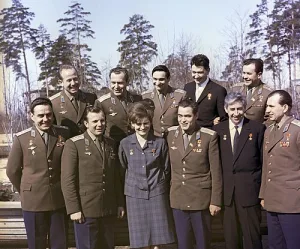
Konstantin Serebrov
Konstantin Serebrov was involved in Soviet dissident movements advocating for human rights and challenging state ideology.
Konstantin Serebrov was associated with the Soviet dissident movement, a group of intellectuals who opposed aspects of Soviet ideology or the system entirely. These individuals often faced severe repercussions from the authorities, including criminal prosecution, exile, or confinement in psychiatric hospitals. The dissident movement aimed to inform society about human rights violations and to advocate for these rights, often through circulating samizdat literature and appealing to international bodies. Despite facing brutal suppression, the movement raised awareness of abuses within the Soviet Union and abroad. Serebrov's involvement places him within this context of intellectual and political opposition during the Soviet era, where challenging the state carried significant personal risk.
Context of Soviet Dissidence
In the Soviet Union, dissidents were individuals who voiced disagreement with the prevailing ideology or the state's policies. This movement gained prominence from the mid-1960s until the fall of communism. Dissidents were often marginalized intellectuals who challenged the Soviet regime through various means, from subtle critiques to more radical opposition. Their actions typically resulted in severe consequences, including criminal charges, imprisonment, exile, or forced psychiatric treatment. The core of dissident activity involved disseminating information about human rights violations and organizing to defend those rights, both domestically and internationally. This effort aimed to counter the state's narrative and expose the realities of Soviet governance.
Methods of Opposition and Repression
The dissident movement employed various strategies to challenge the Soviet authorities. These included public poetry readings where critical underground writings were shared, petitioning campaigns for the release of imprisoned writers and activists, and silent demonstrations urging adherence to the constitution. The underground publication 'Chronicle of Current Events' played a crucial role in documenting human rights abuses and protest activities. In response, the Soviet state utilized legal sanctions, often under vague articles of the Criminal Code, and employed tactics like diagnosing dissent as mental illness to discredit opposition. Individuals faced a stark choice between exile, labor camps, or psychiatric confinement, effectively silencing their criticism.
The Helsinki Accords and International Attention
The 1970s marked a significant period for the dissident movement, particularly following the signing of the Helsinki Accords. Dissidents in the Soviet Union and other Eastern Bloc countries used the Accords to demand that their governments uphold commitments to human rights. This led to increased repression, with many members of Helsinki Watch Groups facing arrest, imprisonment, and exile. International attention, including statements from figures like U.S. President Jimmy Carter, brought further scrutiny to the Soviet Union's human rights record. However, the KGB used this attention to portray dissent as foreign-inspired espionage, intensifying its efforts to suppress activists like Orlov, Ginzburg, and Shcharansky.
Key Ideas
- Challenging Soviet ideology and state policies through intellectual and public means.
- Documenting and exposing human rights violations within the USSR.
- Advocating for universal human rights against state repression.
- The use of legal and psychiatric means by the state to silence dissent.
Notable Quotes
“If we accept human rights violations as just "their way" of doing things, then we are all guilty.”
Books by Konstantin Serebrov
2 free public domain books · Read online or download