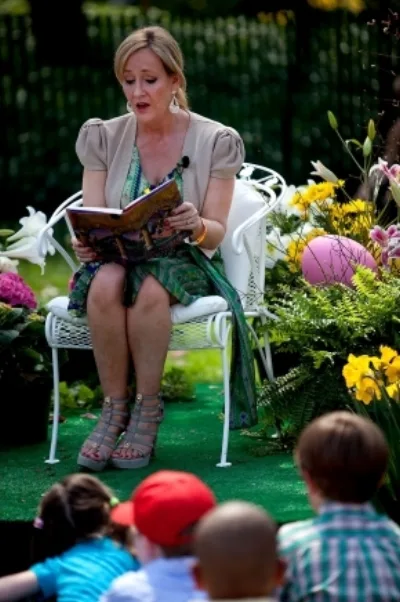
✍️ Author Biography
Kelly Regan Barnhill
📅 1973
🌍 American
📚 4 free books
⭐ Known for: The Girl Who Drank the Moon (2016)
Kelly Barnhill is an award-winning author of children's literature, fantasy, and science fiction, known for drawing on personal experience.
Kelly Regan Barnhill, born in 1973, is an American author recognized for her contributions to children's literature, fantasy, and science fiction. Her novel, "The Girl Who Drank the Moon," earned her the prestigious 2017 Newbery Medal. Kirkus Reviews also acknowledged her work, naming "When Women Were Dragons" among the best science fiction and fantasy books of 2022.
Barnhill's writing is deeply influenced by her own life experiences and observations, as well as by authors like Ray Bradbury and the rich tradition of fairytales. She has spoken about feeling like an outsider in her youth, experiencing bullying, and transferring to an all-girls Catholic school. These feelings of insecurity, social awkwardness, and the search for belonging are often reflected in her characters and narratives, such as in "When Women Were Dragons," where the protagonist navigates similar feelings of isolation and explores themes of activism and changing gender roles.
Her personal experiences have also directly inspired specific scenes and messages in her books. For instance, a poignant scene in "The Girl Who Drank the Moon" depicting a mother separated from her child was drawn from Barnhill's time volunteering at a battered women's shelter. This highlights her approach to using personal insights to convey powerful emotions and messages to readers. Barnhill has received numerous accolades and fellowships throughout her writing career.
Inspiration and Personal Influence
Kelly Barnhill's creative process is significantly shaped by her personal history and emotional landscape. She often draws inspiration from her own feelings and observations, finding fertile ground for storytelling in her past. Barnhill has cited author Ray Bradbury and the timeless appeal of fairytales as key influences on her work. Her own experiences with loneliness and social awkwardness during middle school, which led to bullying and a transfer to an all-girls Catholic school, have found their way into her narratives. This sense of insecurity and the subsequent search for a more comfortable environment is a recurring theme, particularly evident in "When Women Were Dragons," where the protagonist experiences similar isolation and explores complex social dynamics.
Themes of Activism and Transformation
Barnhill's experiences at her new school, where she encountered powerful examples of activism, also permeate her writing. The memory of a principal who had marched with Martin Luther King Jr. introduced her to the concept of activism as an integral part of everyday life. This theme is powerfully represented in "When Women Were Dragons," where women transform into dragons to assert their place in society and fight for equality. This metaphorical "dragoning" signifies a profound societal shift, challenging traditional gender roles and impacting the entire community. Barnhill's ability to weave these potent social and personal themes into fantastical narratives offers readers compelling explorations of empowerment and change.
Empathy and Social Commentary
The profound impact of personal experiences on Barnhill's writing is further exemplified by her work at a battered women's shelter. Witnessing a mother's desperate plea for her sick child, denied medical care, directly informed a scene in "The Girl Who Drank the Moon" where a baby is taken from its mother. This intersection of her volunteer work with her creative output underscores her commitment to conveying deep emotion and social messages through her stories. Barnhill's writing serves as a vehicle for exploring themes of vulnerability, resilience, and the human condition, often drawing from her direct encounters with hardship and the strength of the human spirit.
Key Ideas
- Personal experiences and emotions as primary sources of inspiration.
- Exploration of social awkwardness, bullying, and the search for belonging.
- Themes of activism, empowerment, and challenging societal norms, particularly gender roles.
- The transformative power of collective action and individual resilience.
- Using narrative to convey empathy and social commentary.