Kathryn McCusker
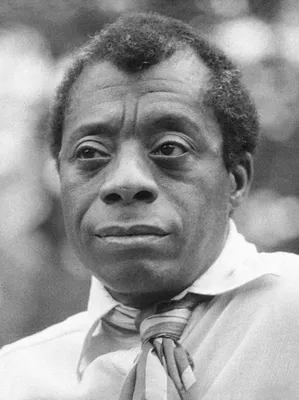
James Baldwin was an influential American writer and activist known for his explorations of race, sexuality, and social issues.
James Arthur Baldwin, born August 2, 1924, was an acclaimed American writer and civil rights activist. His body of work includes essays, novels, plays, and poems that critically examined societal structures and personal identity. Baldwin's writing often delved into themes of race, class, sexuality, and masculinity, influencing both the civil rights and gay liberation movements. His powerful oratory and public presence made him a significant figure during the mid-20th century American civil rights movement.
Baldwin's early life was shaped by his experiences growing up in Harlem, navigating complex family dynamics, and facing poverty and discrimination. Despite a challenging upbringing, his intellectual gifts were recognized early by teachers who encouraged his writing. He found solace and inspiration in libraries and through early literary and theatrical experiences. His personal struggles with identity, particularly his attraction to men, led him to seek refuge in religion before he moved to France, where he began to develop his distinctive literary voice.
Literary and Activist Impact
James Baldwin achieved widespread recognition for his profound contributions to literature and his dedicated activism. His 1953 novel, "Go Tell It on the Mountain," was later recognized by Time magazine as a significant English-language novel. The 1955 essay collection, "Notes of a Native Son," solidified his standing as a prominent voice advocating for human equality. Baldwin's 1965 debate with William Buckley is considered a landmark discussion on race in America. His skills as a public speaker and orator were particularly impactful during the civil rights era, establishing him as a vital public figure.
Exploration of Identity and Society
Baldwin's fiction consistently probed fundamental personal questions and the dilemmas individuals face within intricate social and psychological contexts. His narratives masterfully wove together themes of masculinity, sexuality, race, and class, leaving a lasting influence on both the civil rights and gay liberation movements of the mid-20th century. While his protagonists were frequently African-American, his work also prominently featured gay and bisexual male characters, as seen in his 1956 novel "Giovanni's Room." These characters often grappled with internal conflicts and external barriers in their pursuit of self-acceptance and societal integration.
Enduring Legacy and Adaptations
The impact of Baldwin's work continues to resonate, inspiring contemporary artists and writers. His unfinished manuscript, "Remember This House," was transformed into the acclaimed 2016 documentary "I Am Not Your Negro," which received a BAFTA Award. Further testament to his enduring relevance, his 1974 novel "If Beale Street Could Talk" was adapted into a well-received 2018 film of the same title, underscoring the timeless quality of his storytelling and social commentary.
Early Life and Influences
Born James Arthur Jones on August 2, 1924, in Harlem, New York, Baldwin was the son of Emma Berdis Jones. His mother, who had moved north from Maryland to escape racial segregation, raised him initially as a single mother before marrying David Baldwin, a laborer and Baptist preacher, in 1927. James adopted his stepfather's surname. His relationship with David Baldwin was fraught with difficulty, marked by his stepfather's strict religious views and potential resentment towards Baldwin's intellectual pursuits and friendships. This strained dynamic, alongside the pervasive poverty and discrimination he witnessed, significantly shaped his early life and worldview.
Education and Literary Awakening
Baldwin's early education at Public School 24 in Harlem exposed him to educators who recognized and nurtured his burgeoning talent. Gertrude E. Ayer, the school's principal, and other teachers encouraged his writing, with some noting his skill mirrored his mother's. By fifth grade, he had already engaged with significant literary works. His teachers directed him to the Harlem branch of the public library, which became a crucial sanctuary for his intellectual development. Encounters with figures like schoolteacher Orilla "Bill" Miller and poet Countee Cullen further fueled his literary aspirations, including a desire to become a playwright and live in France. He later attended Frederick Douglass Junior High School and De Witt Clinton High School, where he honed his writing skills and contributed to school publications, graduating in 1941 with ambitions of becoming a novelist and playwright.
Key Ideas
- Exploration of the intersection of race, sexuality, class, and masculinity
- Critique of social and psychological pressures within complex societies
- Themes of self-acceptance and societal integration for marginalized individuals
- The role of religion and spirituality in navigating identity
Notable Quotes
“in his outrageously demanding and protective way, he loved his children, who were black like him and menaced like him.”
Books by Kathryn McCusker
2 free public domain books · Read online or download