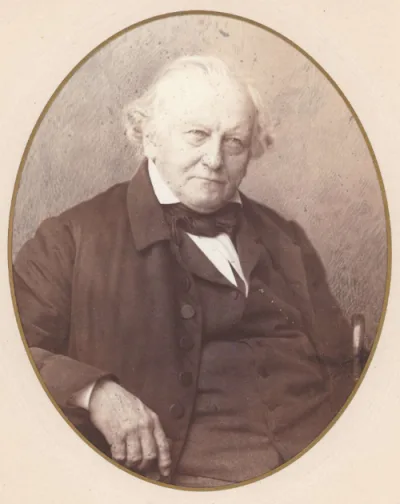
Josephine Ellershaw
University College, Durham, founded in 1832 within Durham Castle, fosters traditional academic and social customs.
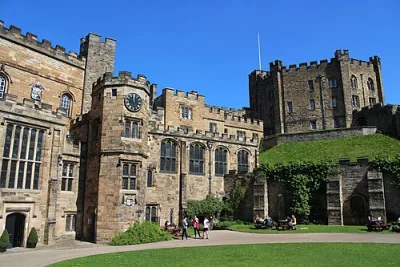
University College, informally known as Castle, is the oldest constituent college of Durham University, established in 1832 by William van Mildert, Bishop of Durham. It is centered around Durham Castle, a historic building dating back to 1072, which now houses approximately 150 students. Additional college accommodations are located in nearby buildings. The college accommodates 700 undergraduates and is known for being the most over-subscribed at the university. In 1987, it began admitting women, transitioning from its previous all-male status.
Castle maintains a traditional atmosphere, with regular formal dinners held in its Great Hall, requiring academic gowns and the recitation of grace in Latin. The college also hosts formal events like the June Ball. The college's history includes periods of financial struggle and the need for extensive renovations, particularly to the castle structures. It has evolved significantly since its inception, adapting to changing student numbers and university policies.
Founding and Early Development
Founded in 1832 alongside Durham University, University College, or Castle, was the university's inaugural college, established on the Oxbridge model. Its home, Durham Castle, served for centuries as the Bishop of Durham's palace until the residence moved in 1832. Bishop William van Mildert intended the castle for the college, and after renovations by his successor Edward Maltby, students moved in during 1837. The castle's keep was redeveloped for student use, alongside the restoration of the college's chapels and Great Hall. The university faced challenges regarding prestige and location, and by 1882, Castle housed 79 undergraduates out of the university's total of 205. Bishop Cosin's Hall was absorbed into University College in 1864 due to financial difficulties.
Mid-20th Century Transformations
The inter-war period saw Castle as the smallest college in Durham University, facing significant maintenance costs and structural concerns with the castle buildings. The threat of closure or merger with Hatfield Hall loomed, but charitable donations and a visit from Edward, Prince of Wales, in the 1920s helped secure its future. Foundations were reinforced with concrete, and extensive refurbishments in the 1920s and 1930s enabled expansion. During World War II, the castle hosted personnel from the Durham University Air Squadron. Post-war, Lumley Castle was purchased in 1946 to house students, fostering a distinct spirit remembered through activities like the Lumley Run. Expansion continued with developments at Owengate and Bailey Court in the 1950s and 1960s, followed by Moatside Court in the 1970s.
Modern Era and Traditions
In 1987, Castle began admitting female undergraduates, marking a shift from its previous all-male status. The college has since become fully mixed, with undergraduate numbers growing to nearly seven hundred. Strains on accommodation arose, notably in 2004 when not all fresher students could be housed. The opening of Josephine Butler College in 2006 eased pressure, leading to intentional reductions in undergraduate numbers. The college expanded again in the 2010s with the addition of Kepier Court. Castle fosters traditional practices, including formal dinners requiring academic gowns and the recitation of Latin grace. Its official college arms, granted in 1912, feature symbols of the Diocese of Durham and the motto 'Non nobis solum' ('Not for ourselves alone'), derived from Cicero.
Key Ideas
- Traditional collegiate atmosphere
- Emphasis on formal dining and academic dress
- Historical preservation and adaptation of university buildings
- Evolution of student demographics and accommodation policies
Notable Quotes
“Non nobis solum”
Books by Josephine Ellershaw
4 free public domain books · Read online or download