Horowitz, Isaiah, I. Horowitz, Rabbi I. Horowitz
Rabbi Isaiah Horowitz was a mystic and author, known for his Kabbalistic work 'Shelah', influencing Hasidic thought.
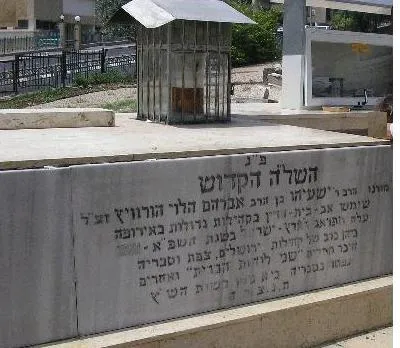
Isaiah Horowitz, also known as the "holy Shelah" after his most famous book, was a significant rabbi and mystic in the late 16th and early 17th centuries. Born in Prague around 1555, he received a thorough Jewish education from his father and prominent rabbis. He was a wealthy philanthropist who actively supported Torah scholarship. Horowitz held rabbinical positions in various European cities, including Frankfurt and Prague. Following his wife's death, he moved to the Land of Israel in 1621, serving the Ashkenazi community in Jerusalem before eventually settling in Safed and Tiberias, where he died in 1630.
His teachings emphasized finding joy in all actions and transforming negative inclinations into positive ones, ideas that left a lasting mark on Jewish thought and the development of Hasidic Judaism. His major work, "Shenei Luḥot HaBerit" (Shelah), is a comprehensive compilation of Jewish law, ethics, and mysticism. He also authored a prayer book, "Sha'ar ha-Shamayim," and a special prayer for the welfare of children, "Tefillat HaShlah," which remains popular.
Mystical Teachings and Kabbalistic Influence
Isaiah Horowitz was a deeply influential mystic whose Kabbalistic insights profoundly shaped Jewish thought. His teachings centered on the concept of finding spiritual significance and joy in everyday actions, urging individuals to channel their "evil inclination" towards positive spiritual growth. These philosophical underpinnings resonated strongly with the emerging Hasidic movement, contributing to its theological framework. His most significant literary contribution, "Shenei Luḥot HaBerit" (Shelah), served as a cornerstone for understanding Jewish tradition through the lens of mysticism, ethics, and ritual. This encyclopedic work, compiled from both Written and Oral Torah traditions, was designed to offer a comprehensive guide to Jewish life, emphasizing a holistic approach to spiritual practice.
Life and Rabbinical Career
Born in Prague around 1555, Isaiah Horowitz received his early education from his father, Avraham ben Shabtai Sheftel Horowitz, a respected scholar. He furthered his studies under renowned rabbis such as Meir Lublin and Joshua Falk. Beyond his scholarly pursuits, Horowitz was a generous philanthropist, dedicating significant resources to the support of Torah study. His rabbinical career saw him serve in prominent communities across Europe, including appointments as Av Beit Din in Austria and Rabbi of Frankfurt. He was also involved in communal governance, participating in the Council of Four Lands. After a period of upheaval in Prague, he relocated to the Land of Israel in 1621, where he continued his rabbinical work in Jerusalem and later Safed, before his passing in Tiberias in 1630.
Major Works and Legacy
Rabbi Horowitz's magnum opus is "Shenei Luḥot HaBerit" (Two Tablets of the Covenant), commonly known as the Shelah. This extensive work, first published posthumously by his son, explores ritual, ethics, and Kabbalah, drawing from the entirety of Jewish tradition. It became a foundational text for many, particularly influencing early Hasidic leaders like the Baal Shem Tov and Shneur Zalman of Liadi. Horowitz also compiled the "Sha'ar ha-Shamayim" siddur, a prayer book that impacted later Ashkenazi liturgical practices. He is also remembered for "Tefillat HaShlah," a specific prayer composed for the eve of the first day of Sivan, intended to ensure the well-being of descendants, a custom still observed by many.
Key Ideas
- Finding joy in all actions
- Transforming the evil inclination into good
Books by Horowitz, Isaiah, I. Horowitz, Rabbi I. Horowitz
2 free public domain books · Read online or download