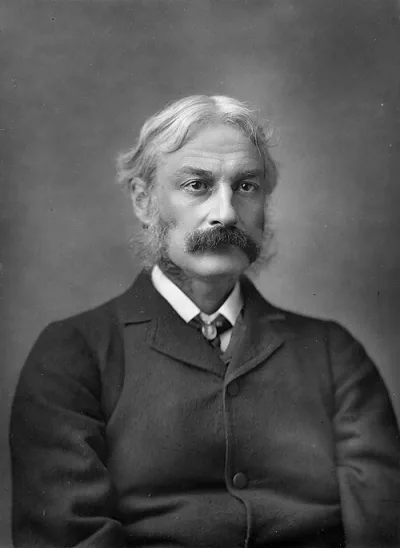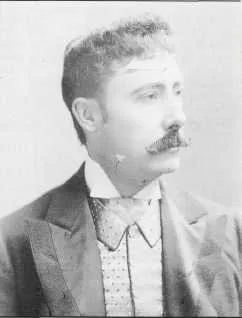
Grierson, Francis
Francis Grierson was a composer, pianist, and writer known for his spiritualist writings and engagement with esoteric ideas.
Benjamin Henry Jesse Francis Shepard (1848–1927), who adopted the pen name Francis Grierson, was an English-born composer, pianist, and writer. After migrating to Illinois as an infant, he experienced significant events like the Lincoln-Douglas debates, which later influenced his writing. Grierson gained recognition in Europe, impressing figures like Alexandre Dumas fils and performing for royalty. He developed an interest in Spiritualism in Russia during the 1870s, believing spirits of famous composers channeled through him during his musical performances. While his personal life, including his long-term relationship with Lawrence Waldemar Tonner, has been a subject of historical discussion regarding his sexuality, Grierson's public persona was centered on his artistic and mystical pursuits.
Grierson's literary output spanned spiritualist themes, historical observations, and sociopolitical commentary. His fictionalized autobiography, "The Valley of Shadows," explored the American Midwest and Abraham Lincoln through a mystical lens. He also wrote on strengthening Anglo-American ties, though his views on race and his anti-German sentiments were also present in his work. Despite periods of success and patronage, including a notable period living in San Diego's Villa Montezuma, Grierson faced financial hardship in his later years. He died in Los Angeles in 1927, reportedly immediately after a piano performance, with his longtime companion Tonner by his side. His body was cremated.
Spiritualism and Musical Performance
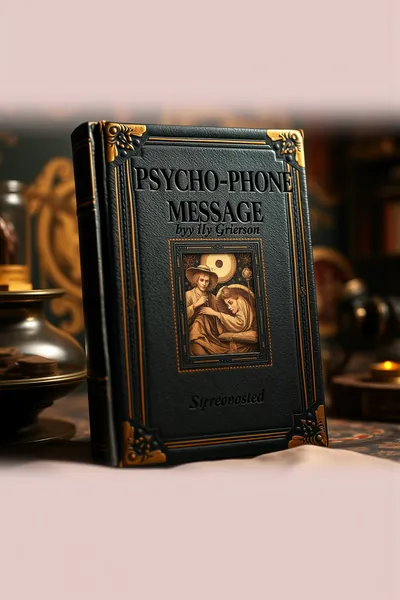
Francis Grierson became deeply involved with Spiritualism during his time in Russia in the 1870s. He asserted that his musical talents, particularly his piano performances, were not solely his own but were influenced by the spirits of renowned composers channeling through him. This belief infused his artistic presentations with a layer of the supernatural and esoteric, suggesting a conduit between the earthly realm and the spiritual world of music. His engagement with Spiritualism was a significant aspect of his life and work, informing his worldview and artistic expression. He continued to write on spiritualist topics throughout his career, with works like "Modern Mysticism and Other Essays" (1899) and "Psycho-Phone Messages" (1921) reflecting this ongoing interest.
Writings on Mysticism and History
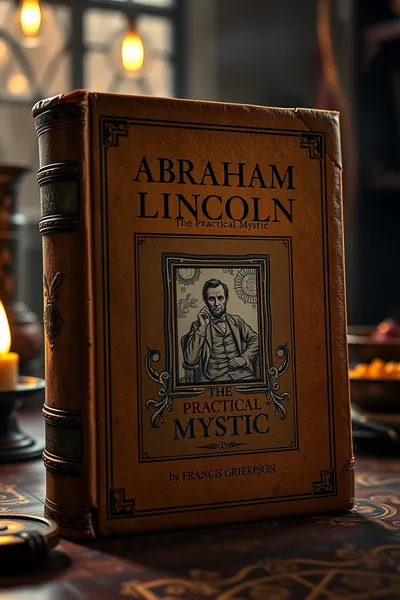
Grierson's literary contributions often blended historical observation with mystical interpretation. His fictionalized autobiography, "The Valley of Shadows" (1909), provided a unique perspective on the American Midwest and famously portrayed Abraham Lincoln as a mystic, whose significance was foreshadowed by celestial events like Comet Donati in 1858. He further developed this theme in "Abraham Lincoln, the Practical Mystic" (1918). These works suggest a worldview that saw profound spiritual underpinnings in historical figures and events, viewing them through a lens of prophecy and esoteric significance. His writings aimed to uncover deeper, often hidden, meanings in the fabric of history and human experience.
Sociopolitical Views and Cultural Commentary
Beyond his spiritual and historical writings, Grierson also expressed distinct sociopolitical views. In works such as "The Invincible Alliance" (1913), he advocated for closer ties between Britain and America, seeing this union as crucial for defending Western civilization. However, these views were intertwined with the prevailing "Yellow Peril" ideology, expressing anxieties about Asian populations. He also held strong anti-German sentiments, frequently criticizing German culture and the "Teutonic race" in his writings, often contrasting them with the "Celtic race." His book "Illusions and Realities of the War" (1918) reiterated the necessity of Anglo-American unity to avert future global conflicts, reflecting a nationalistic and culturally specific perspective on international relations.
Key Ideas
- Spiritual channeling of famous composers during musical performances
- Abraham Lincoln as a mystic figure
- Advocacy for Anglo-American alliance
- Belief in the "Celtic race" versus the "Teutonic race"
Books by Grierson, Francis
0 free public domain books · Read online or download