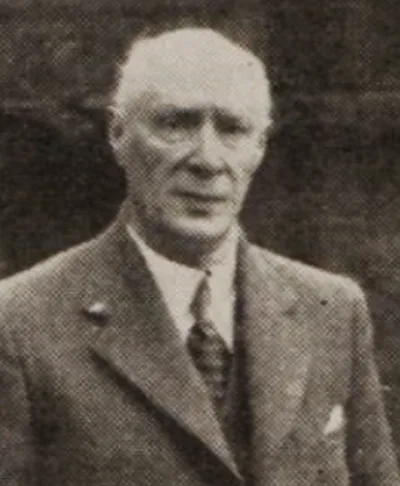
✍️ Author Biography
George Webbe Dasent
📅 1817 – 1896
🌍 British
📚 2 free books
⭐ Known for: The Prose or Younger Edda (1842)
George Webbe Dasent was a British lawyer and translator of Norse sagas and folklore, influencing literary studies.
George Webbe Dasent (1817–1896) was a British lawyer, journalist, and significant translator of Scandinavian literature. Born in the West Indies, he was educated at prominent English institutions before embarking on a diplomatic posting in Stockholm. There, he developed a deep interest in Norse mythology and literature, inspired by Jakob Grimm. This led to his early translations of key Norse texts, including The Prose or Younger Edda.
Returning to England, Dasent became assistant editor of The Times, where his connections influenced the paper's foreign policy. Despite his journalistic career, he continued his scholarly pursuits, translating numerous Norse stories. He also qualified as a lawyer. His most celebrated work, "The Story of Burnt Njal," a translation of an Icelandic saga, was published in 1861 and fostered considerable interest in Icelandic literature. Dasent's work has been recognized for its influence on later scholars, including J.R.R. Tolkien.
Literary Contributions and Scholarly Pursuits
George Webbe Dasent's career was marked by a dual focus on journalism and the translation of Norse sagas and folklore. His initial foray into Scandinavian studies began in Stockholm, where he met Jakob Grimm, who encouraged his interest in Norse mythology. Dasent's early translations, such as "The Prose or Younger Edda" (1842) and a translation of Rask's Icelandic grammar (1843), laid the groundwork for his later, more extensive contributions. Upon returning to England and joining The Times, he continued to engage with these studies, publishing various translations of Norse stories. His academic work also included a professorship in English literature and modern history at King's College London. His 1859 publication, "Popular Tales from the Norse," introduced Norwegian folktales to an English audience, accompanied by a significant essay on the origins of such tales.
Key Translations and Icelandic Literature
Dasent's translation of "The Story of Burnt Njal" (1861), based on the Icelandic Njal's Saga, is considered his most significant achievement. He had initially attempted this translation during his time in Stockholm. The publication of "The Story of Burnt Njal" is credited with establishing a sustained interest in Icelandic literature among English readers, paving the way for subsequent translations. Dasent's visit to Iceland in 1861-1862 further solidified his connection to the region, where he was welcomed by enthusiasts of the sagas. Following this visit, he published "Gisli the Outlaw" (1866), another important translation from Icelandic literature. These works provided crucial access to Norse and Icelandic narratives for a wider audience.
Influence and Legacy
George Webbe Dasent's translations and scholarly work had a notable impact on later literary figures. J.R.R. Tolkien, a renowned scholar of Anglo-Saxon and Norse literature, cited Dasent's translation of the story 'Soria Moria Castle' as a potential source for the name 'Moria' in "The Lord of the Rings." Tolkien also drew upon Dasent's approach to literary analysis, using the metaphor of 'soup' and 'bones' to discuss the relationship between a story and its source materials, advocating for the appreciation of the narrative itself. Dasent's efforts in translating and popularizing Norse sagas and folktales were instrumental in bridging cultural and literary understanding between Britain and Scandinavia.