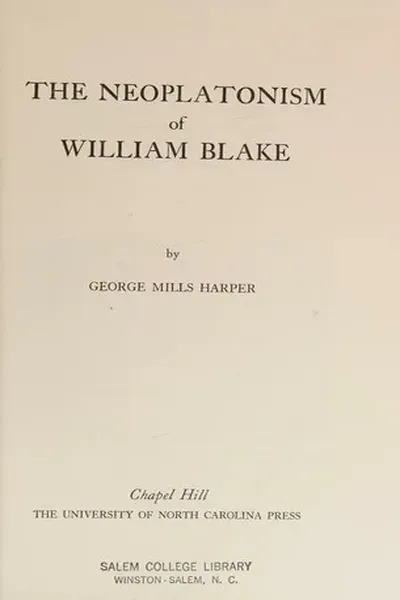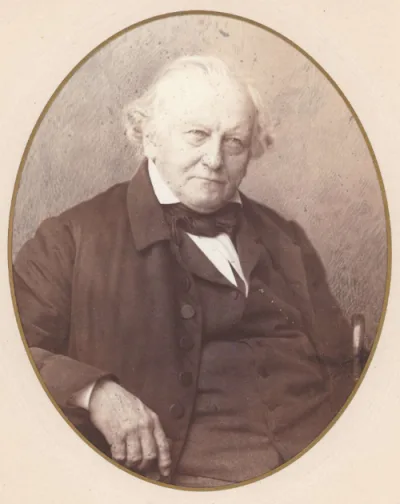
George Mills Harper
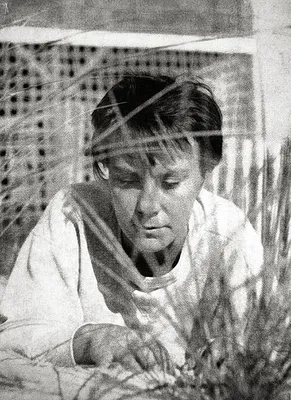
Harper Lee, author of 'To Kill a Mockingbird,' was an American novelist known for her classic work exploring themes of justice and prejudice.
Nelle Harper Lee, born in 1926 and passing in 2016, was an American novelist celebrated for her seminal 1960 work, 'To Kill a Mockingbird.' This novel, which earned the Pulitzer Prize in 1961, has become a cornerstone of modern American literature. Lee's writing was deeply influenced by her upbringing in Monroeville, Alabama, drawing on observations of her family, neighbors, and a significant childhood event from 1936. The novel itself delves into the pervasive issues of racial prejudice and the irrationality of adult perspectives on race and class in the Deep South during the 1930s, all seen through the innocent eyes of children.
Beyond her most famous novel, Lee offered assistance to her friend Truman Capote with his research for 'In Cold Blood.' In 2015, a manuscript initially drafted before 'To Kill a Mockingbird,' titled 'Go Set a Watchman,' was published. Lee's contributions were recognized with numerous honors, including the Presidential Medal of Freedom in 2007. She studied law before dedicating herself to writing, ultimately leaving her academic pursuits unfinished to pursue her literary ambitions.
Literary Beginnings and Influences
Nelle Harper Lee was born in Monroeville, Alabama, the youngest of four children. Her father, a lawyer and former newspaper editor, instilled in her an early connection to the legal world and public discourse. Lee's education included a period studying law at the University of Alabama, where she also contributed to university publications. Despite leaving her law studies short of completion, her interest in literature flourished, partly due to a formative high school teacher. Her formative years in Monroeville, surrounded by her family and community, provided the rich backdrop and observational material that would later inform her most famous novel. Her close childhood friendship with Truman Capote, who also spent summers in Monroeville, proved to be a significant personal and creative connection.
The Genesis of 'To Kill a Mockingbird'
After moving to New York City and working various jobs, Lee dedicated her spare time to writing. She found an agent in 1956 and, with the generous support of friends who provided her with a year's wages, focused intensely on her writing. Her initial manuscript, sent to publishers in 1957, was eventually acquired by J. B. Lippincott Company. Editor Tay Hohoff recognized Lee's talent but saw the manuscript as a collection of anecdotes rather than a cohesive novel. Over the next two years, Hohoff guided Lee through extensive revisions, transforming the work into the structured narrative that became 'To Kill a Mockingbird.' Lee adopted the pen name Harper Lee to avoid her first name, Nelle, being mispronounced.
Themes and Impact
Published in 1960, 'To Kill a Mockingbird' immediately achieved bestseller status and critical acclaim, securing the Pulitzer Prize for Fiction in 1961. The novel is celebrated for its powerful exploration of themes such as racial injustice, moral courage, and the loss of innocence in the American South. Through the eyes of young Scout Finch, the narrative confronts the deep-seated prejudices and social inequalities of the era. The characters and plot are widely understood to be inspired by Lee's own experiences and observations in her hometown. The novel's enduring legacy is cemented by its continued relevance and its profound impact on discussions about justice and empathy.
Later Life and Legacy
Following the immense success of 'To Kill a Mockingbird,' Lee largely retreated from public life, valuing her privacy. She assisted her friend Truman Capote in his research for 'In Cold Blood,' a project that drew them closer initially but eventually strained their friendship. Lee also contributed to the screenplay adaptation of her novel, which won an Academy Award. In her later years, she received significant recognition, including the Presidential Medal of Freedom. The posthumous publication of 'Go Set a Watchman' in 2015 offered a new perspective on her earlier work. Lee passed away in 2016, leaving behind a literary legacy that continues to resonate deeply.
Key Ideas
- Exploration of racial prejudice and injustice in the American South
- Themes of moral courage and empathy
- Coming-of-age narrative through a child's perspective
- Critique of societal hypocrisy and irrationality
Notable Quotes
“I never expected any sort of success with Mockingbird. I was hoping for a quick and merciful death at the hands of the reviewers, but at the same time I sort of hoped someone would like it enough to give me encouragement. Public encouragement. I hoped for a little, as I said, but I got rather a whole lot, and in some ways this was just about as frightening as the quick, merciful death I'd expected.”
“I was a first-time writer, so I did as I was told.”
“I think it is one of the best translations of a book to film ever made.”
Books by George Mills Harper
7 free public domain books · Read online or download