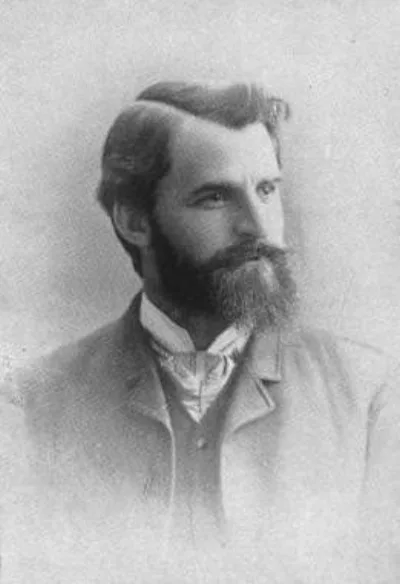
Garland, Hamlin
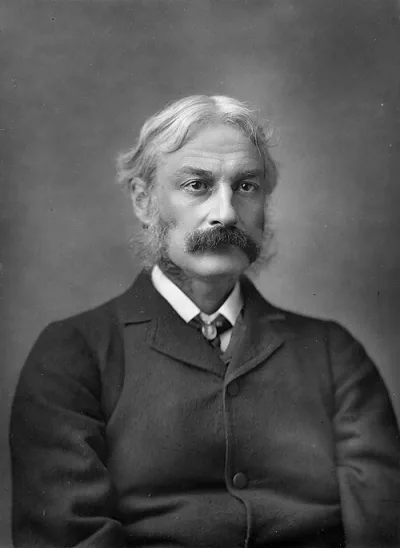
Hamlin Garland was an American author known for depicting Midwestern farm life and later for his interest in psychical research.
Hannibal Hamlin Garland, born in 1860, was an American writer recognized for his portrayals of hardworking Midwestern farmers. His early life on various farms deeply influenced his literary output, including notable works like "Main-Travelled Roads." Garland eventually settled in Boston, where he became interested in the economic theories of Henry George and incorporated them into his writing. He later moved to Chicago, becoming a significant figure in its literary scene. Throughout his career, Garland was a prolific author, publishing novels, short stories, and essays. He achieved considerable success, earning a Pulitzer Prize for his autobiography, "A Daughter of the Middle Border."
In his later years, Garland relocated to California and dedicated himself to the study of psychic phenomena. This interest, which began in 1891, culminated in his final book, "The Mystery of the Buried Crosses," where he sought to validate psychic research. Garland maintained a disciplined writing routine and had a wide circle of friends in literary and public life. He died in 1940, leaving behind a legacy that encompasses both his realistic depictions of American rural life and his explorations into the esoteric.
Literary Career and Midwestern Themes
Hamlin Garland's literary career was significantly shaped by his upbringing on Midwestern farms. He is best known for his fiction that captured the challenging lives of these rural inhabitants. His early success came with the short story collection "Main-Travelled Roads," which drew directly from his experiences. Garland's time in Boston exposed him to the ideas of Henry George and his Single Tax Movement, influencing works such as "Prairie Folks" and "Jason Edwards." He also documented the Klondike Gold Rush in "The Trail of the Gold Seekers" after a personal visit. His writings frequently reflected his time spent living on farms in Iowa, solidifying his reputation as a chronicler of the American heartland.
Chicago Literary Scene and Autobiographical Works
Moving to Chicago in 1893, Garland became an important voice within the Chicago Literary Movement. He resided in the Woodlawn neighborhood, and a local park now bears his name in his honor. During his time in Illinois, he married Zulime Taft and worked as an educator and speaker. Garland's prolific output included novels, short fiction, and essays. His autobiographical writings, particularly "A Son of the Middle Border" and its Pulitzer Prize-winning sequel "A Daughter of the Middle Border," offered a detailed account of his life and earned him significant recognition. These memoirs, along with subsequent volumes, cemented his status as a well-regarded author.
Exploration of Psychical Phenomena
In his later life, beginning with a move to Hollywood, California, in 1929, Hamlin Garland turned his attention to investigating psychic phenomena. This interest, which he had initially explored in 1891, became a central focus of his final years. His last published work, "The Mystery of the Buried Crosses" (1939), was an attempt to support and legitimize psychic research and mediums. Garland's dedication to this subject demonstrates a significant esoteric dimension to his intellectual pursuits beyond his well-known literary contributions.
Key Ideas
- Depiction of Midwestern farm life
- Influence of Henry George's Single Tax Movement
- Exploration of psychical phenomena and spiritualism
Books by Garland, Hamlin
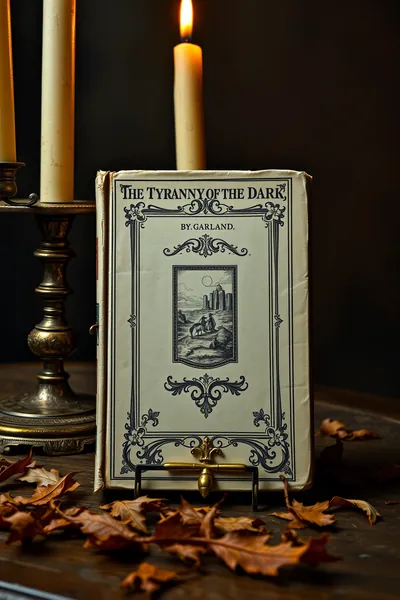
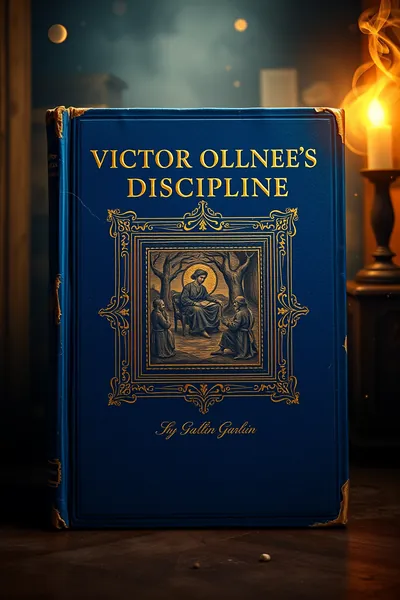
3 free public domain books · Read online or download