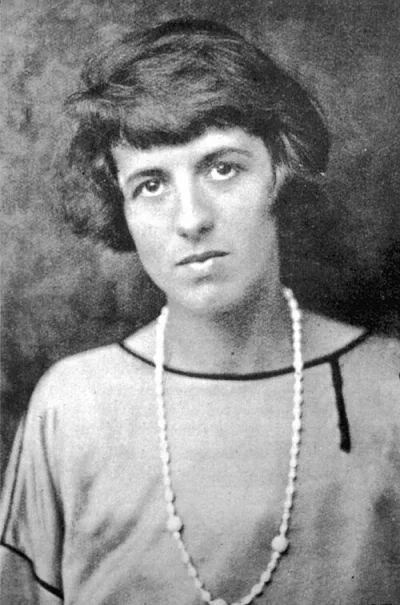
Enid Blyton was a prolific English children's author whose fantastical stories sold millions but also faced criticism.
Enid Mary Blyton (1897–1968) was an exceptionally prolific English author whose children's books achieved immense global success, selling over 600 million copies and translated into ninety languages. Her literary output spanned various genres, including fantasy, mystery, and educational themes, with her most beloved series including Noddy, the Famous Five, and the Faraway Tree.
Blyton's writing process was reportedly spontaneous, stemming from her unconscious mind as she typed stories as they unfolded. This rapid and voluminous production led to speculation about ghostwriters, a claim she denied. Despite her commercial triumphs, her work became a subject of controversy from the 1950s onward. Critics, educators, and parents questioned the simplicity of her narratives and themes, leading some institutions to ban her books and the BBC to refuse broadcasting them for a period. Accusations of elitism, sexism, and racism were leveled against her work, though updated versions continue to be popular. Blyton also actively encouraged charitable causes, particularly those supporting animals and children.
Early Life and Influences
Born in London in 1897, Enid Blyton's early life was shaped by her close relationship with her father, a cutlery salesman who instilled in her a love for nature, gardening, art, and music. This paternal influence contrasted sharply with her strained relationship with her mother. Blyton attended St Christopher's School, where she excelled in writing and received encouragement for her poetry. Despite her mother's reservations about writing as a career, Blyton pursued it, even considering music before deciding writing was her true calling. Her experiences living in places like Seckford Hall, with its intriguing features, later provided inspiration for her stories. After completing her teacher training, she worked as a governess and then a teacher, further developing her affinity with children.
Literary Beginnings and Prolific Output
Blyton's writing career began in earnest in the early 1920s, with her first published work, a poetry collection titled Child Whispers, appearing in 1922. She quickly established a presence in children's publications and began writing educational texts that were influential in the 1920s and 30s. Her interest in mythology led to books based on Greek, Roman, and Arthurian legends in the 1930s. The latter half of the decade saw the publication of her first full-length book, Adventures of the Wishing-Chair (1937), and the beginning of the popular Faraway Tree series with The Enchanted Wood (1939). Blyton developed a reputation for an incredibly rapid and unplanned writing style, often producing dozens of books annually alongside numerous magazine and newspaper contributions, building a significant literary empire.
Controversy and Enduring Legacy
While Enid Blyton achieved unparalleled commercial success, her work faced significant criticism from the 1950s onwards. Literary critics, teachers, and parents raised concerns about the perceived lack of intellectual challenge in her writing and the nature of her themes, particularly in the Noddy series. These criticisms led to some libraries and schools banning her books, and the BBC initially declined to broadcast her stories due to perceived low literary merit. Her writing was accused of being elitist, sexist, racist, and out of step with the evolving social landscape of post-war Britain. Despite these controversies, Blyton's books have remained popular, with updated editions continuing to find an audience long after her death in 1968. She also actively promoted moral values and supported charitable causes, especially those benefiting children and animals.
Key Ideas
- Spontaneous and unconscious writing process
- Moral framework for young readers
- Support for animal and paediatric charities
Books by
13 free public domain books · Read online or download