✍️ Author Biography
David Kushner
🌍 American
📚 1 free book
⭐ Known for: Masters of Doom (2003)
David Kushner is a writer known for books and articles on technology, gaming, and personal tragedy.
David Kushner is an accomplished writer whose work has appeared in numerous prominent publications such as Wired, The New York Times, Rolling Stone, and Salon. His career began in digital media, including a role as senior producer and writer for SonicNet from 1994 to 1996.
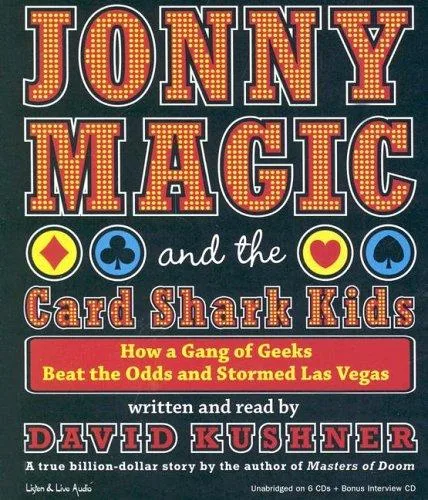
Kushner has authored several non-fiction books exploring diverse subjects. His early works include "Masters of Doom" (2003), "Jonny Magic and the Card Shark Kids" (2005), and "Levittown" (2009). He later published "Jacked: The Outlaw Story of Grand Theft Auto" (2012), which delves into the creation of the game and legal battles surrounding it, and served as the basis for the film "The Gamechangers." His 2016 memoir, "Alligator Candy," is a deeply personal account of his brother's abduction and murder, examining the crime and its lasting impact on his family. Kushner's reporting has also been adapted into films, such as "Silk Road" (2014 article) and "Zola" (2016 article).
Literary Contributions
David Kushner has established himself as a versatile author, contributing to a wide array of respected media outlets including Wired, The New York Times, Rolling Stone, Spin, IEEE Spectrum, and Salon. His writing often explores the intersection of technology, culture, and personal narratives. Kushner's book "Masters of Doom" (2003) is a notable early work, followed by "Jonny Magic and the Card Shark Kids" (2005) and "Levittown" (2009), which examined societal themes within a suburban context. His narrative non-fiction approach extends to deeply researched accounts of the technology and gaming industries, as seen in "Jacked: The Outlaw Story of Grand Theft Auto" (2012), which provided an inside perspective on Rockstar Games and legal challenges to the popular series. This book was later adapted into the film "The Gamechangers."
Personal Narrative and True Crime
A significant portion of David Kushner's work delves into profound personal experiences and true crime narratives. His 2016 memoir, "Alligator Candy," is a poignant exploration of the abduction and murder of his younger brother. The book meticulously investigates the details of the crime and its devastating emotional aftermath for his family, also touching upon the legal proceedings involving one of the convicted individuals. This deeply personal work showcases Kushner's ability to confront traumatic events through writing. Furthermore, his journalistic work has been recognized for its adaptation into films; his 2014 Rolling Stone article on Ross Ulbricht formed the basis for the film "Silk Road," and his 2016 article about the "Zola" Twitter saga was adapted into the 2021 film of the same name, highlighting his impact on popular culture through compelling storytelling.
Gaming and Technological Narratives
Kushner has a significant body of work focused on the world of video games and technological innovation. "Masters of Doom" (2003) is a seminal work that chronicles the rise of id Software and the creation of iconic games like Doom and Quake, often seen as a foundational text in gaming journalism. His book "Jacked: The Outlaw Story of Grand Theft Auto" (2012) offers an in-depth look at the tumultuous development of the Grand Theft Auto franchise and the legal battles it faced, particularly from attorney Jack Thompson. This narrative approach extends to other collections like "Prepare to Meet Thy Doom: And More True Gaming Stories" (2015) and "The World's Most Dangerous Geek: And More True Hacking Stories" (2016), demonstrating a consistent interest in the creators and controversies within the digital realm. His 2017 book, "Rise of the Dungeon Master: Gary Gygax and the Creation of D&D," explores the origins of tabletop role-playing games.