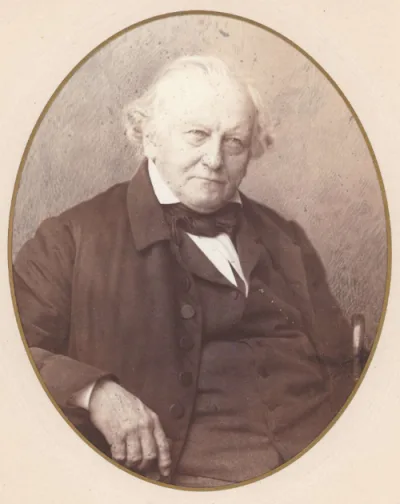
✍️ Author Biography
David Edwards
🌍 British
📚 1 free book
⭐ Known for: All the Lonely People (1991)
British crime novelist, critic, and historian Martin Edwards is a celebrated author and expert in the genre.
Martin Edwards is a distinguished British crime novelist, critic, and historian, born on July 7, 1955. His extensive body of work, encompassing fiction, non-fiction, short stories, and scholarship, has garnered numerous awards in both the UK and the United States, including lifetime achievement accolades. His novels have been translated into multiple languages, including Japanese, Chinese, Korean, and Taiwanese.
Beyond his writing career, Edwards has a background as a solicitor, holding a law degree from Balliol College. He has held significant leadership roles within the crime writing community, serving as President of The Detection Club and previously as Chair and archivist for the Crime Writers' Association. His expertise in crime fiction is widely recognized, leading to appearances on quiz shows and recognition for his contributions to library collections.
Literary Achievements and Recognition
Martin Edwards has achieved significant acclaim for his contributions to crime fiction. His novels have been lauded for their intricate plotting, psychological depth, and evocative settings, with particular praise for his series featuring Rachel Savernake and Harry Devlin. Works like 'Gallows Court' and 'All the Lonely People' have received nominations and awards, with 'Gallows Court' even being recognized in Japan for its translated version. Edwards' expertise extends to historical crime fiction, with novels such as 'Dancing for the Hangman' exploring real-life cases. His short story contributions have also been highly recognized, earning him awards like the CWA Short Story Dagger and the Edward D. Hoch Memorial Golden Derringer Award for lifetime achievement in the field.
Expertise and Scholarly Contributions
As a crime fiction critic and historian, Martin Edwards possesses deep knowledge of the genre, particularly its Golden Age. His non-fiction works and numerous articles delve into the history and evolution of crime writing. He has been commissioned by institutions like the British Library to contribute to significant projects, such as providing an additional solution to a classic mystery. His academic background, including a first-class honours degree in jurisprudence, informs his analytical approach. Edwards' role as an anthologist is also highly regarded; he has edited over fifty anthologies, many featuring award-winning stories, solidifying his position as a key figure in understanding and promoting crime literature.
Leadership in Crime Writing Organizations
Edwards has played a pivotal role in the administration and promotion of crime writing. He is the current President of The Detection Club, a prestigious organization for mystery and crime novelists. His involvement with the Crime Writers' Association (CWA) has been extensive; he served as Chair from 2017 to 2019, becoming one of the longest-serving chairs, and also held the position of archivist. His dedication to the CWA was recognized with a Red Herring Award for his services. He was also a founder member of the Northern Chapter of the CWA and the Murder Squad collective, demonstrating a commitment to fostering community and supporting fellow writers within the genre.
Key Ideas
- Crime fiction analysis and historical scholarship
- The intersection of legal background and crime writing
- The evolution of crime fiction, including Golden Age and contemporary noir
- The importance of setting and psychological depth in crime novels
- The role of anthologies and short fiction in the genre
Notable Quotes
“His novels feature an acute sense of place as well as deep psychological insights.”
“Superb... the book Edwards was born to write”
“a book to make readers wish that the versatile Edwards might tackle the historical crime genre more often.”
“What distinguishes this book and those that follow and what makes them classics of a kind is this marvellous quality of compassion and the celebration of all that is heroic in the corrupted ordinary.”
“provides a solid reliability to the Devlin books, but their strength lies in the evocation of Liverpool both past and present”