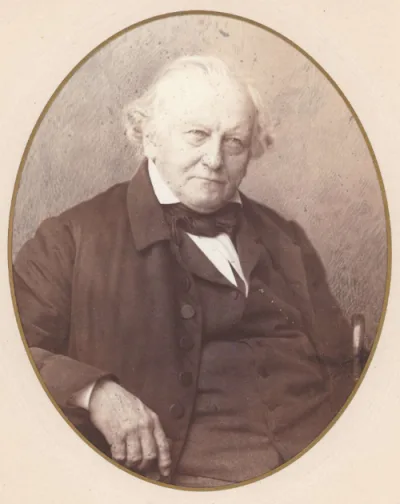
Dagmar Wujastyk
Ayurveda is an ancient Indian system of medicine focusing on holistic health through diet, herbs, and lifestyle, with philosophical roots in Indian traditions.
Ayurveda is a traditional medical system originating from the Indian subcontinent, with practices observed in India and Nepal. It encompasses a wide range of therapies including herbal remedies, dietary adjustments, meditation, yoga, and massage. Its theoretical framework and practices are considered pseudoscientific by contemporary critics, and some preparations have been found to contain toxic heavy metals. The system has evolved over more than two millennia, with early texts detailing herbal compounds and later incorporating minerals influenced by alchemy. Ancient Ayurvedic texts also described surgical techniques.
The term 'Ayurveda' translates to 'knowledge of longevity' or 'knowledge of life'. The system is structured around eight components, covering general medicine, pediatrics, surgery, and toxicology, among others. Central to Ayurvedic thought is the concept of balancing three elemental humors—vata, pitta, and kapha—believed to influence physical constitution and mental well-being. Imbalance in these humors is considered a primary cause of illness. Diagnosis in Ayurveda involves observing various bodily indicators and using the five senses, while treatment emphasizes lifestyle, diet, exercise, and herbal preparations.
Philosophical and Esoteric Underpinnings
Ayurveda's philosophical foundations show connections to Samkhya and Vaisheshika philosophies, as well as Buddhist and Jain traditions. A core principle is moderation in all aspects of life, including natural urges, with suppressing them considered detrimental to health. The body is understood as comprising tissues (dhatus), waste products (malas), and three humoral fluids known as doshas: vata (air), pitta (bile/fire), and kapha (phlegm/earth and water). Each individual possesses a unique constitution (prakriti) determined by the balance of these doshas. Ayurvedic tradition posits that disease arises from an imbalance of these humors. The concept of 'ama,' representing undigested or incompletely transformed substances, is also unique to Ayurveda and is considered a toxic byproduct.
Historical Development and Canonical Texts
Historical references to Ayurvedic concepts and terminology appear in Buddhist texts from the mid-first millennium BCE. The primary classical Ayurvedic texts, in their current form, date to the early centuries CE. These texts often frame medical knowledge as divinely transmitted from gods to sages and then to human practitioners. For instance, the Sushruta Samhita is presented as teachings from Dhanvantari, the Hindu deity of Ayurveda, though older manuscripts attribute the work directly to King Divodāsa. Ayurveda is sometimes classified as a subsidiary Veda (upaveda) or considered the 'Fifth Veda' within Sanskrit knowledge systems. Early theoretical statements regarding disease models are found in the earliest Buddhist Canon.
Diagnostic and Treatment Modalities
Ayurvedic practitioners employ a holistic approach, viewing physical, mental, and personality elements as interconnected. Diagnosis involves eight methods, including assessing pulse, urine, stool, tongue, speech, touch, vision, and overall appearance, utilizing the practitioner's five senses. The study of vulnerable points, known as 'marma,' is also specific to this medical system. While classical Ayurveda includes surgical branches, contemporary practice often emphasizes building a strong metabolic system, promoting good digestion and excretion, alongside exercise, yoga, and meditation. Practices like 'dinacharya,' following natural cycles, and maintaining hygiene are central to prevention and health.
Key Ideas
- Ayurveda: 'Knowledge of longevity' or 'knowledge of life'.
- Doshas: Three elemental humors (vata, pitta, kapha) influencing health.
- Prakriti: An individual's unique physical and mental constitution based on dosha balance.
- Dinacharya: Importance of natural cycles and daily routines for health.
- Ama: Concept of undigested or toxic byproducts.
Books by Dagmar Wujastyk
1 free public domain book · Read online or download