Crystal Muss
Berea College, founded in 1855, is a unique work college in Kentucky known for its historical commitment to racial integration and its mandatory student work program.
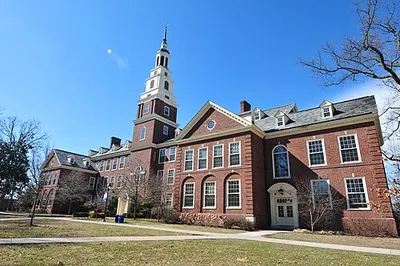
Berea College, established in 1855 in Berea, Kentucky, is a private liberal arts work college with a significant history of social progress. It was the first institution of higher learning in the Southern United States to be both coeducational and racially integrated, admitting non-White students from its early years. The college operates on a mandatory work-study model, requiring students to contribute at least 10 hours per week to campus operations. This program, alongside significant financial aid and scholarships, aims to make a liberal arts education accessible, particularly to students from Appalachia and those with financial need.
Founded by abolitionist John Gregg Fee, Berea College initially admitted Black and white students. However, it was forced to segregate by a state law in 1904 and subsequently challenged this in court, ultimately appealing to the U.S. Supreme Court. After failing to overturn the law, the college became all-white but established the Lincoln Institute to educate Black students. Integration resumed in 1950 after the Day Law was amended. Today, Berea continues its mission, offering a range of bachelor's degrees and consistently ranking high for its contribution to the public good and economic diversity.
Founding Principles and Early History
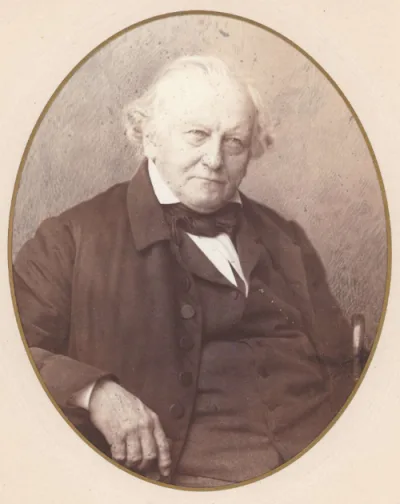
Founded in 1855 by abolitionist John Gregg Fee, Berea College was established on principles of racial equality and coeducation, making it a pioneering institution in the American South. It began as a modest one-room schoolhouse on land granted by abolitionist Cassius Marcellus Clay. From its inception, Berea admitted both Black and white students, fostering an integrated learning environment. This progressive stance led to early challenges, with slavery supporters forcing Fee and his teachers to leave the area in 1859. Fee later returned after the Civil War, dedicating himself to rebuilding the college and supporting freedmen through work at Camp Nelson, where he helped establish essential facilities like a hospital and school.
Navigating Segregation and Reintegration
Berea College's commitment to integration faced significant legal hurdles. In 1866, the college reopened with a substantial number of Black and white students. By 1873, it was awarding its first bachelor's degrees. However, a new state law in 1904 mandated segregation, forcing Berea to become an all-white institution. The college challenged this law, taking the case to the U.S. Supreme Court in *Berea College v. Kentucky*, but the challenge was unsuccessful. To continue serving Black students, Berea established the Lincoln Institute in 1912. The college was able to resume its integrated policies in 1950 after the state's Day Law was amended to permit integration at the college level.
The Work College Model and Financial Accessibility
A defining characteristic of Berea College is its mandatory work program, a core component of its identity as a work college. All students are required to work at least 10 hours per week in various campus roles, contributing to the college's operational needs. This program is integral to Berea's mission of providing full-tuition scholarships to all admitted students, prioritizing those with significant financial need, typically from families within the bottom 40% of U.S. household incomes. The college also draws a large percentage of its students from the Appalachian region. This unique financial model, supported by a substantial endowment, ensures that students can pursue a liberal arts education without the burden of tuition debt.
Academic Offerings and Student Enrichment
Berea College offers a robust liberal arts curriculum, with 33 available majors and 39 minors, alongside the option for students to propose independent majors. The academic experience is supplemented by a mandatory convocation program, requiring students to attend at least six events per semester for academic credit. These events, which are free to students and open to the public, encompass a wide range of cultural and educational topics, including lectures, concerts, and symposia, designed to enrich students' understanding beyond their coursework. The college also encourages global perspectives through study abroad opportunities, including eligibility for the prestigious Thomas J. Watson Fellowship.
Key Ideas
- Work College Model: Students are required to work on campus as part of their educational experience and financial aid.
- Racial Integration Pioneer: Founded as one of the first coeducational and racially integrated colleges in the Southern U.S.
- Financial Accessibility: Provides full-tuition scholarships, focusing on students with demonstrated financial need, particularly from Appalachia.
Books by Crystal Muss
1 free public domain book · Read online or download