✍️ Author Biography
🌍 American
📚 2 free books
⭐ Known for: The Unidentified: Mythical Monsters, Alien...
Colin Dickey is an author and critic exploring themes of ghosts, death, and haunting as societal metaphors.
Colin Dickey, born in 1977, is an American author, curator, and critic whose writings delve into the subjects of ghosts, death, and haunting. He examines how these concepts function metaphorically within society. Dickey previously served as the Managing Director for the Morbid Anatomy Museum and is affiliated with The Order of the Good Death. He currently imparts his knowledge as a teacher at National University.
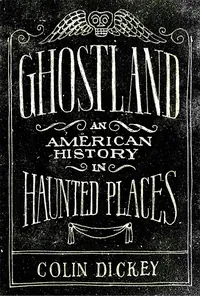
His academic background includes an MFA in Critical Studies from the California Institute of the Arts and a PhD in Comparative Literature from the University of Southern California. Dickey's work has been recognized by various platforms, with his book "Ghostland" being named one of NPR's best books of 2016. He has also appeared on "All Things Considered" to discuss topics related to his research. His writing has influenced other artists, with musician Dave Heumann citing him as a literary inspiration.
Explorations of the Macabre and Unexplained
Colin Dickey's literary contributions frequently explore the liminal spaces between life and death, the known and the unknown. His book "Ghostland" examines the haunting of America through its historical sites, offering a geographical and cultural synthesis that has been described as both intellectually stimulating and politically insightful. This focus on the spectral and the unexplained extends to other works, such as "The Unidentified," which investigates mythical monsters and alien encounters, highlighting humanity's persistent fascination with the unexplained. His edited collection, "The Morbid Anatomy Anthology," further solidifies his engagement with these themes, bringing together diverse voices to discuss the intersections of anatomy, medicine, death, and spectacle.
Death, Memory, and the Search for Meaning
Beyond spectral phenomena, Dickey's writing also engages with the physical remnants of mortality and the stories they hold. "Cranioklepty: Grave Robbing and the Search for Genius" delves into historical instances of grave robbing, examining the motivations behind these acts and the cultural significance attributed to the remains of notable figures like Haydn and Beethoven. This exploration of the afterlife and the legacy left behind is also present in "Afterlives of the Saints," suggesting a continued interest in how societies grapple with faith, memory, and the end of earthly existence. His work often uses these tangible connections to the past to illuminate broader societal obsessions and anxieties.
Key Ideas
- Ghosts and haunting as metaphors for societal issues
- Exploration of death rituals and the macabre
- The cultural significance of unexplained phenomena
- Grave robbing and the search for genius
- The intersection of anatomy, medicine, and spectacle