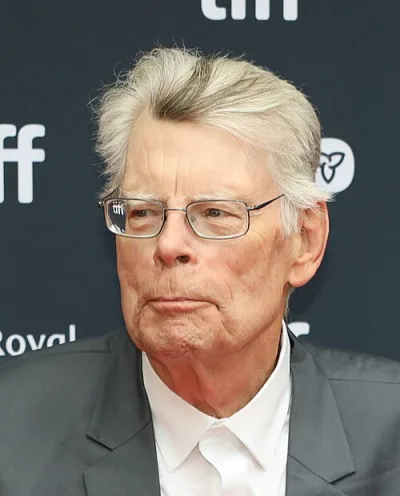
✍️ Author Biography
Christopher Bollas
📅 1943
🌍 American
📚 1 free book
⭐ Known for: The Shadow of the Object (1987)
Christopher Bollas is a British psychoanalyst and writer known for his influential theories on unconscious processes and the self.
Born in the United States in 1943, Christopher Bollas is a prominent British psychoanalyst and author, recognized as a significant voice in contemporary psychoanalytic thought. His academic journey began with a history degree from UC Berkeley, followed by extensive postgraduate training in child counseling and adult psychotherapy, culminating in a PhD in English Literature from the University of Buffalo. He further qualified in psychoanalysis in London, influenced by a diverse range of mentors and thinkers.
Bollas has had a multifaceted career, including professorships in English literature and extensive clinical practice as a psychotherapist since 1967, initially focusing on children with autism and schizophrenia. He has held significant academic and clinical positions, such as Director of Education at the Austen Riggs Center and honorary consultant at the London Clinic of Psychoanalysis. His work extends beyond psychoanalysis, encompassing cultural criticism and creative writing, including novels and plays. He became a British citizen in 2010.
Psychoanalytic Contributions
Christopher Bollas is widely recognized for his psychoanalytic writings, with several of his concepts achieving broad dissemination within the field. He is particularly known for his theory of 'the unthought known,' which posits that infants are influenced by ideas conveyed through action rather than conscious thought, shaping their unconscious. Other influential concepts include 'the transformational object,' 'violent innocence,' 'extractive introjection,' 'psychic genera and the receptive unconscious,' and 'human idiom.' These ideas have found significant application in clinical practice and have contributed to a deeper understanding of psychic development and interaction.
The Nature of the Self and Psychic Development
A core aspect of Bollas's work explores the development of the self through what he terms 'idiom needs.' He suggests that each individual possesses a unique life idiom, a combination of their innate psychic organization and the relational patterns absorbed from their upbringing. Bollas posits that adults seek out experiences and objects, both human and material, that resonate with and enhance their personal idiom. Engaging with these 'transformational objects' is seen as crucial for personal growth and self-invention, allowing for metamorphosis. Conversely, a refusal to engage with such objects can lead to psychic stagnation and the foreclosure of the true self, a state he identifies in the 'anti-narcissist.'
Free Association and Unconscious Processes
In his later work, Bollas revisited and revitalized Freud's concept of free association. Through books like 'Free Association' and 'The Evocative Object World,' he argued that psychoanalysis's effectiveness stems significantly from unconscious processes of change. Bollas provided evidence for how individuals universally think associatively, demonstrating that the progression of thought and the movement between topics reveal underlying unconscious processes. This perspective emphasizes the implicit theory of unconscious perception, organization, and creativity that Bollas saw as foundational to Freud's early writings, particularly 'The Interpretation of Dreams.'
Key Ideas
- The unthought known: unconscious ideas conveyed through action rather than thought.
- The transformational object: objects that enhance one's life idiom and lead to personal metamorphosis.
- Human idiom: an individual's unique style of life, a blend of psychic organization and familial influence.
- Free association: the revival and application of Freud's theory to understand unconscious thought processes.