Cecil Mallaby Firth
Cecil Mallaby Firth was an archaeologist who worked at Saqqara, Egypt, in the 1920s until his death.
Cecil Mallaby Firth was an English archaeologist active in Egypt during the early 20th century. He is noted for his work at the Saqqara necropolis, a vast burial ground serving the ancient Egyptian capital of Memphis. Firth collaborated with James Edward Quibell on excavations at Saqqara during the 1920s, continuing his work there until his passing.
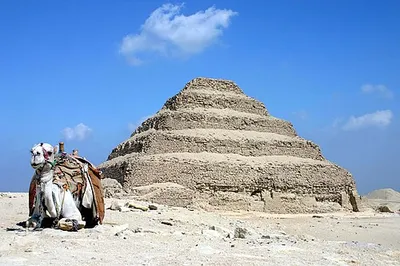
Saqqara is a significant archaeological site, containing monuments from various Egyptian dynasties, including the oldest known complete stone building, the Pyramid of Djoser. The necropolis served as a royal burial ground for multiple periods and remained a site for non-royal burials and cult ceremonies for over 3,000 years. Firth's involvement contributed to the ongoing exploration and understanding of this historically rich location, which has been a focus of archaeological study since the mid-19th century.
Archaeological Work at Saqqara
Cecil Mallaby Firth was an archaeologist who conducted significant excavations at the Saqqara necropolis in Egypt during the 1920s. He worked in collaboration with James Edward Quibell, another prominent excavator of the site. Firth's tenure at Saqqara continued until his death. His work contributed to the systematic exploration of this ancient burial ground, which has yielded artifacts and structures spanning millennia of Egyptian history. Saqqara, located south of modern Cairo, served as the necropolis for the ancient capital of Memphis and features numerous pyramids, mastaba tombs, and other funerary monuments.
Context of Saqqara Excavations
The archaeological exploration of Saqqara has a long history, with systematic studies beginning in the mid-19th century. Following early efforts by figures like Auguste Mariette, Karl Richard Lepsius had previously mapped and numbered monuments. In the early 20th century, following the work of Alessandro Barsanti, James Edward Quibell led excavations between 1905 and 1914. Cecil Mallaby Firth's involvement in the 1920s followed this period, contributing to the ongoing efforts to uncover and preserve the rich history of the site. Later excavations in the 1950s and 1960s by the Egypt Exploration Society, led by Walter B. Emery, further expanded knowledge of the necropolis.
Books by Cecil Mallaby Firth
1 free public domain book · Read online or download