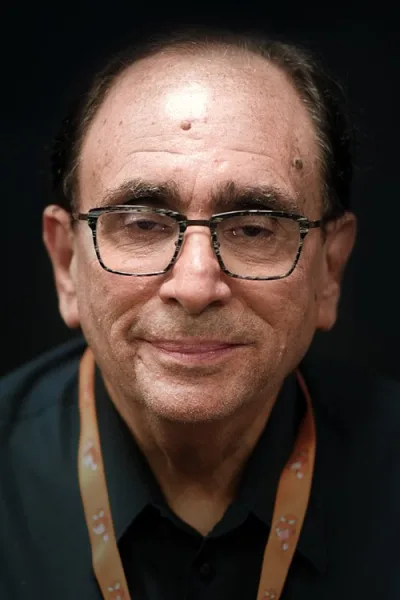
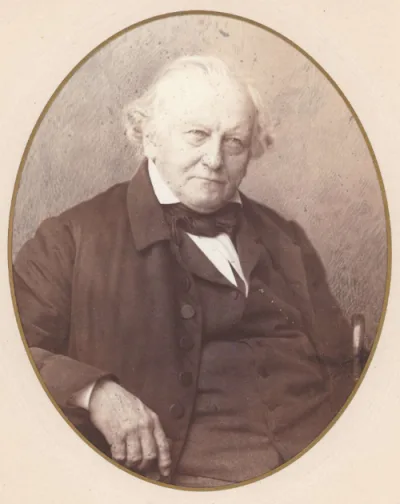
![[Boulton, Richard].](/img/authors/boulton-richard.webp)
[Boulton, Richard].
Richard Boulton was an English physician and author active in the late 17th and early 18th centuries, known for medical and philosophical writings.
Richard Boulton was an English physician who practiced and published from the late 17th century into the early 18th century. Educated at Brasenose College, Oxford, he spent time practicing in Chester. His literary output spanned various scientific and medical subjects, reflecting the intellectual currents of his era.
Boulton engaged in intellectual disputes with contemporaries, notably Charles Goodall and Charles Leigh, which are documented in his publications and correspondence. His writings also included summaries of influential works, such as those by Robert Boyle. Boulton's career appears to have involved periods spent outside of England, as indicated in his own writings.
Medical and Scientific Inquiries
Richard Boulton authored numerous works addressing medical and scientific topics. His early publications explored fundamental concepts like muscular motion and the heat of the blood, demonstrating an interest in the physiological underpinnings of health. He also delved into specific ailments, publishing treatises on the gout, scrofula (King's Evil), and venereal disease. His engagement with practical medicine is further evidenced by his 'System of Rational and Practical Chirurgery'. Boulton's writings reflect a methodical approach to understanding and treating physical conditions prevalent in his time.
Philosophical Engagements and Esoteric Interests
Beyond purely medical subjects, Boulton engaged with broader philosophical and even esoteric themes. His 'Vindication of the Compleat History of Magic' stands out, serving as a defense of his earlier work and a response to criticisms regarding witchcraft. This defense directly addressed Francis Hutchinson's skeptical 'Historical Essay Concerning Witchcraft,' placing Boulton within contemporary debates on superstition and belief. Furthermore, his 'Thoughts concerning the Unusual Qualities of the Air' suggests an interest in atmospheric phenomena and potentially their perceived unusual or even mystical qualities. His work on Robert Boyle's writings also indicates an engagement with influential philosophical naturalism.
Books by [Boulton, Richard].
0 free public domain books · Read online or download