✍️ Author Biography
Bonnie Hearn Hill
🌍 American
📚 1 free book
⭐ Known for: Consider the Lilies (1968)
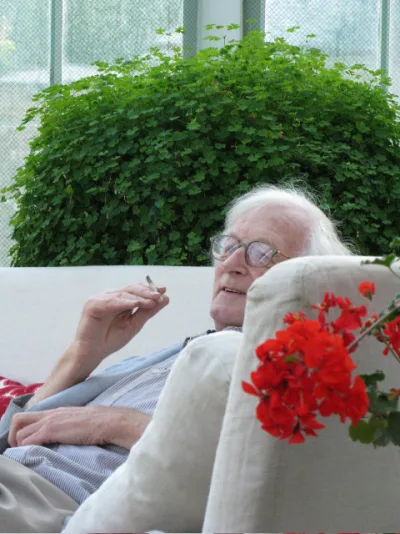
Scottish writer Iain Crichton Smith wrote novels and poetry in English and Gaelic, exploring themes of identity and community.
Iain Crichton Smith, born in Glasgow in 1928, spent most of his life on the Isle of Lewis, a Gaelic-speaking environment that profoundly influenced his work. Educated at the University of Aberdeen, he became a teacher before dedicating himself to writing full-time in 1977. Smith wrote in both English and Scottish Gaelic, often translating his own work between languages or drawing inspiration from Gaelic sources for his English compositions. His writing frequently challenged dogma and authority, reflecting his upbringing in a close-knit Presbyterian community, though he was an atheist. Themes of elderly women, alienated individuals, and the history of the Scottish Highlands, particularly the Highland Clearances, are prominent in his novels and poetry. His best-known novel, 'Consider the Lilies,' depicts evictions during the Clearances. He passed away in 1998.
Bilingualism and Identity
Smith's literary output was characterized by its bilingual nature, encompassing both English and Scottish Gaelic. Raised in a Gaelic-speaking household, he learned English as a second language, a dynamic that shaped his perspective on language and identity. While more prolific in English, he viewed writing in the language as a potential challenge to established English and American poets. His Gaelic works, including poetry and prose, were significant, and he also translated works between the two languages, including some of his own poems. Much of his English writing directly referenced or was derived from his Gaelic compositions, highlighting a deep connection between his linguistic expressions.
Themes of Authority and Society
A recurring theme in Smith's writing is a strong aversion to dogma and institutional authority, stemming partly from his upbringing in a tightly-knit, island Presbyterian community. Despite this background, he identified as an atheist. His works often explored his political and emotional perspectives on Scotland and the Highlands. This critical stance towards established structures and beliefs is evident in his narratives, which frequently touch upon societal pressures and individual resistance. His literary exploration of these themes provided a nuanced commentary on Scottish life and history.
Focus on Highland Experience and Marginalized Figures
Smith's literary focus frequently turned to the experiences of the Scottish Highlands and its people, particularly during periods of historical upheaval like the Highland Clearances. His novel 'Consider the Lilies' is a notable example, detailing the eviction of an elderly woman. Elderly women and individuals experiencing alienation are recurring character types and thematic elements throughout his oeuvre. These figures often represent those marginalized by societal changes or historical events, allowing Smith to explore themes of resilience, loss, and the enduring human spirit against a backdrop of cultural and historical change.
Key Ideas
- The interplay between English and Scottish Gaelic languages and their influence on identity.
- Critique of dogma and authority, particularly within a religious and social context.
- Exploration of the Highland Clearances and their impact on individuals and communities.
- Portrayal of marginalized figures, especially elderly women and alienated individuals.
- The tension between community life and individual alienation.