Bojan Jovanović
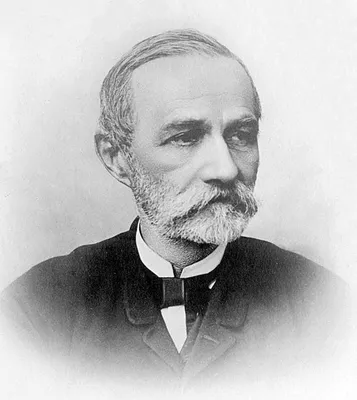
Jovan Jovanović Zmaj was a Serbian poet, physician, and translator, renowned for his children's poetry and patriotic verses.
Jovan Jovanović Zmaj, born in 1833, was a prominent Serbian poet, physician, and translator. He was deeply involved in Serbian national life, contributing to literature across various genres including love, lyric, patriotic, and political poetry, though he is most celebrated for his enduring children's verses. His poems for children became so ingrained in Serbian culture that they are often sung without attribution to their author. Zmaj also translated works from prominent European and American poets, enriching Serbian literature. His medical career, which he pursued alongside his literary endeavors, was often influenced by personal circumstances, including the health of his family. He held several official positions and founded literary journals, leaving a significant mark on Serbian cultural and intellectual history until his death in 1904.
Literary and Professional Life
Jovan Jovanović Zmaj embarked on his literary journey in 1849, contributing to journals like Srbski Letopis, Neven, and Sedmica. Initially studying law at his father's behest, his true inclination led him to medicine, a profession he practiced throughout his life. His medical career often intersected with his writing, particularly when personal tragedy struck; he returned to medicine in Novi Sad in 1870 due to his wife and children's struggles with tuberculosis. Zmaj's poetic output spanned numerous genres, but his lyrical poems, collected as Đulići and Đulići Uveoci, are considered his most significant creative achievements. He also published six volumes of Pevanija (The Book of Songs) and various smaller collections. Beyond his original works, he translated poetry from Hungarian, Russian, German, and Austrian authors. His engagement with Serbian national movements and his role in founding literary societies like Preodnica in Budapest further underscore his multifaceted contributions to Serbian culture.
Personal Life and Influences
Born in 1833 in what is now Novi Sad, Zmaj hailed from a noble family with roots tracing back to modern-day North Macedonia. His father's lineage was of Aromanian descent, while his mother came from a distinguished Serbian family. The family had resided in Vojvodina since the 18th century. Zmaj's early life was marked by a strong connection to Serbian national songs, which influenced his nascent poetic talents. His education was extensive, including studies in law and medicine across several European cities. The loss of his wife in 1872, followed by the death of their surviving child, profoundly impacted him, leading him to write deeply melancholic poetry. Zmaj's nickname, 'Zmaj' (meaning 'dragon'), was adopted after a significant assembly in 1848, and he later founded a satirical journal named 'Zmaj' in 1864, which became so popular that the name became associated with him.
Legacy and Recognition
Jovan Jovanović Zmaj's enduring legacy is cemented by his profound impact on Serbian literature, particularly his children's poetry, which remains a cornerstone of the national consciousness. His work is still widely appreciated across the Balkans. The Zmaj Children Games, a major festival for children in Serbia, is named in his honor, and a town was temporarily renamed Zmajeva Kamenica in tribute. He is recognized as one of the 100 most prominent Serbs and was affectionately known as the 'people's poet.' Literary historians consider him a central figure of Serbian Romanticism and 19th-century literature, praising his original poetry, translations, and satirical works. Nikola Tesla, a close friend, translated some of Zmaj's poems, further highlighting his international reach.
Key Ideas
- The enduring power of children's poetry in shaping national consciousness.
- The intersection of personal suffering and poetic expression.
- The importance of Serbian national identity transcending religious divides.
Books by Bojan Jovanović
1 free public domain book · Read online or download