Bo Li
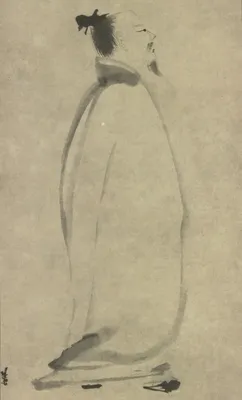
Li Bai was a celebrated Tang Dynasty poet whose work explored nature, friendship, solitude, and mystical themes, often influenced by his travels and life experiences.
Li Bai, also known as Taibai, was a highly esteemed poet of China's Tang Dynasty, a period often referred to as a golden age for Chinese poetry. He is recognized as one of the most significant poets in Chinese literary history. His life and work were deeply intertwined with the cultural and political landscape of his time, including periods of peace and significant upheaval. Li Bai's poetry, numbering around a thousand extant pieces, often reflects his extensive travels, his appreciation for nature, the bonds of friendship, and personal reflections. His life also gained a legendary quality, with tales of his chivalry and fondness for drink contributing to his mystique.
His writings are known for their exploration of themes such as the beauty of nature, the joys of companionship, the experience of solitude, and the pleasures derived from wine. These themes, combined with his unique style, have ensured his enduring legacy. While he did not hold formal office through the traditional civil service exams, his influence was profound. His poems have been translated and studied across the globe, continuing to resonate with readers centuries after his death. His life experiences, from his early years in Sichuan to his travels across China and his interactions with prominent figures, provided rich material for his verse.
Poetic Themes and Mystical Undertones
Li Bai's poetry frequently delves into the profound beauty of the natural world, often perceived as existing in a timeless state. His verses celebrate the pleasures of friendship, the introspective quality of solitude, and the convivial spirit associated with drinking. Beyond these celebrated themes, his work also exhibits a mystical dimension, with "dream-like imaginings" often imbued with "shamanic overtones." This spiritual or transcendent quality, combined with his legendary persona, contributed to his appellations such as the "Immortal of Poetry" and the "Banished Transcendent." His experiences and observations, whether of nature or human interaction, were filtered through a lens that sought deeper, perhaps otherworldly, meaning, reflecting a worldview that embraced the ephemeral and the eternal.
Life and Influences
Born around 701, Li Bai's early life was marked by his family's relocation from Central Asia to Sichuan. He received a broad education, reading extensively in classical literature and metaphysical texts, though he eschewed formal examination routes to officialdom. His youth was characterized by adventurous pursuits, including fencing and a knight-errant lifestyle. Li Bai embarked on extensive travels across China, beginning in his mid-twenties. These journeys exposed him to diverse landscapes and people, profoundly influencing his poetic output. His life coincided with significant historical events, including the "golden age" of the Tang Dynasty and the subsequent An Lushan rebellion, which brought devastation and shifted the tone of his later poetry. He was known to associate with notable figures, including fellow poet Du Fu, and was part of informal literary and drinking circles.
Legacy and Recognition
Li Bai is widely regarded as one of the most significant poets in Chinese history, celebrated for his contributions during the Tang Dynasty's flourishing period. His poems have been preserved in major anthologies, including the "Heyue yingling ji" and the "Three Hundred Tang Poems." His influence extended beyond China, with translations appearing in Europe as early as the 18th century. Modern poets, such as Ezra Pound, have also engaged with his work, featuring his poems prominently in their collections. His verses continue to be taught in schools in China and are widely translated globally, attesting to their enduring appeal and artistic merit. The "Three Wonders," a concept recognizing Li Bai's poetry alongside Pei Min's swordplay and Zhang Xu's calligraphy, highlights his esteemed position in Tang culture.
Key Ideas
- Celebration of nature's timeless beauty
- Exploration of friendship and solitude
- Mystical and shamanic themes in poetry
- Influence of personal experience and travel on art
- Legendary persona encompassing chivalry and revelry
Books by Bo Li
1 free public domain book · Read online or download