Barbara M. Leutwiler
Barbara M. Leutwiler's work examines the historical and societal impact of Native American mascots in sports.
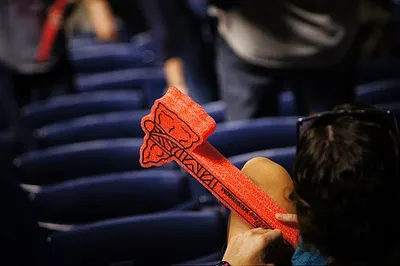
Barbara M. Leutwiler's research, drawing from extensive public discourse and academic analysis, delves into the long-standing controversy surrounding the use of Native American and First Nations names and imagery by sports teams. This issue, prominent since the 1960s, is situated within the context of rising Indigenous civil rights movements, where Native peoples and their allies have voiced objections to what they perceive as derogatory representations. The practice has seen a decline in secondary schools since the 1970s, with accelerated changes in recent years following increased awareness of institutional racism. Prominent professional sports franchises have also altered their names and imagery, often prompting similar shifts at the collegiate and K-12 levels. Research indicates that these mascots, beyond mere symbols, carry significant psychological and social effects, contributing to negative stereotypes, prejudice, and undermining inter-group relations, as affirmed by numerous professional organizations and civil rights advocates. Despite arguments that such usage is intended to honor Native peoples, opponents highlight that even seemingly positive traits can reinforce harmful stereotypes, promoting a disrespectful dynamic that mirrors historical injustices of conquest and cultural suppression.
Historical Roots of "Playing Indian"
The practice of adopting Native American personas and symbols by non-Native groups has a history dating back to colonial times in North America. By the 19th century, fraternal organizations like the Tammany Societies and the Improved Order of Red Men incorporated Native American language and material culture, partly to construct an aboriginal identity. This trend extended to youth organizations, including the Boy Scouts of America, and summer camps. University students in the late 19th and early 20th centuries also began using Native American names and symbols for their sports teams, often reflecting an idealized or imagined version of traditional Native life as perceived by European Americans. Professional sports teams followed a similar trajectory, with early baseball franchises adopting names and imagery that, while sometimes claimed to honor specific figures, often originated during periods of prevalent racial bias and cultural appropriation.
Critiques and Indigenous Perspectives
From an Indigenous perspective, the use of Native American names and mascots is viewed as a perpetuation of harmful stereotypes and a form of cultural appropriation that diminishes the dignity of Native traditions and rituals. Organizations like the National Congress of American Indians (NCAI) have long campaigned against such representations, arguing that they originate from eras of white supremacy and segregation and continue to profit from damaging caricatures. Prominent Native American activists and scholars identify these mascots as examples of "dysconscious racism" and cultural imperialism, contributing to systems of dominance and subordination that have historically oppressed Indigenous groups. The appropriation extends beyond mascots to include the use of Indigenous music, art, and costumes in entertainment and commerce, further undermining intellectual property rights and perpetuating a flattened, one-dimensional portrayal of complex tribal identities.
The Impact of Stereotypes and Advocacy
Social science research consistently demonstrates that sports mascots and associated imagery have profound psychological and social consequences. Analysis of this research indicates predominantly negative effects, including the reinforcement of harmful stereotypes and prejudicial ideas among both Native American students and the broader population, thereby hindering positive inter-group relations. Over 115 professional organizations representing various fields have adopted resolutions condemning this practice as ethnic stereotyping. While some defenders argue their intent is to honor positive Native traits like strength and bravery, opponents contend these are often rooted in "savage" stereotypes. The broader social science consensus is that all ethnic stereotypes, regardless of perceived intent, are detrimental because they foster false associations and disrespectful relationships. This has led to widespread calls from Indigenous organizations and advocates for a complete ban on Native imagery and appropriation in sports.
Key Ideas
- The use of Native American mascots in sports is a controversial issue rooted in historical practices of "playing Indian."
- Indigenous groups and advocates view these mascots as derogatory, perpetuating harmful stereotypes and constituting cultural appropriation.
- Social science research indicates negative psychological and social impacts of such mascots, contributing to prejudice and undermining inter-group relations.
- Despite claims of honor, the use of Native American imagery in sports is widely considered ethnic stereotyping and a form of cultural imperialism.
Notable Quotes
“Since the first Europeans made landfall in North America, native peoples have suffered under a weltering array of stereotypes, misconceptions and caricatures. Whether portrayed as noble savages, ignoble savages, teary-eyed environmentalists or, most recently, simply as casino-rich, native peoples find their efforts to be treated with a measure of respect and integrity undermined by images that flatten complex tribal, historical and personal experience into one-dimensional representations that tells us more about the depicters than about the depicted.”
Books by Barbara M. Leutwiler
0 free public domain books · Read online or download