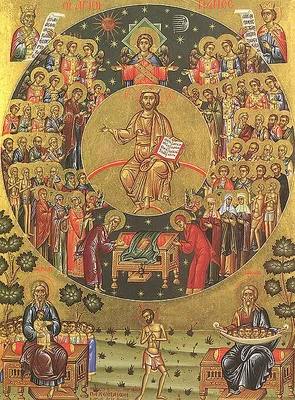
Athanasius Saint, Patriarch of Alexandria, Edward Stephens
Eastern Orthodox saints are recognized for their communion with God, often through humility and repentance, and are believed to intercede for humanity.
In the Eastern Orthodox Church, a saint is defined as any individual in heaven, regardless of earthly recognition. This broad definition includes figures like Adam and Eve, prophets, and archangels. Sainthood is not solely based on a morally perfect life but rather on achieving communion with God, with examples of saints who attained this state through profound humility and repentance from a life of sin. The Church believes God reveals saints through miracles and answered prayers, often beginning with local recognition and growing to wider veneration through the Holy Spirit. Canonization, the formal process of recognition, involves a synod of bishops deliberating on evidence of a virtuous life and prior local veneration.
Orthodox theology considers saints to be alive in heaven, thus they are referred to in the present tense and are venerated, not worshipped. They are believed to possess the ability to intercede for the living, aiding in salvation or other requests through direct communion with God or personal intervention. This understanding reflects the Church's view that there is no true separation between the living and the dead. The text also notes that some saints may be part of larger groups, such as martyrs.
Key Ideas
- Definition of a saint in Eastern Orthodoxy as anyone in heaven, recognized or not.
- Sainthood achieved through communion with God, often via humility and repentance.
- Divine revelation of saints through miracles and answered prayers.
- Veneration of saints as alive in heaven, capable of intercession.
- Canonization process involving synodal deliberation and evidence of virtuous life.
Books by Athanasius Saint, Patriarch of Alexandria, Edward Stephens
2 free public domain books · Read online or download