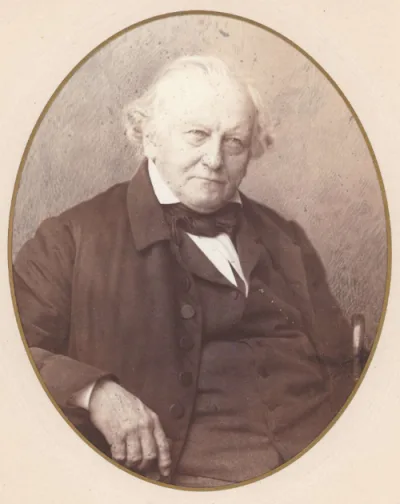
✍️ Author Biography
Arthur Kaskel Solomon
📅 1974 – 1982
🌍 American
📚 1 free book
Arthur Kaskel Solomon is a figure associated with Jewish history in Germany, particularly the intellectual and religious developments.
Arthur Kaskel Solomon is noted within the context of Jewish history in Germany, a region that saw significant demographic and cultural shifts over centuries. The Jewish presence in Germany began with Roman settlement and evolved through periods of flourishing, such as the "Golden Age" of Ashkenazi Jews, and hardship, including persecutions following the Crusades which influenced the development of Yiddish and eastward migration. The Renaissance and the Jewish Enlightenment (Haskalah) marked a period of increased integration, with German Jews becoming prominent contributors to the nation's culture and society by the early 20th century. The Holocaust tragically disrupted this community, leading to widespread flight and the extermination of many remaining Jewish people. Solomon's name appears in lists recognizing individuals of Jewish descent or faith who made contributions across various fields, including religious scholarship and intellectual movements.
Jewish Intellectual and Religious Landscape in Germany
The historical trajectory of Jewish communities in Germany is marked by significant intellectual and religious developments. From the early settlements, a distinct Ashkenazi culture emerged. Later, the Haskalah, or Jewish Enlightenment, fostered intellectual engagement and integration into broader German society. This period saw the rise of influential thinkers and religious leaders who shaped both Jewish thought and its interaction with the surrounding culture. Figures like Samson Raphael Hirsch, a proponent of Orthodox Judaism, and Abraham Geiger, a founder of Reform Judaism, represent the diverse theological currents. The legacy of these intellectual movements underscores a rich tradition of scholarship and adaptation within the German-Jewish context.
Contributions to Scholarship and Religious Leadership
Within the broader Jewish population in Germany, numerous individuals made significant contributions to religious scholarship and leadership. Rabbis and scholars played a crucial role in interpreting Jewish law, developing theological frameworks, and guiding their communities. Figures such as Leopold Zunz, who founded academic Jewish studies, and Jacob Ettlinger, author of "Aruch LaNer," exemplify the scholarly depth. The presence of figures like Aaron ben Benjamin Wolf, Chief Rabbi of Berlin, and Isaac Bernays, Chief Rabbi of Hamburg, highlights the established religious institutions. These individuals were instrumental in maintaining religious continuity and fostering intellectual life amidst changing social and political landscapes.