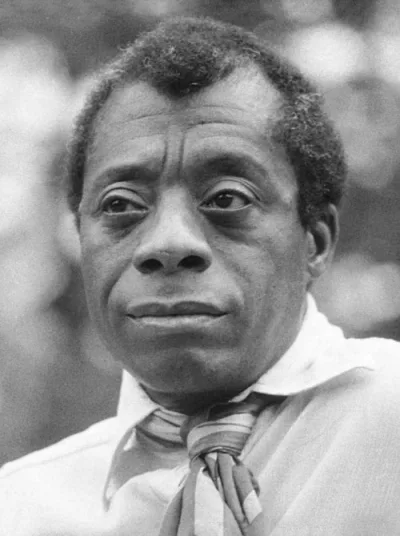
Arthur Hill Grimmer
James Baldwin was a prominent American writer and activist known for his powerful essays, novels, and plays exploring race, sexuality, and social injustice.
James Arthur Baldwin, born in 1924, was an acclaimed American author and a significant figure in the civil rights movement. His literary contributions include essays, novels, plays, and poems that addressed complex social and psychological themes. Baldwin's 1953 novel, "Go Tell It on the Mountain," and his 1955 essay collection, "Notes of a Native Son," were pivotal in establishing his reputation and voice for human equality. His work often delved into the intersections of masculinity, sexuality, race, and class, influencing both the civil rights and gay liberation movements.
Baldwin's writing frequently featured protagonists, often African-American, grappling with internal and external conflicts in their pursuit of self-acceptance and societal recognition. His exploration of gay and bisexual characters, notably in "Giovanni's Room," was groundbreaking for its time. His influence extends to contemporary artists and writers, with his unfinished manuscript adapted into the acclaimed documentary "I Am Not Your Negro" and his novel "If Beale Street Could Talk" becoming a celebrated film. Baldwin passed away in 1987.
Early Life and Family Background
Born James Arthur Jones in Harlem, New York, in 1924, Baldwin was raised by his mother, Emma Berdis Jones, who had migrated from the South to escape racial discrimination. She later married David Baldwin, a Baptist preacher. James took his stepfather's surname. His stepfather, David, was significantly older and had a complex relationship with James, marked by theological and personal differences. David's own family history included enslavement, adding another layer to the family's background. Despite a difficult relationship with his stepfather, Baldwin admired his mother. His upbringing in Harlem occurred during the Great Migration, a period of significant demographic and cultural change in the city. He began working at a young age to support his family, experiencing firsthand the poverty and discrimination prevalent in his community.
Education and Early Literary Influences
Baldwin's early education at Public School 24 in Harlem was marked by the recognition of his intellectual gifts by the principal, Gertrude E. Ayer, and his teachers, who encouraged his writing. Even as a child, he demonstrated a prodigious appetite for literature, reading works by authors such as Dostoyevsky and Dickens. A pivotal encounter was with his teacher, Orilla "Bill" Miller, a white woman who nurtured his interest in theater and helped him overcome potential racial animosity. His time at Frederick Douglass Junior High School introduced him to influential figures like educator Herman W. Porter and poet Countee Cullen, both of whom fostered his literary ambitions and inspired his desire to travel to France. He graduated from De Witt Clinton High School, where he was involved with the school's literary magazine and developed his ambition to become a novelist and playwright.
Spiritual and Intellectual Development
During his high school years, Baldwin grappled with his developing attraction to men, which led him to seek solace in religion. He joined the Mount Calvary of the Pentecostal Faith Church in 1937. This period of religious engagement was significant, though his relationship with his stepfather, David Baldwin, was fraught with tension. David, a preacher, held strict views and often clashed with James over his intellectual pursuits and friendships. David's own life was marked by hardship, including unemployment and growing paranoia, leading to his institutionalization and eventual death from tuberculosis in 1943. Baldwin later reflected on his complex relationship with his stepfather in his essay "Notes of a Native Son," acknowledging a posthumous reconciliation and recognizing his stepfather's protective, albeit demanding, love.
Key Ideas
- Exploration of race, class, and sexuality in America.
- The intersection of personal identity and social pressures.
- The struggle for self-acceptance and societal recognition.
- Critique of racial segregation and discrimination.
Books by Arthur Hill Grimmer
1 free public domain book · Read online or download