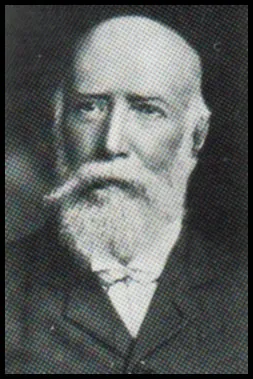
Annie Wood Besant, Charles Webster Leadbeater, Alfred Percy Sinnett
Annie Besant was a prolific activist and writer who became a prominent leader in the Theosophical Society, advocating for social reform and Indian independence.
Annie Wood Besant (1847–1933) was an influential English socialist, activist, and later, a central figure in the Theosophical Society. Initially engaged in secularist and socialist causes, she was a powerful orator and writer, advocating for women's rights, Home Rule, and Indian nationalism. Her early activism included involvement with the National Secular Society and the Fabian Society, and she was prosecuted alongside Charles Bradlaugh for publishing a controversial book on birth control. Her focus shifted significantly after meeting Helena Blavatsky in 1890, leading her to embrace theosophy. Besant became a prominent lecturer and eventually the president of the Theosophical Society, establishing its international headquarters in India. She also played a key role in Indian politics, becoming the first female president of the Indian National Congress and campaigning for India's self-rule.
Early Activism and Secularism
Born Annie Wood, she experienced a somewhat unconventional upbringing influenced by Tractarian ideas and fostered by Ellen Marryat. After a strained marriage to the Reverend Frank Besant, she became increasingly involved in social and political reform. She emerged as a prominent speaker and writer for the National Secular Society, working closely with Charles Bradlaugh. Her early career was marked by passionate advocacy for freethought, women's rights, and secularism. A significant event was her prosecution in 1877 with Bradlaugh for publishing Charles Knowlton's book on birth control, which brought her considerable public attention and solidified her reputation as a radical reformer. She was also involved in labor movements, including the matchgirls' strike, and was elected to the London School Board.
Transition to Theosophy
Besant's life took a profound turn in 1890 when she encountered Helena Blavatsky and became deeply engrossed in theosophy. This marked a shift from her previous secular and socialist pursuits. She joined the Theosophical Society and became a dedicated lecturer and proponent of its teachings, travelling extensively, including to India, where she helped establish educational institutions like the Central Hindu School. In 1907, she ascended to the presidency of the Theosophical Society, overseeing its international headquarters in Adyar, Madras. Her work in co-freemasonry also led her to establish overseas lodges of the International Order of Co-Freemasonry, Le Droit Humain.
Political Leadership and Indian Nationalism
Beyond her theosophical work, Besant remained deeply committed to political causes, particularly Indian independence. She joined the Indian National Congress and, during World War I, co-founded the Home Rule League to advocate for India's dominion status within the British Empire. Her leadership in this movement culminated in her election as the first female president of the Indian National Congress in 1917. In her later years, she continued her advocacy for Indian self-rule and theosophy, even traveling to the United States with Jiddu Krishnamurti, whom she identified as a spiritual leader.
Key Ideas
- Secularism and freethought
- Women's rights and suffrage
- Socialist reform
- Birth control advocacy
- Theosophical principles and teachings
- Indian Home Rule and independence
Notable Quotes
“We intend to publish nothing we do not think we can morally defend. All that we publish we shall defend.”
Books by Annie Wood Besant, Charles Webster Leadbeater, Alfred Percy Sinnett
2 free public domain books · Read online or download