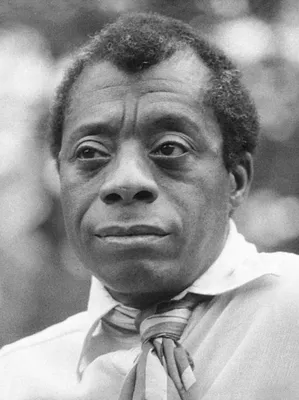
Anna P. Baldwin
James Baldwin was a celebrated American writer and activist whose works explored themes of race, sexuality, and identity.
James Arthur Baldwin, born James Arthur Jones, was an influential American author and civil rights activist, recognized for his powerful essays, novels, plays, and poetry. His seminal works, such as "Go Tell It on the Mountain" and "Notes of a Native Son," addressed profound social and psychological issues, earning him critical acclaim and establishing him as a significant voice for human equality. Baldwin's writing often delved into the complexities of race, sexuality, and class, influencing both the civil rights and gay liberation movements.
His early life in Harlem was shaped by his mother's experiences fleeing the South and his challenging relationship with his stepfather, David Baldwin, a preacher whose views on race and religion deeply impacted young James. Despite these difficulties, Baldwin's intellectual curiosity was nurtured by supportive teachers and mentors, leading him to discover his passion for writing through school publications and public libraries. His literary career began with early publications and a clear ambition to become a novelist and playwright, foreshadowing the impactful body of work he would later produce.
Early Life and Influences
Born James Arthur Jones in Harlem, New York, James Baldwin's early life was marked by his mother Emma Berdis Jones's migration from the South to escape racial discrimination. His mother later married David Baldwin, a laborer and Baptist preacher, who became James's stepfather. The relationship between James and David was strained, characterized by David's strict religious views and resentment towards white people, which contrasted with James's burgeoning intellectual curiosity and diverse friendships. Despite these tensions, Baldwin found solace and inspiration in education. His teachers recognized his talent early on, encouraging his writing and directing him to the public library, which became a sanctuary. A pivotal encounter with a white schoolteacher, Orilla "Bill" Miller, exposed him to theater and prevented him from developing a deep-seated hatred for white people. He also encountered prominent figures like poet Countee Cullen, who further fueled his literary aspirations.
Literary and Activist Voice
James Baldwin achieved widespread recognition for his profound literary contributions and his unwavering commitment to civil rights. His 1953 novel, "Go Tell It on the Mountain," and his 1955 essay collection, "Notes of a Native Son," were instrumental in shaping his reputation as a powerful commentator on American society. Baldwin's work consistently explored the intersection of personal identity with societal pressures, particularly concerning masculinity, sexuality, race, and class. His narratives often featured African-American protagonists and prominently included gay and bisexual male characters, as seen in "Giovanni's Room." His 1965 debate with William Buckley remains a landmark discussion on race in America. Baldwin was a compelling public speaker and a significant figure during the Civil Rights Movement, using his platform to advocate for human equality and challenge systemic injustices.
Enduring Legacy
The impact of James Baldwin's work extends far beyond his lifetime, continuing to inspire contemporary artists and writers. His unfinished manuscript, "Remember This House," was posthumously adapted into the acclaimed 2016 documentary "I Am Not Your Negro," which received a BAFTA Award. Furthermore, his 1974 novel, "If Beale Street Could Talk," was transformed into a critically lauded film in 2018. These adaptations underscore the enduring relevance of his themes and the power of his storytelling, cementing his status as a vital voice in American literature and social commentary.
Key Ideas
- Exploration of race, sexuality, and class in mid-20th century America
- Intertwining of personal dilemmas with complex social and psychological pressures
- Protagonists often face internal and external obstacles in search of acceptance
- Influence on both the Civil Rights and Gay Liberation movements
Books by Anna P. Baldwin
0 free public domain books · Read online or download