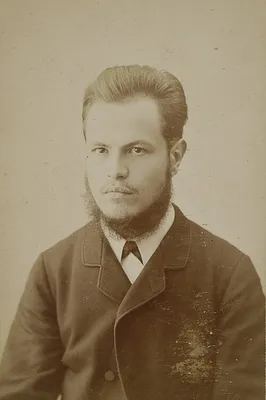
Andrzej Wawrzynowicz
Wincenty Lutosławski was a Polish philosopher and author known for his metaphysical system and pioneering work on yoga in Poland.
Wincenty Lutosławski (1863–1954) was a Polish philosopher, author, and member of the National League. His philosophical journey began with a period of atheism and materialism after a youthful breakdown, but a profound mystical experience in 1885, inspired by Plato's Symposium, led him to embrace Platonism and the belief in the soul's existence and immortality. This marked a lifelong commitment to Christianity and a philosophical system influenced by Plato and Leibniz.
Lutosławski's academic career included teaching psychology, metaphysics, and the history of philosophy at Kazan University. He undertook extensive research on Plato, culminating in his book "The Origin and Growth of Plato's Logic." He also founded the Eleusis association, which promoted Catholic national upbringing and moral freedom through asceticism. Later in life, he became interested in yoga, practicing it to overcome neurosis and authoring the first Polish reference book on the subject, "Rozwój potęgi woli," earning him the title of the first Polish yogi.
Philosophical and Mystical Development
Wincenty Lutosławski's intellectual path was marked by a significant transformation. Initially experiencing a breakdown and adopting atheism and materialism, he underwent a profound spiritual awakening in 1885. This event, described as the "discovery of the Self," occurred while reading Plato's "Symposium," leading to a mystical revelation of his soul's existence and immortality. This experience solidified his lifelong adherence to Platonism, influencing his beliefs in the pre-existence of the soul and palingenesis, and initiating his journey toward Christianity. His philosophical framework was shaped by influences from Leibniz and Plato, and he explored these ideas through his academic work and writings.
Academic and Esoteric Contributions
Lutosławski's academic career saw him teach various philosophical subjects, including psychology, metaphysics, and the history of philosophy. His scholarly pursuits led to a deep engagement with Plato's works, resulting in "The Origin and Growth of Plato's Logic." Beyond academic philosophy, Lutosławski was a pioneer in introducing Eastern practices to Poland. His interest in yoga, cultivated to manage neurosis, led to the publication of "Rozwój potęgi woli" (Development of the Willpower) in 1909, considered the first Polish handbook on yoga. This work detailed a program for moral development through psychological and physical exercises, establishing him as a significant figure in the early dissemination of yogic practices in Poland.
Social and Political Engagement
Beyond his philosophical and esoteric pursuits, Lutosławski was actively involved in Polish national and social movements. He was a member of the secret National League and founded the Eleusis association, which aimed to foster Catholic national identity and moral discipline among young intellectuals and laborers. During his time in Krakow, he was known for his outspoken lectures, criticizing philosophical positivism and political pessimism. Following World War I, he contributed to Poland's post-war diplomatic efforts, advocating for territorial claims. He also developed critical views on political figures like Józef Piłsudski, which led to censorship of his writings.
Key Ideas
- Metaphysical system influenced by Leibniz and Plato
- Belief in the soul's existence and immortality
- Concept of the "discovery of the Self"
- Moral development through asceticism, discipline, and exercises
- Pioneering introduction of yoga practices in Poland
Books by Andrzej Wawrzynowicz
1 free public domain book · Read online or download