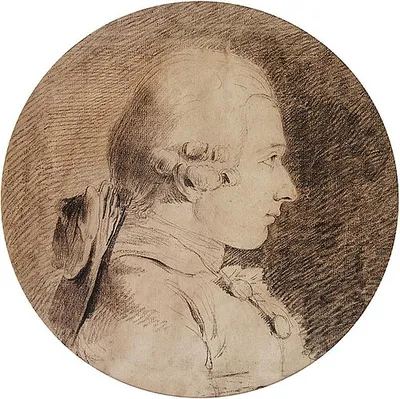
Alphonse Morel
Marquis de Sade was a French writer known for libertine novels, whose life was marked by scandal, imprisonment, and philosophical exploration.
Donatien Alphonse François, Marquis de Sade, born in 1740 into French nobility, became a writer and activist whose works explored themes of sexuality, religion, and philosophy. His adult life was largely spent in prisons and asylums due to various scandals, including accusations of sex crimes and blasphemy. Despite these circumstances, he produced a significant body of literary work, including novels, plays, and philosophical tracts, some published during his lifetime, others posthumously.
Sade's writings, characterized by graphic depictions of sexual acts and violence intertwined with philosophical discourse, led to the coining of the term 'sadism.' His legacy is complex, with ongoing debates about the criminal nature of his behavior and the interpretation of his works. While some view him as a precursor to various philosophical and artistic movements, others criticize the potential harm his writings might inflict, particularly on vulnerable audiences.
Early Life and Military Service
Born into a noble family in 1740, the Marquis de Sade was the sole surviving child of a distinguished father. He lived with his grandmother and later his uncle, an abbé, who served as his tutor. Sade received a classical education at the Jesuit college Louis-le-Grand, studying Latin, Greek, and rhetoric, and participating in theatrical productions. He also spent time with his father's former lovers, who acted as maternal figures. Entering military service at 15, he rose to the rank of captain during the Seven Years' War. However, his military career was overshadowed by a reputation for gambling, extravagance, and libertine behavior, which hindered further promotion. Following the war's end, he was discharged and returned to Paris, living a life of pleasure.
Scandal, Imprisonment, and Literary Output
Shortly after his marriage in 1763, Sade faced accusations of blasphemy and incitement to sacrilege following an encounter with a prostitute. The incident involved alleged blasphemous acts and forced obscenities. He was arrested and imprisoned but released after his father intervened. Following this, he was exiled but later allowed to return to Paris, where he continued a life of mistresses and renovations to his properties. His father died in 1767. Sade's life became increasingly defined by scandals and extended periods of detention in various prisons and asylums. During one significant imprisonment from 1777 to 1790, he penned numerous novels and other writings, some of which were illicitly circulated by his wife. Upon his release during the French Revolution, he engaged in literary pursuits and political activism, shifting from monarchist to republican sympathies, but was later imprisoned again for 'moderatism' and narrowly avoided execution.
Philosophical and Literary Legacy
Sade's major works, such as 'The 120 Days of Sodom,' 'Justine,' and 'Philosophy in the Bedroom,' are known for their graphic depictions of sexual violence, torture, and abuse, juxtaposed with extensive discussions on religion, politics, and philosophy. The term 'sadism,' denoting pleasure derived from inflicting pain, originates from his fictional characters. The extent to which Sade's personal behavior aligned with the extreme sadism depicted in his works remains a subject of debate among historians and critics. His influence grew in the 20th century, with thinkers and artists identifying him as a precursor to various intellectual and artistic movements. However, his reputation has also faced criticism, with concerns raised about the potential negative impact of his writings on impressionable minds and society.
Key Ideas
- Exploration of extreme sexual acts and violence.
- Critique of religious and societal norms.
- Discourse on philosophy, politics, and sexuality.
- The concept of deriving pleasure from inflicting pain (sadism).
Books by Alphonse Morel
1 free public domain book · Read online or download