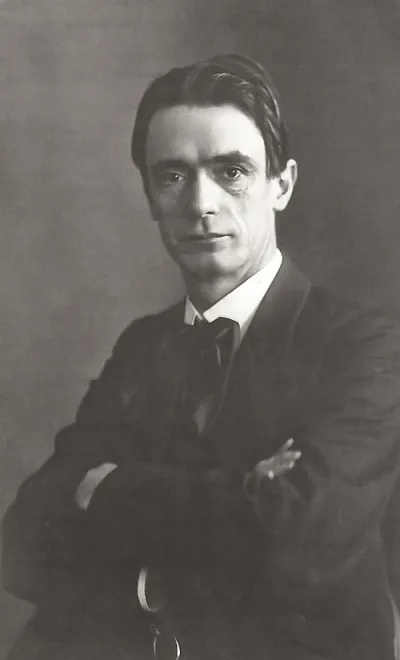
Alexander T. Shulgin, Ann Shulgin
Alexander Shulgin was a biochemist who synthesized and studied hundreds of psychoactive compounds, notably introducing MDMA to wider use.
Alexander Shulgin was an American biochemist recognized for his extensive research into synthetic psychoactive compounds. He dedicated much of his life to exploring the organic chemistry and pharmacology of these substances, often preparing and testing them in his home laboratory. Shulgin is credited with introducing MDMA (ecstasy) into broader psychopharmacological research and therapeutic contexts in the late 1970s. He also discovered, rediscovered, and synthesized numerous other psychoactive compounds, meticulously documenting his work and personal experiences.
His wife, Ann Shulgin, collaborated with him on the compilation of the books PiHKAL and TiHKAL, which detailed their research and experiences with phenethylamines and tryptamines, respectively. Shulgin's work, while pioneering, was also controversial, leading to him being called the "godfather of ecstasy." Despite facing scrutiny from the scientific community and law enforcement, Shulgin maintained faith in the potential of psychedelics, even as he acknowledged the risks associated with drug use.
Early Life and Scientific Foundation
Born in Berkeley, California, Alexander Shulgin pursued his studies in organic chemistry at Harvard University at a young age. After a period of service in the U.S. Navy during World War II, he earned a PhD in biochemistry from the University of California, Berkeley, and completed post-doctoral work in psychiatry and pharmacology. His early career included work at Bio-Rad Laboratories and Dow Chemical Company, where he developed the first known biodegradable pesticide, mexacarbate. A pivotal moment in his life was a profound mescaline experience in the late 1950s, which significantly shaped his future research interests and his understanding of the mind's potential.
Independent Research and Psychedelic Exploration
Shulgin's professional path increasingly leaned towards psychopharmacology, influenced by his personal psychedelic experiences. After leaving Dow Chemical, he established a home laboratory, obtaining a DEA Schedule I license that allowed him to synthesize and possess controlled substances for analytical purposes. This autonomy enabled him to synthesize and rigorously test hundreds of psychoactive compounds, primarily variations of phenethylamines and tryptamines. He developed a systematic method for evaluating their effects, known as the Shulgin Rating Scale, meticulously documenting both objective and subjective reports in his laboratory notebooks.
MDMA Introduction and Collaborative Works
In 1976, Shulgin was introduced to MDMA, a compound synthesized decades earlier but never fully explored. He developed a new synthesis method and subsequently introduced MDMA to psychologist Leo Zeff, who began using it in therapy. Through Zeff, MDMA was introduced to a wider network of therapists. Shulgin met and later married Ann Shulgin in 1979. Together, they compiled their extensive research and personal accounts into the seminal books PiHKAL (Phenethylamines I Have Known And Loved) in 1991 and TiHKAL (Tryptamines I Have Known And Loved) in 1997, detailing the synthesis and effects of numerous compounds.
Legacy, Controversy, and Ethical Considerations
Shulgin's work positioned him as a significant, albeit controversial, figure in the psychedelic movement. His practice of self-testing and sharing his research, particularly through his books which were described by the DEA as "cookbooks on how to make illegal drugs," led to scrutiny and legal issues, including a DEA raid on his lab and a fine. Despite being viewed by some as a curiosity or even a menace, Shulgin believed in the therapeutic potential of psychedelics. He expressed sadness over incidents of overdose linked to compounds he disclosed, but maintained that all substances, when misused, carry risks.
Key Ideas
- Exploration of synthetic psychoactive compounds through organic chemistry and pharmacology.
- Introduction of MDMA into psychopharmacological research and therapeutic contexts.
- Synthesis and documentation of hundreds of novel psychoactive substances, primarily phenethylamines and tryptamines.
- Systematic evaluation of drug effects using the Shulgin Rating Scale.
- Belief in the potential of psychedelics for introspection and therapeutic application.
Notable Quotes
“I learned there was a great deal inside me.”
“I understood that our entire universe is contained in the mind and the spirit. We may choose not to find access to it, we may even deny its existence, but it is indeed there inside us, and there are chemicals that can catalyze its availability.”
“It is, in my opinion, one of the most graceful, erotic, sensual, introspective compounds I have ever invented. For most people, it is a short-lived and comfortable psychedelic, with neither toxic side-effects nor next-day hang-over.”
Books by Alexander T. Shulgin, Ann Shulgin
2 free public domain books · Read online or download