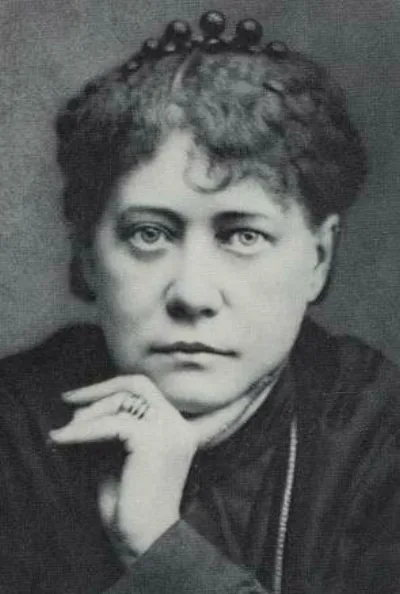
✍️ Author Biography
Alan Pert
📅 1839 – 1934
🌍 Scottish
📚 1 free book
⭐ Known for: Which will triumph? (1867)
Alice Bell Le Geyt was a British writer, suffragist, temperance campaigner, and rescuer, known for her novel and a coffee house initiative.
Alice Bell Le Geyt, born in 1839 on the island of Jersey, was a notable British figure involved in writing, social reform, and activism. Her lineage included notable figures, with her grandfather being the Scottish surgeon Charles Bell.
Le Geyt demonstrated remarkable bravery in 1864 when she risked her life to rescue two boys from the sea at Lyme Regis, an act for which she received the Royal National Lifeboat Institution's silver medal. Her literary contributions include a three-volume novel titled "Which will triumph?" published in 1867, which explores themes of love, rivalry, and personal fulfillment in a changing world.
Beyond her literary work, Le Geyt was a dedicated advocate for women's suffrage, serving as secretary for the Bath committee of the National Society for Women's Suffrage. She was also a staunch temperance campaigner, actively working to combat the negative effects of alcohol. In 1872, she opened the "Golden Coffee Pot" in Corston, a public house that served coffee instead of alcohol, aiming to provide a healthier alternative for the community. Her efforts were recognized by local citizens, who presented her with a silver inkstand upon her departure.
Literary Endeavors
Alice Bell Le Geyt authored a single, significant novel, "Which will triumph?", published in 1867. This three-volume work delves into the complexities of relationships, specifically focusing on the rivalry between two young men vying for the affection of a woman named Alice. The novel has been characterized as a narrative exploring love, competition, and the pursuit of self-realization within a period of considerable societal transformation. The book was later reprinted in 2007, making it accessible to contemporary readers.
Activism and Social Reform
Le Geyt was deeply involved in social and political reform movements of her time. She was an active participant in the women's suffrage movement, holding the position of secretary for the Bath committee of the National Society for Women's Suffrage starting in 1871. Simultaneously, she dedicated herself to the temperance cause, aiming to mitigate the societal problems associated with alcohol consumption. Her commitment led her to establish a "model beerless public house" named the Golden Coffee Pot in Corston, which aimed to offer a non-alcoholic alternative to traditional public houses and foster a healthier community environment.
Heroic Act and Recognition
In 1864, while on holiday in Lyme Regis, Alice Bell Le Geyt performed an act of extraordinary bravery. She rowed into rough surf, risking her own life, to save two young boys who had fallen into the sea from a pier. Her courageous actions did not go unnoticed; she was subsequently awarded the prestigious silver medal for gallantry by the Royal National Lifeboat Institution, acknowledging her selfless heroism.
Notable Quotes
“at the risk of her life”
“a tale of love, rivalry, and the struggle for personal fulfillment in a world that is changing rapidly”
“Coffee-Houses or Gin-Palaces”
“counter the evils of strong drink”
“it has been successfull [sic] in substituting coffee for beer among the poor, and upon Miss Le Geyt's recent departure from the place, many leading citizens presented her with a silver inkstand, in token of her efforts among them.”