Alan Klima
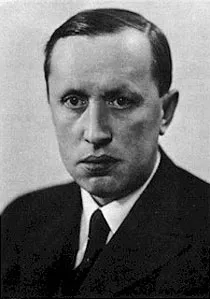
Karel Čapek was a Czech writer known for introducing the word 'robot' and for his politically charged science fiction and social commentary.
Karel Čapek was a prominent Czech writer, playwright, and journalist active in the first half of the 20th century. He gained international recognition primarily for his science fiction works, most notably the play R.U.R. (Rossum's Universal Robots), which introduced the term 'robot' to the world, and the novel War with the Newts. Beyond science fiction, Čapek penned numerous politically charged writings that addressed the social and political turmoil of his era, advocating for free expression and opposing both fascism and communism.
His literary career began with journalism, and he collaborated closely with his brother Josef. Čapek's work often explored ethical implications of technological advancements, social issues, and the human condition, with a philosophical undercurrent influenced by American pragmatism. Despite being nominated multiple times for the Nobel Prize in Literature, he never received it. Čapek died in 1938, on the eve of World War II, leaving a significant literary legacy that was solidified in the post-war period.
Literary Contributions and Philosophical Leanings
Karel Čapek's literary output spanned a wide range of genres, including novels, plays, short stories, and even a book on gardening. He is particularly celebrated for his prescient science fiction, which often delved into the ethical dilemmas posed by emerging technologies and industrial processes. Works like R.U.R. and War with the Newts explored themes such as artificial intelligence, mass production, and the potential for societal disruption. Čapek's writing was characterized by its precise depiction of reality and its engagement with contemporary philosophical currents, particularly American pragmatic liberalism. He used his platform to critically examine social and political issues, expressing fears about dictatorship, violence, and unchecked corporate power, while simultaneously seeking avenues for hope and resistance.
Political Stance and Social Commentary
Throughout his career, Karel Čapek was a vocal advocate for free expression and a staunch opponent of totalitarian ideologies. His writings frequently reflected his deep concern over the rise of fascism and communism in Europe during the interwar period. He maintained close ties with political leaders of the nascent Czechoslovak state, including Tomáš Garrigue Masaryk, and actively participated in intellectual circles that discussed national and international affairs. Čapek's commitment to democratic and humanist values was recognized by the Czech PEN Club, which awards a prize in his name for literary work supporting these principles. His strong anti-fascist and anti-militarist stance became increasingly prominent in his work from the 1930s onward.
Linguistic Influence and Legacy
Čapek's impact extends beyond his thematic explorations to his significant contribution to the Czech language. Alongside contemporaries like Jaroslav Hašek, he played a crucial role in revitalizing written Czech by incorporating vernacular language into his works, making it more accessible and closer to everyday speech. This approach influenced modern Czech literature profoundly. Furthermore, Čapek's translation of French poetry inspired a new generation of Czech poets. His enduring legacy is underscored by the international recognition of his concept of the 'robot' and the continued relevance of his writings, which grappled with timeless questions of knowledge, society, and humanity's future.
Key Ideas
- The introduction and popularization of the word 'robot'.
- Exploration of the ethical implications of technological advancement.
- Critique of totalitarianism, fascism, and communism.
- Advocacy for free expression and democratic values.
- The use of vernacular language to enrich written Czech.
Notable Quotes
“I read Karel Čapek for the first time when I was a college student long ago in the Thirties. There was no writer like him ... prophetic assurance mixed with surrealistic humour and hard-edged social satire: a unique combination...he is a joy to read.”
Books by Alan Klima
1 free public domain book · Read online or download