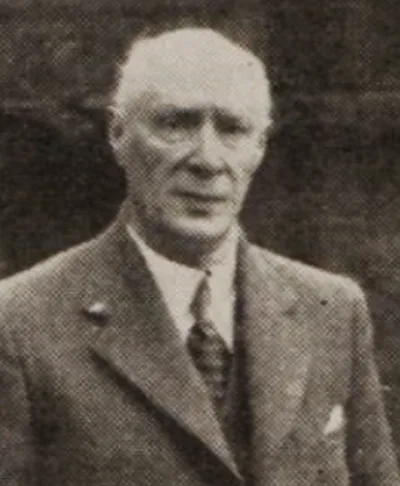
A H Wratislaw
A. H. Wratislaw was a scholar associated with the city of Wrocław, known for its rich history and cultural significance.
A. H. Wratislaw is connected to Wrocław, a major city in southwestern Poland with a history spanning over a millennium. Originally known by various names, including Breslau, the city has been under Polish, Bohemian, Austrian, Prussian, and German rule before becoming part of Poland again after World War II. Wrocław is a significant cultural and educational hub, boasting a large student population and numerous historical landmarks. It has hosted major international events and was recognized as a European Capital of Culture and World Book Capital. The city's name has a debated etymology, with early mentions pointing to an Old Polish origin and later variations evolving through German influence. Its history is marked by periods of Polish and Bohemian rule, fragmentation, and eventual incorporation into the Holy Roman Empire, while maintaining a multi-ethnic character.
Historical and Cultural Context of Wrocław
Wrocław, also historically known as Breslau, is a city in Poland with a history stretching back over a thousand years. Its strategic location on the Oder River and at the crossroads of important trade routes, such as the Via Regia and the Amber Road, contributed to its early development and multi-ethnic character. The city has experienced shifts in sovereignty, having been governed by Polish, Bohemian, Austrian, Prussian, and German powers throughout its existence. This rich historical tapestry has left Wrocław with a legacy of diverse architectural styles and cultural influences. As a significant urban center, it has been a focal point for trade, administration, and cultural exchange, reflecting the broader historical currents of Central Europe.
Etymology and Naming of Wrocław
The name of Wrocław is subject to scholarly debate regarding its precise origin. Early records from around the year 1000, found in Thietmar's Chronicle, suggest an Old Polish derivation, possibly linked to a founder named Wrocisław or Warcisław. Over time, phonetic changes led to its shortening to Wrocław. During the 12th century, a Czech-influenced Latinized form, Vratislavia, also emerged. By the 15th century, German variations, most notably Breslau, began to be used, stemming from phonetic shifts of the original West Slavic name. Despite these variations, the name's roots remain tied to its Slavic origins, with the German forms evolving through sound changes and suffix alterations.
Medieval Significance and Governance
In the Middle Ages, Wrocław served as a significant political and commercial center. Initially under Polish and Bohemian control, it became an episcopal see in 1000 AD, marking its importance within the ecclesiastical structure. The city expanded commercially and geographically, becoming a noted capital of the Polish Kingdom according to medieval chronicles. Its strategic position facilitated trade between Poland, Ruthenia, and Western Europe. Following the Mongol invasion in the 13th century, German settlers contributed to its growth under German town law, and it eventually gained Magdeburg rights. Despite periods of annexation, notably by Bohemia and incorporation into the Holy Roman Empire, Wrocław maintained its role as a vital trade hub and joined the Hanseatic League, underscoring its economic reach.
Books by A H Wratislaw
1 free public domain book · Read online or download