Theurgy in Late Antiquity
 61
61

Theurgy in Late Antiquity


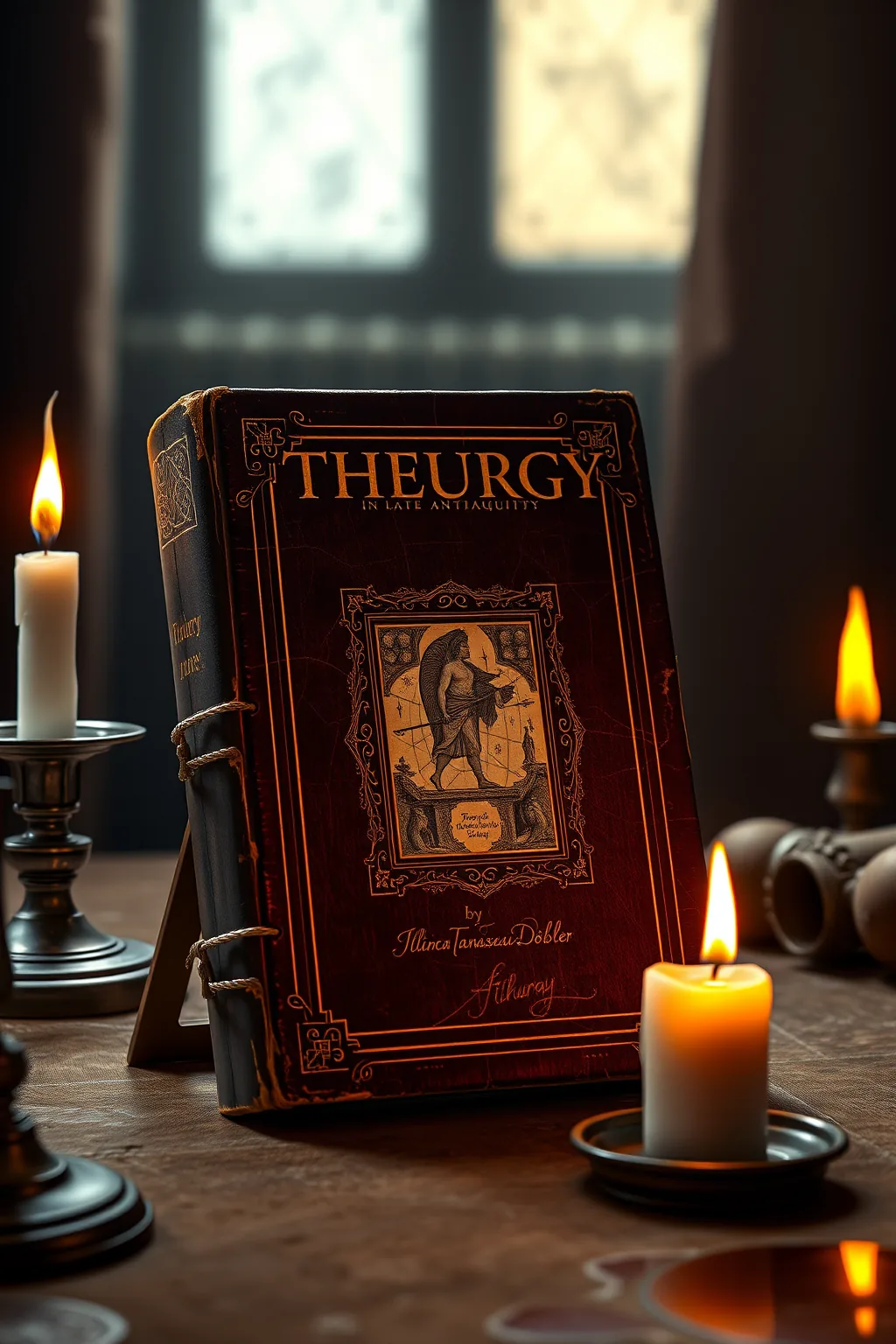
Ilinca Tanaseanu-Döbler's 'Theurgy in Late Antiquity' is a landmark scholarly achievement, offering an unparalleled exploration of this pivotal esoteric tradition. Tanaseanu-Döbler's command of the source material is evident, illuminating the complex philosophical and practical dimensions of theurgic practice with remarkable clarity. The book expertly navigates the intricate relationship between Neoplatonic philosophy, Hermeticism, and early Christian mysticism, revealing the shared pursuit of divine union. For scholars of ancient religion and metaphysics, and for practitioners seeking a deep understanding of ritual efficacy and spiritual ascent, this work is indispensable. Its rigorous analysis and profound insights into the symbolic language of theurgy offer a rare glimpse into the sacred arts of antiquity.
📝 Description
61
Ilinca Tanaseanu-Döbler's 2021 study analyzes theurgy as practiced from the 3rd to the 6th centuries CE.
This book examines the practice of theurgy in late antiquity, a period stretching roughly from the 3rd to the 6th centuries CE. Tanaseanu-Döbler focuses on theurgy as a sacred art intended to facilitate divine communion and spiritual advancement. The work details how ritual practices, philosophical ideas, and the search for secret knowledge interacted during this era. It highlights the human desire to connect the earthly and the divine through these means.
The author carefully details the philosophical foundations and symbolic language that late antique theurgists used. She explains the methods they employed to call upon celestial beings and to attain altered states of consciousness. The book describes the settings where this occurred, including academies and more private spaces, where practitioners pursued wisdom through inspired rites and structured ceremonies.
It provides historical understanding of the methods used to seek spiritual enlightenment, the role of ritual, and the symbolic frameworks that influenced Western esoteric traditions. The text also touches on principles of spiritual change and the relationship between the human spirit and the wider cosmos.
Theurgy in late antiquity represents a significant current within the broader history of Western esotericism. Emerging from philosophical traditions like Neoplatonism, it posited that certain ritual actions could directly influence the divine and facilitate a human being's ascent towards spiritual purity or union with the gods. This practice was not merely symbolic but was understood as a practical means of interacting with the cosmos, bridging the gap between the material and the spiritual realms. Tanaseanu-Döbler's work situates these practices within their specific historical and intellectual milieu, showing how they functioned as a distinct, ritualistic path to gnosis and salvation.
💡 Why Read This Book?
Uncover the ancient secrets of spiritual ascent and divine communion. 'Theurgy in Late Antiquity' offers a rigorous yet accessible exploration of the sacred arts that shaped Western esotericism. Ideal for scholars, spiritual seekers, and practitioners of ritual magic, this book provides profound insights into the philosophical and symbolic underpinnings of theurgy, illuminating timeless pathways to the divine.
⭐ Reader Reviews
Honest opinions from readers who have explored this book.
❓ Frequently Asked Questions
What is theurgy?
Theurgy, meaning 'divine work,' is an ancient practice involving ritual, prayer, and invocation aimed at achieving direct communion with the divine and spiritual purification.
Who were the primary practitioners of theurgy?
Theurgy was practiced by philosophers, mystics, and priests in late antiquity, including figures associated with Neoplatonic schools, Hermetic traditions, and certain early Christian mystical currents.
What is the historical period covered?
The book primarily focuses on the period of late antiquity, roughly from the 3rd to the 6th centuries CE, a time of significant philosophical and religious ferment in the Mediterranean world.
What is the relationship between theurgy and philosophy?
In late antiquity, theurgy was often deeply intertwined with philosophy, particularly Neoplatonism, serving as a practical means to realize philosophical ideals of divine ascent and contemplation.
Does this book offer practical instructions for performing theurgy?
While the book provides a comprehensive historical and philosophical analysis of theurgic practices, it focuses on understanding the principles and context rather than offering direct, actionable instructions for modern ritual performance.
🔮 Key Themes & Symbolism
The Divine Ascent
This theme explores the core aim of theurgy: the spiritual journey of the soul towards union with the divine. It examines the philosophical frameworks, primarily Neoplatonic, that conceptualized this ascent through purification, contemplation, and the invocation of higher intelligences. The text illuminates the symbolic ladders and intermediaries believed to facilitate this sacred passage, offering a useful insights into humanity's perennial quest for transcendental experience and ultimate reality.
Ritual and Sacred Technology
Here, the focus is on the practical application of theurgic principles through meticulously designed rituals and ceremonies. The book examines the symbolic language, material components, and precise actions believed to be effective in interacting with the divine realm. It highlights how these sacred technologies were not mere superstition, but sophisticated systems for aligning the human with the cosmic order, drawing power from celestial correspondences and the inherent sanctity of the natural world.
Theurgy and Esoteric Knowledge
This theme underscores the role of theurgy as a repository and transmission vehicle for hidden or esoteric knowledge. It investigates how theurgic practices were often guarded secrets, revealed only to initiates who had undergone rigorous training and demonstrated spiritual readiness. The text explores the philosophical doctrines, cosmological models, and mystical insights that were embedded within these practices, revealing a profound intellectual and spiritual heritage passed down through generations.
💬 Memorable Quotes
Direct passages from the work, attributed to the author.
“Symbols are the language of the gods, spoken to the soul.”
— This highlights the crucial role of symbolic representation in theurgic practices, suggesting that symbols are not merely arbitrary signs but possess inherent divine power and communicate profound truths directly to the spiritual consciousness.
“Through ritual, the cosmos is re-enacted within the human heart.”
— This emphasizes the micro-macrocosmic principle central to many esoteric traditions, illustrating how carefully constructed rituals can mirror and influence the greater cosmic order by resonating within the practitioner's inner being.
“Theurgy is the art of becoming like the divine, through the divine.”
— This concise statement defines theurgy as a process of assimilation and co-creation, where the practitioner, aided by divine grace and energies, actively participates in their own deification or spiritual evolution.
💡 Key Ideas
Editorial paraphrase of the work's core concepts — not direct quotes.
The divine work is the bridge between the mortal and the immortal.
This quote captures the essence of theurgy as a practice that seeks to connect the human realm with the divine, acting as a conduit for spiritual transformation and transcendence.
Knowledge is but the shadow; gnosis is the light of direct experience.
This quote distinguishes between intellectual understanding and true spiritual insight, positing that the ultimate aim of theurgic pursuit is not mere academic learning but a transformative, experiential apprehension of divine reality.
🌙 Esoteric Significance
Tradition
Theurgy in late antiquity is deeply rooted in the Neoplatonic tradition, particularly as articulated by Iamblichus and his followers. It represents a practical, ritualistic extension of Platonic and Plotinian philosophy, aiming to enact the ascent of the soul described by these thinkers. It also draws heavily from Hermetic and Chaldean Oracular traditions, integrating their cosmology and divine hierarchies into its complex system of divine work.
Symbolism
Key symbols in theurgy include celestial bodies, divine names, sacred geometries, and specific offerings, all imbued with cosmic significance. These symbols act as conduits, resonating with divine energies and facilitating the practitioner's connection to higher realms. The manipulation of these potent symbols through precise ritual actions was believed to unlock hidden powers and effect spiritual transformation, mirroring the universal correspondences between the earthly and the divine.
Modern Relevance
The enduring relevance of theurgy lies in its exploration of humanity's innate drive for connection with the transcendent. Its emphasis on ritual efficacy, symbolic language, and the integration of spiritual practice with philosophical understanding offers valuable insights for contemporary seekers. Modern esoteric traditions, spiritual psychology, and ritual magic practitioners continue to draw inspiration from these ancient methods for personal transformation and the pursuit of higher consciousness.
👥 Who Should Read This Book
This comprehensive study is essential for academics of ancient religions, philosophy, and esoteric studies, offering rigorous textual analysis and historical context. Spiritual seekers exploring the roots of Western mysticism and ritual magic will find profound inspiration and a deeper understanding of ancient pathways to the divine. Practitioners of magic and ceremonial ritual will gain invaluable insights into the theoretical underpinnings and historical development of their arts. Even the curious layperson seeking to understand the enduring human quest for spiritual connection will find 'Theurgy in Late Antiquity' a captivating and enlightening journey into a forgotten, yet potent, field of human experience.
📜 Historical Context
The late antique period (roughly 3rd to 6th centuries CE) was a crucible of intellectual and spiritual innovation, marked by the waning influence of classical paganism and the ascendant power of Christianity, alongside the continued vitality of Hermeticism, Gnosticism, and Neoplatonism. It was an era where philosophical inquiry often intertwined with religious practice, and the desire for direct experience of the divine was a potent force across diverse traditions. Theurgy emerged as a sophisticated response to this spiritual yearning, offering a framework for ritualistic engagement with celestial powers and the pursuit of ultimate truth. Thinkers like Iamblichus codified many theurgic practices, attempting to reconcile philosophical ideals with ancient religious rites, creating a potent synthesis that profoundly influenced subsequent esoteric thought and shaped the spiritual field of the Mediterranean world.
📔 Journal Prompts
Reflect on a personal experience where you felt a connection to something greater than yourself. How did this experience resonate with the concept of the divine ascent described in theurgy?
Consider a ritual or ceremony you have participated in. What were the symbolic elements, and how did they contribute to its perceived efficacy or meaning?
How does the idea of 'divine work' or 'theurgy' challenge or affirm your current understanding of spirituality and human potential?
Explore the concept of esoteric knowledge. What forms of hidden or specialized knowledge do you encounter in your life, and how are they transmitted?
Imagine you are an initiate in a late antique theurgic school. What would be your primary motivations for seeking such knowledge and practice?
🗂️ Glossary
Theurgy
A sacred practice aimed at divine work, invoking higher powers for spiritual purification and union with the divine.
Neoplatonism
A philosophical school that sought to understand the ultimate reality (The One) through a hierarchical emanation of being, heavily influencing theurgy.
Invocation
The act of calling upon a deity or spiritual entity, often through prayer, chant, or ritual.
Gnosis
Spiritual knowledge or insight, often understood as direct, intuitive apprehension of divine truth.
Ascent
The spiritual journey of the soul towards divine union, a central concept in Neoplatonic and theurgic thought.
This book appears in 3 collections
🔮 Readers Also Liked
Browse all →







More by Ilinca Tanaseanu-Döbler
All books →
From the “Ritual Magic” Collection
View all →





More Free Magic & Ritual Books
View all →