THE WITCH-PERSECUTIONS
 76
76

THE WITCH-PERSECUTIONS


Ophelia Vance, Mystical Literature Reviewer — 'The Witch-Persecutions' by George L. Burr stands as a monumental, albeit sobering, contribution to understanding historical witch trials. This collection eschews interpretative gloss, instead offering direct access to the primary documents that fueled centuries of fear. For practitioners and serious scholars of witchcraft and paganism, Burr's work is an invaluable, raw resource. It reveals the cascading paranoia and the mechanisms of accusation, offering profound insights into the societal and psychological forces at play. Its strength lies in its unvarnished presentation, allowing the reader to draw their own conclusions about the nature of belief, power, and societal control during these turbulent periods. A must-read for anyone seeking the unadulterated historical foundation of the witch persecutions.
📝 Description
76
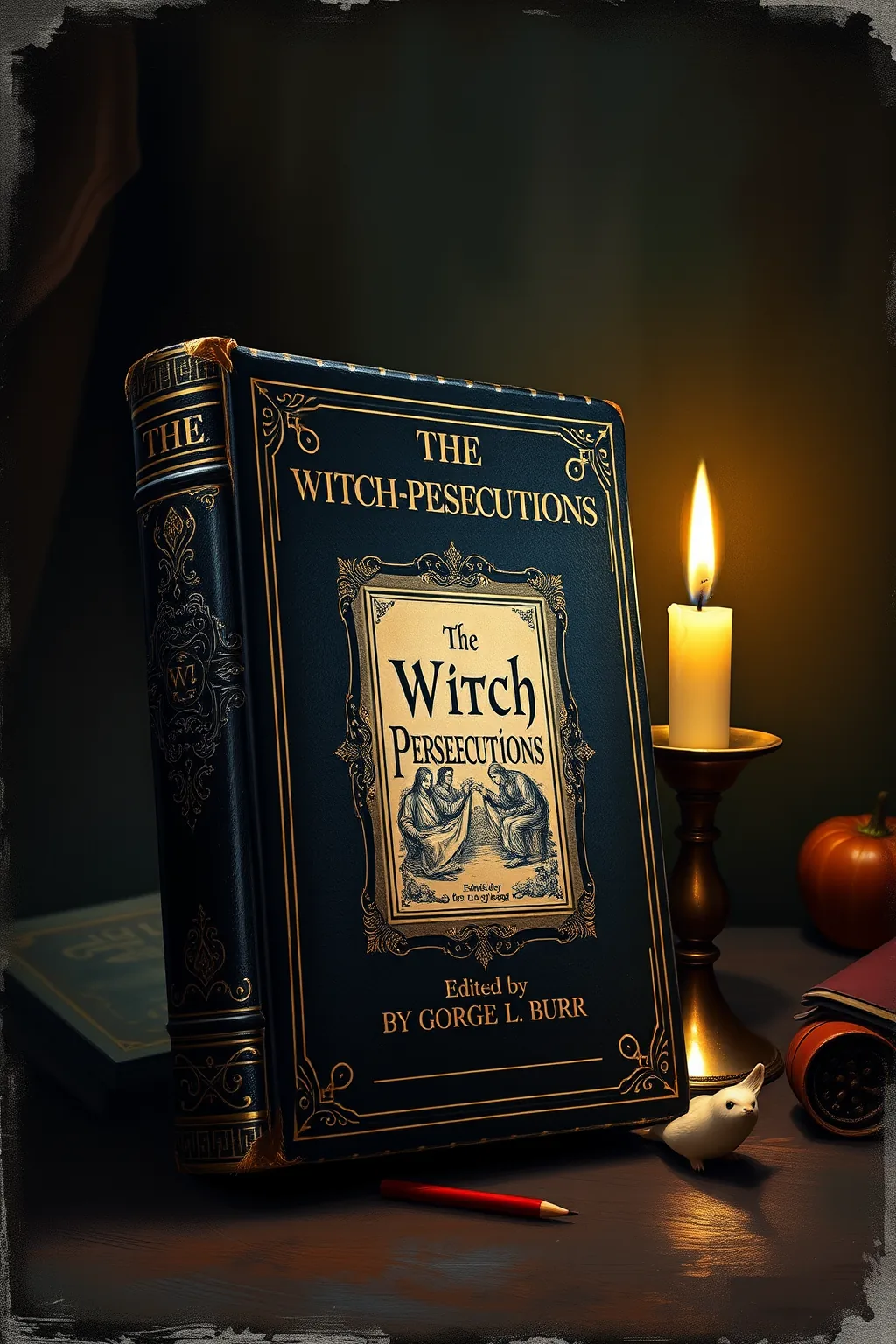
George L. Burr compiled primary documents detailing witch trials from the 15th to 18th centuries.
This collection gathers original documents pertaining to the witch persecutions that swept across Europe and colonial America. George L. Burr, the editor, focused on presenting the raw materials of these historical events. The volume includes trial records, confessions, accusations, and official decrees, offering a direct look at the legal and social mechanisms involved. By including these primary sources, Burr allows readers to encounter the language and mindset of the accusers and the accused without extensive modern commentary. The texts reveal the widespread fear, the justifications used for persecution, and the testimonies of individuals caught in these events.
The collection moves beyond simple historical accounts to show how collective anxieties and beliefs shaped societal actions. It highlights the power of fear in driving communal responses and the ways in which accusations of witchcraft could devastate individuals and communities. The documents reveal the complex interplay of religious fervor, social unrest, and psychological factors that fueled these periods of intense persecution. Readers encounter the stark reality of these historical episodes through the very words of those who lived through them.
While not a text of magical practices, this book situates itself within a tradition of understanding historical belief systems that intersected with the occult. The documents reveal the societal framework within which beliefs about witchcraft, demonic influence, and forbidden knowledge operated. It demonstrates how anxieties about these forces were codified into legal systems and fueled widespread social action. The book provides the primary evidence for understanding the historical manifestations of what might be considered esoteric beliefs regarding pacts with dark powers and the manipulation of unseen forces.
💡 Why Read This Book?
Uncover the raw, unvarnished truth of historical witch hunts through direct primary source documents. This book is essential for scholars, practitioners, and seekers who wish to understand the psychological and societal roots of paranoia, fear, and accusations of witchcraft. Gain unparalleled insight into the cascading fear that defined these dark eras, offering a foundational understanding of the phenomenon beyond modern interpretation.
⭐ Reader Reviews
Honest opinions from readers who have explored this book.
❓ Frequently Asked Questions
What is the primary focus of 'The Witch-Persecutions'?
The book's primary focus is to present a collection of primary source documents from the historical witch persecutions, offering direct evidence of accusations, trials, and societal reactions without extensive modern analysis.
Who is the intended audience for this book?
The intended audience includes historians, scholars of witchcraft and paganism, occult practitioners, and anyone interested in the psychological and sociological aspects of historical persecution and mass hysteria.
Does the book offer an interpretation of the witch phenomenon?
The book itself, as a collection of primary sources, does not offer a singular interpretation. It presents the evidence for readers to analyze, though the original notes suggest early 20th-century views often attributed phenomena to clerical abuse and mass insanity.
What historical period does the book cover?
The book compiles primary sources related to witch persecutions that occurred over several centuries, predominantly focusing on the period from the late medieval era through the early modern period in Europe.
Is this book suitable for beginners interested in witchcraft?
While invaluable for its historical accuracy, the graphic nature of some documents might be challenging for absolute beginners. It's best suited for those with a serious academic or spiritual interest in the historical context of witchcraft.
🔮 Key Themes & Symbolism
The Anatomy of Accusation
This theme looks at the intricate mechanics of how accusations of witchcraft were initiated and propagated. It examines the societal pressures, personal vendettas, and the role of rumor and fear in creating a climate ripe for persecution. The texts reveal the subtle and overt methods used to identify, isolate, and condemn individuals, highlighting the psychological manipulation and the breakdown of community trust that often characterized these dark periods. It’s an exploration into the genesis of mass hysteria and the weaponization of suspicion.
Traces of the Unseen Realm
Within these documents lie fragmented glimpses into the perceived influence of the supernatural. The 'witch' was often seen as a conduit to forbidden powers, a transgressor of divine law, and a participant in shadowy rituals. This theme explores how societal anxieties about the unknown, the demonic, and the occult were projected onto accused individuals. It examines the symbolic language used to describe witchcraft, from pacts with the devil to the manipulation of natural forces, reflecting a deep-seated human fascination with and terror of powers beyond ordinary comprehension.
Cascading Paranoia and Societal Fracture
The core of this theme is the relentless, self-perpetuating cycle of fear that defined the witch hunts. The documents illustrate how initial accusations and punishments could ignite widespread panic, leading to further accusations, often based on flimsy evidence or coerced confessions. This theme explores the societal breakdown that occurred as trust eroded and neighbors turned against each other, driven by a collective delusion. It is a stark examination of how fear can warp judgment and lead entire communities down a path of destructive irrationality.
💬 Memorable Quotes
Direct passages from the work, attributed to the author.
“The shadow of the pyre fell long across the land.”
— This evocative phrase captures the pervasive and enduring fear associated with the witch trials, suggesting a widespread and lasting impact on the collective psyche.
“Whispers became shouts, and shouts became condemnation.”
— Illustrates the rapid escalation from mere suspicion to formal accusation and punishment, highlighting the swiftness with which paranoia could take hold.
“The innocent were ensnared in the web of fear.”
— Emphasizes the tragic injustice of the witch hunts, where individuals, often without cause, fell victim to the pervasive climate of fear and suspicion.
“The devil's work was seen in every untoward event.”
— Reflects the tendency to attribute misfortune and inexplicable occurrences to supernatural malevolence, a common justification for persecution.
“Truth became a casualty of the hunt.”
— Highlights how the pursuit of perceived witches often led to the suppression of reason, justice, and factual evidence, prioritizing fear and dogma.
🌙 Esoteric Significance
Tradition
This compilation is foundational for understanding the historical manifestations of folk magic, ritualistic practices (often misconstrued or demonized), and the societal fear of the 'other' that intersects with many esoteric traditions. While not a grimoire itself, it provides the historical context for the persecution of individuals who may have been practitioners of nascent pagan revivals, healers, or those perceived to possess 'unnatural' knowledge, which are all themes resonant within modern witchcraft and Neo-Paganism.
Symbolism
The texts are rich with symbolism, albeit often demonized. Symbols of the pact with the devil, the mark of the witch, nocturnal gatherings, and the use of herbs and incantations represent a distorted view of natural forces, spiritual communion, and hidden knowledge. The persecution itself becomes a symbol of societal repression of the wild, the feminine, and the instinctual, themes that esoteric traditions often seek to reclaim and understand.
Modern Relevance
In a world still grappling with misinformation, scapegoating, and the demonization of marginalized groups, the lessons from 'The Witch-Persecutions' are starkly relevant. Understanding how mass hysteria and unfounded accusations can gain traction provides crucial insight into contemporary social and political dynamics. For modern practitioners of witchcraft and paganism, it offers a vital historical context, grounding their practices in the struggles and resilience of those who came before, and serving as a cautionary tale against fear-driven judgment.
👥 Who Should Read This Book
This collection is essential for serious students of history, particularly those focused on social, cultural, and religious history. Occult practitioners and Neo-Pagans will find it an invaluable primary source for understanding the historical persecution of their forebears and the societal fears that shaped their traditions. Academics seeking to deconstruct narratives of witchcraft and scholars of mass psychology will find it a rich, unadulterated resource. For the discerning seeker, it offers a profound and often unsettling look into the darker currents of human nature and belief systems, providing critical context for understanding the enduring power of fear and accusation.
📜 Historical Context
Compiled in the late 19th century, 'The Witch-Persecutions' emerges from an era of burgeoning historical scholarship, yet it stands as a evidence of pre-modern interpretations of the phenomenon. Written before the widespread influence of anthropological and psychological theories that later sought to explain witchcraft beliefs, this collection prioritizes raw evidence. The late Victorian period was grappling with its own societal anxieties and a renewed interest in the darker aspects of human history. This volume reflects a desire to document, rather than deeply analyze, the events, providing a foundation of primary texts that would later be scrutinized and reinterpreted by scholars like Margaret Murray and subsequent generations. It offers a direct portal into the minds and records of those who lived through and perpetuated these intense periods of persecution, allowing for a visceral understanding of the historical forces at play.
📔 Journal Prompts
Reflect on the recurring patterns of accusation in the texts. How do these patterns echo in contemporary societal conflicts?
Consider the role of fear and belief in shaping the narrative of the witch. How might personal beliefs influence the perception of 'truth'?
Analyze the language used to describe the accused. What does this linguistic framing reveal about the mindset of the accusers and the society?
Imagine you are a chronicler in one of these eras. What ethical considerations would you face in documenting these events?
How does the historical persecution of witches inform our understanding of the concept of 'othering' in modern society?
🗂️ Glossary
Inquisition
A period and institution within the Catholic Church historically established to combat heresy. In the context of witch trials, it often involved rigorous interrogation and prosecution of those accused of witchcraft.
Confession
A statement admitting guilt, often extracted under duress or torture during witch trials. These 'confessions' were frequently unreliable but served as key evidence for conviction.
Demonic Pact
The belief that a witch entered into a formal agreement with the Devil, exchanging their soul for supernatural powers or knowledge. This was a central accusation in many trials.
Folk Magic
Traditional practices and beliefs concerning the use of supernatural means to achieve desired outcomes, often involving healing, protection, or divination. These practices were frequently conflated with demonic witchcraft.
Witch Mark
A perceived physical mark on the body of an accused witch, believed to be a sign of their pact with the Devil or a place where demons could suckle. Its identification was often subjective.
This book appears in 2 collections
🔮 Readers Also Liked
Browse all →








From the “Witchcraft” Collection
View all →

![John Todd [Illuminati And Witchcraft Exposed].pdf (PDFy mirror)](/img/thumb/john-todd-illuminati-and-witchcraft-exposed-pdf-pdfy-mirror.webp)


More Free Witchcraft & Paganism Books
View all →